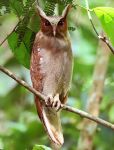
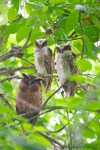
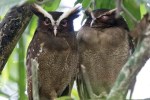
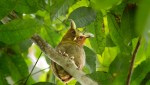
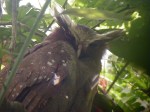
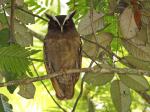
The crested owl (Lophostrix cristata) is a species of owl in the family Strigidae. It is the only species (monotypic) in the genus Lophostrix. It is a resident bird and occurs in Central America and northern South America. It is a medium sized owl, easily recognizable with its very long whitish ear tufts and otherwise darker appearance. They inhabit lowland rainforests and prefer old growth in proximity with water. The crested owl is a strictly nocturnal species, but very little is known on its behavior.
I’m guessing the dark face/crest areas serve to hide their eyes and make them less obvious to anything on the lookout for owls. Mostly it’s just made them absolutely gorgeous.
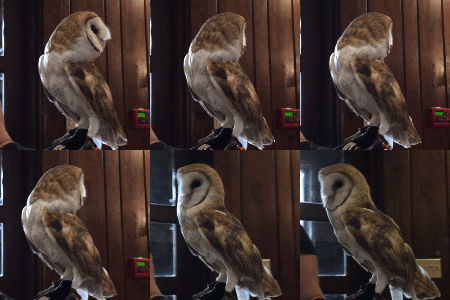
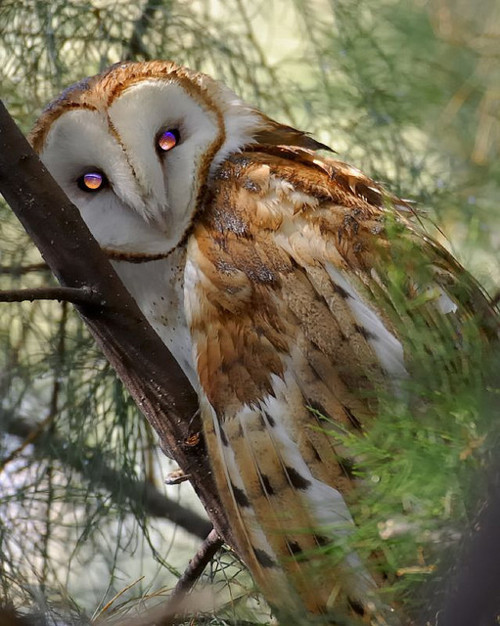
Barn Owls are THE BEST. They are in a separate family from all other North American owls, and instead of whoo hoooting they do the TV STATIC SCREAM FROM YOUR NIGHTMARES.
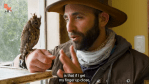
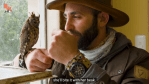
Gotta love the raptor presentations at the state parks! This was at Lockhart State Park tonight at our Master Naturalist meeting. These presenters rehabilitate injured birds of prey through Austin Wildlife Rescue (austinwildliferescue.org), an organization that always NEEDS VOLUNTEERS to help out with the adorable baby animals. If you’re in Central Texas, check them out!
June 18, 2018
The barn owls are members of the family “tytonidae” while every other owl species is a member of the “strigadae” family.
While we typically think of owls like the one in the original post as being barn owls, every species in the family can technically be considered a barn owl.
This includes the various species of masked owls which are relatively similar to your common barn owl
As well as both varieties of sooty owl which are strikingly different than the common barn owl
There are also the grass owls which are behaviorally different than other barn owls in their habits of living on the ground rather than trees
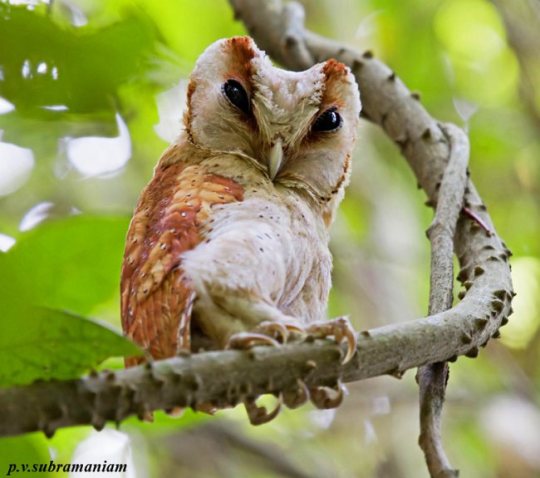
And the two odd tytos out, the red owl and ashy faced owl respectively. Scientists know almost nothing about the former and no individuals have been kept in captivity despite being discovered quite some time ago. Even photographs of it are rare, but it appears to be an orange barn owl with a pink face.
Structurally speaking, barn owls actually have very few traits in common with strigadae owls as their face and beak shapes and proportions are entirely different. There are also differences in their legs and talons, while their similarities are limited to feather composition, ear placement, spinal structure, and binocular vision among a few other internal components.
That being said, barn owls are far from the only family of non-hooting owls as hooting is almost exclusive to larger species, typically genus Strix or bubo. Many other species will trill, screech, and/or hiss.
Barn owls are rather unique in having an incredibly keen sense of hearing, even in comparison to other owls. They can hear and discern between different heartbeats and triangulate the sound perfectly due to their satellite dish-like face shape.
In addition, this barn owl is not actually Tyto alba, it’s a Tyto furcuta, T. alba is the species native to Western Europe while T. furcuta is native to North America.
Many thanks for this owlditional quality content. I give three screams of approval 👍
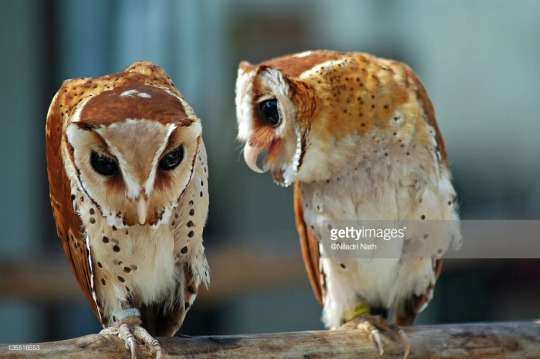
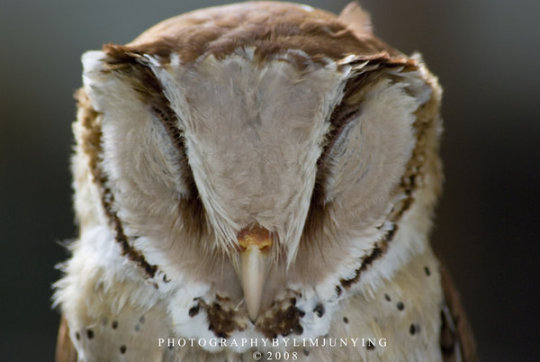
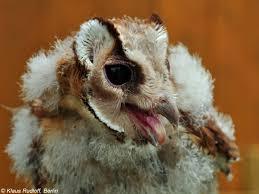
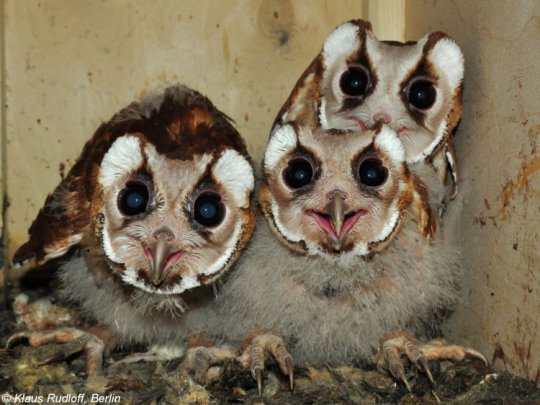
bay owls (genus Phodilus) are in Tytonidae and they are some of my favorite owls of all time. they can be found in Southeast Asia, and some sites claim central Africa as well but I’m not sure?
they can shut their eyes and look eyeless
OR OPEN THEIR EYES WIDE THIS AND LOOK LIKE DEMONS
did I mention they have the best judgemental faces because of their eye positioning
and babies look like tiny demonic gryphons
last I went looking, not a lot is known about bay owl behavior aside from general Tyto habits. I just know they’re so out there appearance-wise and I love them so much for it.
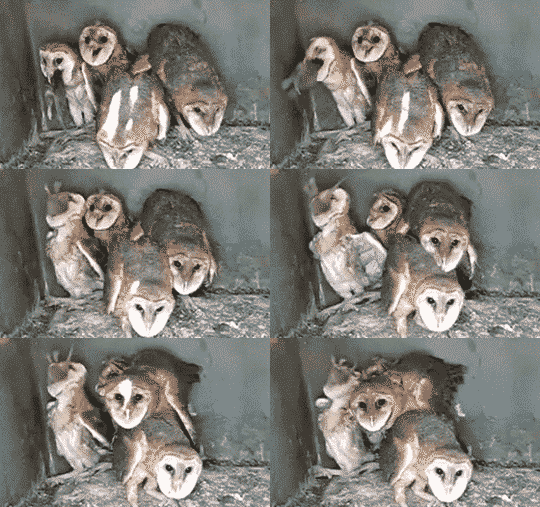
Owls confirmed to be the creepiest birds ever. LOOK AT THE FUCKING THINGS. If you fail to notice the one on the left fucking SWALLOWING a rat, then you have the dude singing some satanic chant or something next to him, and then you have those two other fucking psychos synchronized to make you feel creeped the fuck out with their soulless dance of FUCKING DOOM.
I really am tempted to reblog this every time it’s on my dash. That description is one of the best things on the internet.
Yeahhhh, I want this on my blog again.
OMG MY FAVORITE TUMBLR POST EVER IT’S FINALLY BACK YAY!
Here, have another of my all-time favorite Tumblr posts.
We were just discussing this again and I had to reblog it again because IT IS MY FAVORITE
I’m permanently traumatized that you introduced me to this over lunch, EGT.
::bows with a flourish::
There’s a gif out there of some people reenacting this that makes me laugh til I puke every damn time.
This month I’m in North Dakota banding Northern Saw-whet Owls.
1.
The owls make this face the entire time you’re handling them. Plus a bit of bill-snapping.
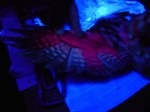
2. That pink pigment, porphyrin, fluoresces under a blacklight. We use it to determine the age of the bird. A bird born in 2018 (a hatch-year, or HY) will have uniformly colored feathers. A bird born in 2017 (a second-year, or SY) molts the inner primaries and secondaries (the large flight feathers in the middle) in one solid block. This bird has an interesting pattern. We aged her as an After Second-year (ASY) because she has a mix of feather age classes.
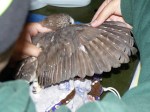
3. Here’s her wing viewed from above in normal light. I’m looking through the flight feathers to see the molt limit. If you look closely, you can see some feathers are light brown and others are darker.
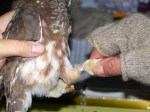
4. Here’s her band. Saw-whets have a lot of fluff all the way to the foot, so the band reveals the true size of her leg. Check out those talons!
We turn out the lights and let them readjust to darkness before release. Then it’s back to check the nets again.
Owl banding stations like this one, arranged in a network across the US and Canada, give us a sense of how the population is doing. NSWOs go through a boom-and-bust population cycle. So in some years, hundreds of birds are banded and most are HY, meaning the population structure is skewed towards juveniles. This year my station has only caught 10 birds, and only one of them has been a HY. Most are SY. What does that suggest about this population?


















 BettSplendens Tumblr Evac