I kept on hearing high-pitched screaming and squeaking tonight. Finally, after careful contemplation, I realized it’s the time of year when the raccoons come up from the forests.
You can tell when they tire themselves out yelling at the garbage cans, because they start to sound like squeaky Radio Flyers moving sporadically in the distance.
Edit to add: now they’re lackadaisically wolf-whistling. Raccoons are ridiculous animals.
We had a raccoon pull some loose stacked bricks aside, go under our house and get lost. A lot of screaming happened from under the floor. Sounded like the monkey version of a banshee having a panic attack. It found its way out eventually.
We had to use a lot more loose bricks and rocks to hide the raccoon entrance, they kept going under, finding the hollow walls (old house, no insulation), and climbing up into the attic to wander around, push stuff everywhere, and be noisy.
They are ridiculous little animals with strange hands and even stranger voices. I love them.
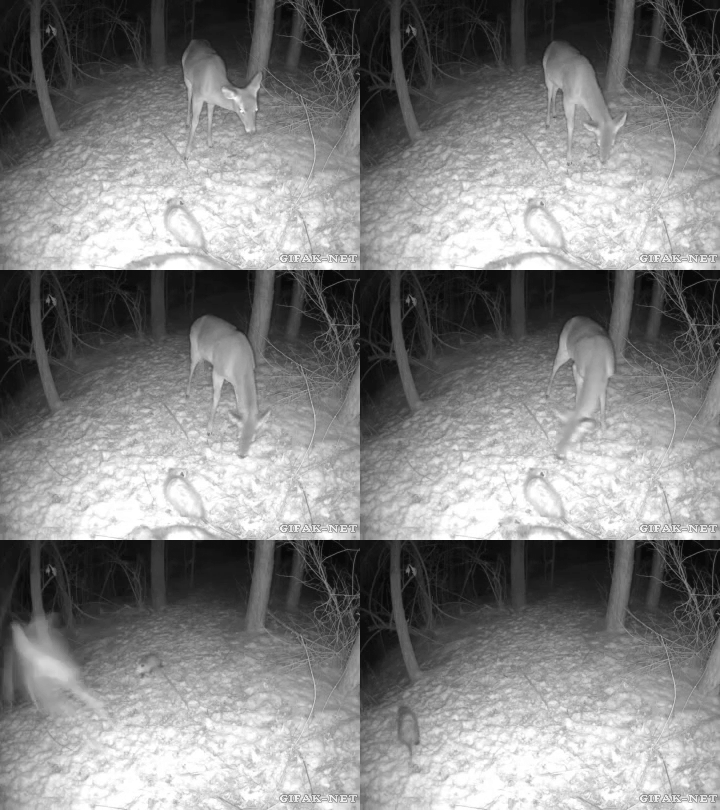
Of all a deer’s senses, their eyesight is the worst.
IT DOESN’T HELP THAT THOSE ARE POSSUMS WHO ALSO HAVE TERRIBLE EYESIGHT. XD SO BOTH CREATURES DIDN’T REALIZE WHAT WAS WHAT UNTIL THE LAST MINUTE I’M DYING.
everyone in this forest is so confused and I love them
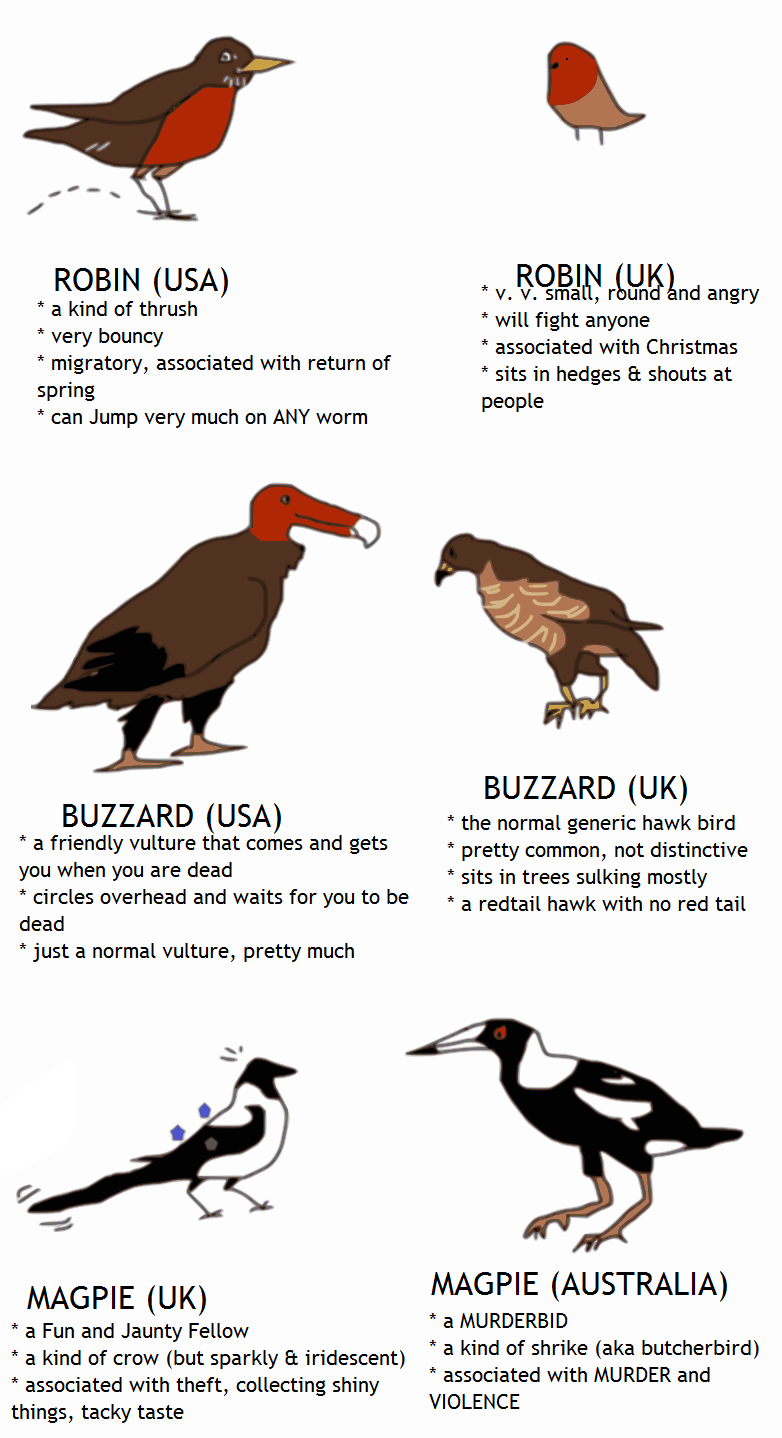
I felt like I needed to clarify some things before we could continue any more conversations on this godforsaken website.
I’m very proud of the European Robin, I think I really captured it.
ALSO A DADDY LONG LEGS is different in the UK vs USA. I learned that by arguing with some Brits because they said there was a daddy long legs on the wall, i looked and only saw an insect, argued with them all for 45 minutes until we all looked it up and saw that we were both correct.
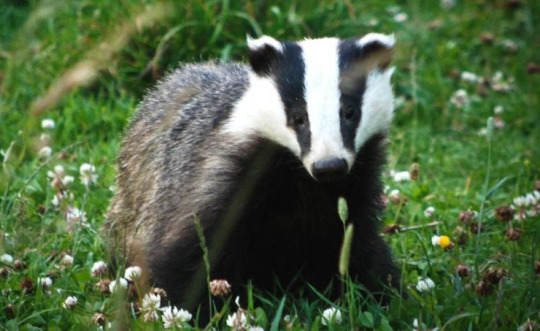
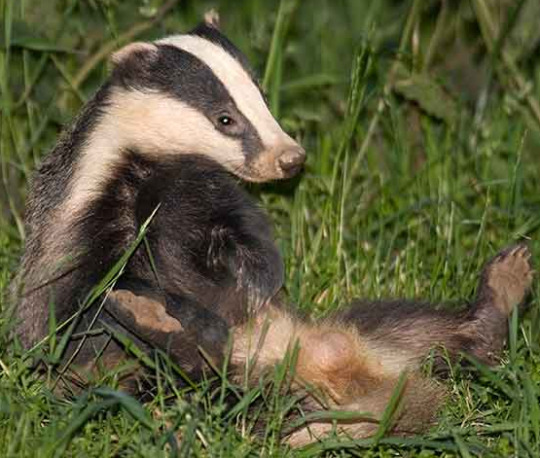
British badger: jovial fellow, eats toast and jam. Might invite you in for a cuppa with the Mrs. Agricultural nuisance.
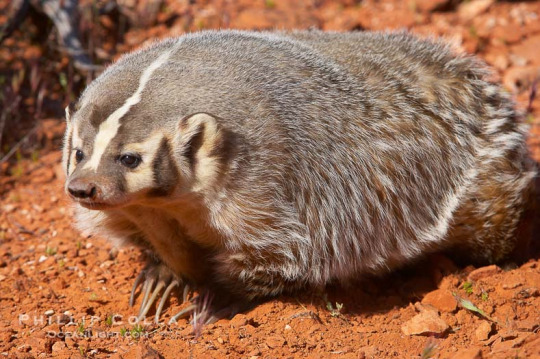
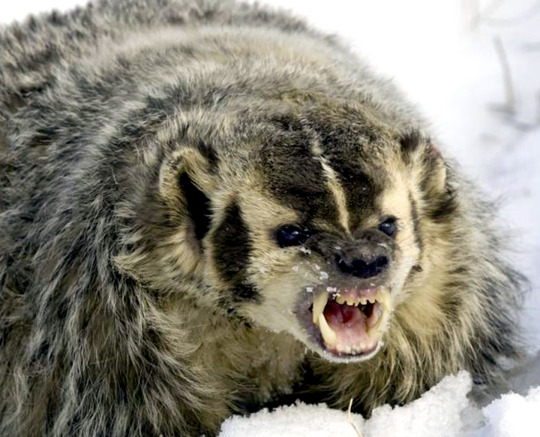
American badger: pallas cat of a wolverine. Very defensive. Fuck immediately off.
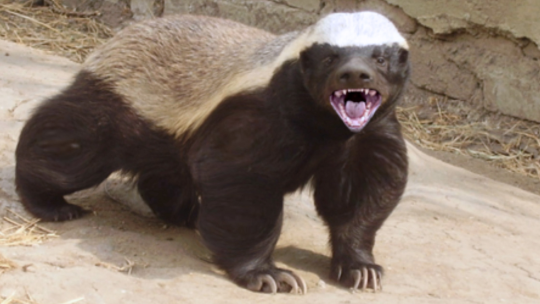
Bonus African badger: Silverback gorilla of mustelids. Should be a cryptid. Bro, don’t even. You are nothing to him.
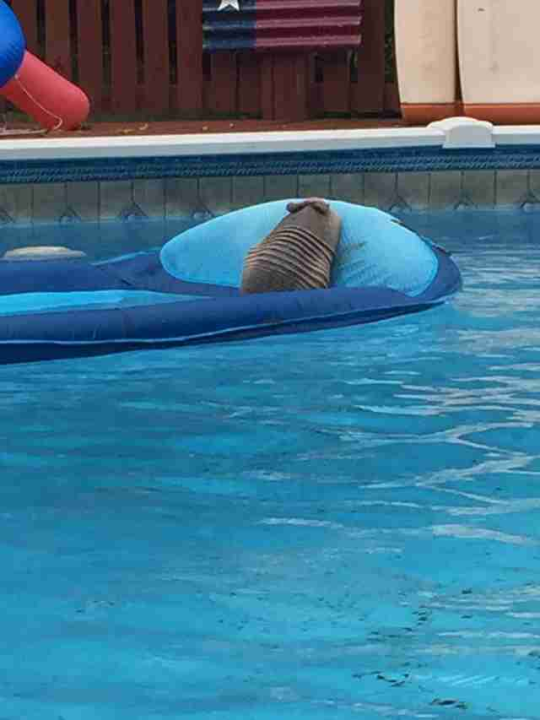
thinking about life & its twists and turns today……a lot for an armadillo to deal with but i’ll be okay………….
In case anyone was worried about this little guy
Thank you, I was 😀
armadillo, born and raised in the desert for years without seeing a large body of water: *sees a pool* ohhhhh fuck yeag im goin in that big puddle baby
of course they cant swim -_- .. they have been born and raised in a DESERT. not water it aint no fishhh you should save other armadillos i think they are murdering them for something i forgot what but they would murder them. for something like food? or value
i’m not sure what you’re trying to say with your last few sentences, but brokenblackcatskulls is not lying or relaying false info.
the nine banded armadillo is very much an excellent swimmer that can hold its breath for up to 6 minutes because its ancestors came from tropical areas in South America and they often had to cross bodies of waters.
while we often see them depicted in the desert, it should be noted that they do not inhabit barren stretches of sand, but regions that experience rainfall and have vegatation. prolonged drought kills them.
their presence in Texas—where these pictures were taken—is actually fairly recent, occuring over only the past few hundred years, and largely due to human intervention. people used to keep them as both exotic pets and sources of food before they either escaped or were released into the wild and established a population. they are technically an invasive species.
The vast majority of mammals can swim, the exception being a few great apes. Many things that are not fish can swim. Nine-banded armadillos like the one above are actually very athletic little creatures, they run like jackrabbits. They more often live in scrubland or forests, and need to regularly drink water to stay alive.
Also, there is water in the desert, including pools of it. We call that an oasis and/or a vernal pool.
According to a new genetic analysis, his dad was a
rough-toothed dolphin and his mum was a melon-headed whale – the first
ever known hybrid of its kind.
Lovely large ladies on the alpine mintbush! Both these insects are big, for bugs, and both are flightless, flashy coloured, and female.
On the right is the spotted mountain grasshopper (Monistria concinna), who’s delightful spots are an aposematic colouration warning of her toxicity. She’s grazing voraciously on the mintbush to build up weight before winter, where she won’t die like other alpine insects but rather, she will freeze solid, awaiting the thaw of spring to live and eat another year!
On the left, the flagship species of my lab, the mountain katydid (Acripeza reticulata), doing her deimatic display. She has lifted her wing cases to reveal her colourful, curled abdomen covered in foul tasting secretions, as well as inflating her orange throat patches. She too is eating the mintbush, possibly to sequester the toxins in its leaves for her defense, like the grasshopper does.
These gorgeous girls are but a small part of the fantastic array of Australian alpine invertebrates that make fieldwork a real treat.












 BettSplendens Tumblr Evac