Hummingbirds are incredible acrobatic fliers, capable of hovering for more than 30 seconds at a time, even in windy conditions. Their feeding habits are equally impressive. Many species of hummingbirds have a forked tongue, each half of which curls over like a partial straw. As the bird extends its tongue, its beak compresses the space inside the tongue’s curls. Once in the nectar, both halves of the tongue re-expand, pulling liquid in along the full length of the tongue. For the birds, this is a much faster technique than simply sucking the nectar up like a straw. Hummingbirds can lick nectar more than ten times a second this way. For more gorgeous imagery of hummingbirds, be sure to check out National Geographic’s full feature. (Image credit: A. Varma, source; via Aarthi S.)
Bluestreak wrasses can also remember if the most recent interaction with
one of its hundred-plus clients was positive or negative. If it
previously mistreated a valuable customer —a big fish with lots of
parasites, for example — the wrasse will offer an apology in the form of a more pleasant cleaning with an added fin ‘massage.’
Who knew some caterpillars can squeak?! Does anybody have an explanation?
Spiracles, AKA the breathing holes that most insects have on their sides. Some insects have slightly modified spiracles, which, when air is forced through them, produce sound. Hissing cockroaches are the most famous example, but it’s also a tactic found in some beetles and, as seen here, caterpillars.
It’s meant to startle a predator into dropping it, and is not actually an indicator of distress so much as a reaction to something that might be a predator. A more accurate translation of the squeaks would probably be “BUGGER OFF YOU FUCK”.
And let me tell you, it might not seem very startling here, but picking up a caterpillar and having it scream at you will definitely make you drop it. Source for that: me picking up a hornworm and learning that they can yell.
There are plenty of groups of organisms whose modern forms still look very similar to their relatives from many tens or hundreds of millions of years ago – so-called “living fossils”. Examples would include things like horseshoe
crabs, nautiluses, silverfish, scorpions, dragonflies, jellyfish,
hagfish, sharks, sturgeons, coelacanths, tuataras, crocodylians,
turtles, ferns, horsetails, redwoods, and mosses.
If something is already physically well-adapted to a stable ecological niche, and experiences
little environmental pressure to change, then they tend to stick with
the evolutionary equivalent of “if it ain’t broke, don’t fix it”.
As for a specific species, it’s actually really hard to tell for certain, especially
when it comes to fossils. We can label a fossil as being the “same”
species as a modern one based on physical appearance, but if we had a
living copy we might classify it very differently based on other factors
like genetics. (Plus there’s the problem that the entire concept of a biological “species” is really just a messy human construct with no clear consensus of definition.)
That said, under current species classification the tadpole shrimp Triops cancriformis doesn’t seem to have significantly changed for the last 200 million years, and some conifer trees like Araucaria araucana date back to similar ages.
But if we also include microbes here, then the clear winners are deep-sea sulfur-cycling bacteria. Modern ones are indistinguishable from fossils over 2 billion years old.
Even knowing they don’t want to eat people and that they’re asleep, because this is how they sleep, the idea of floating in an empty blue void with a bunch of a giant grey slab creatures just hovering around doing nothing is pleasingly frightening on a sort of primal existential level
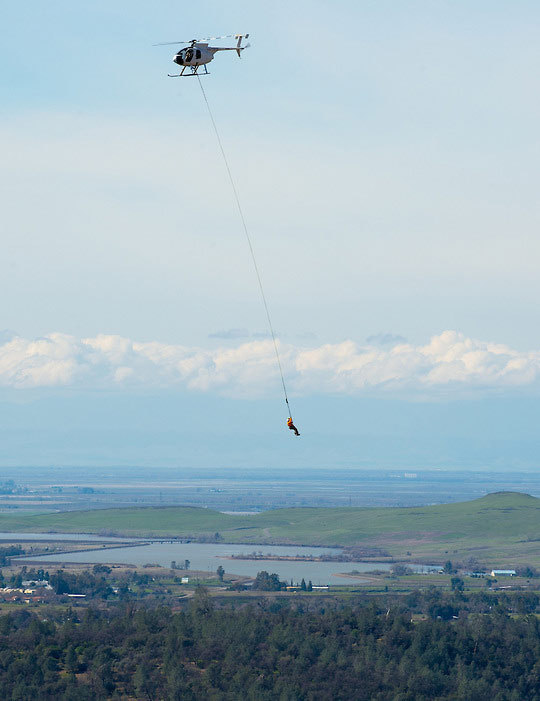
A helicopter carries away a person, likely mistaking them for a rock. Luckily, as is usual in these cases, they were later recovered unharmed… although a fair distance away from where they started.
[x]
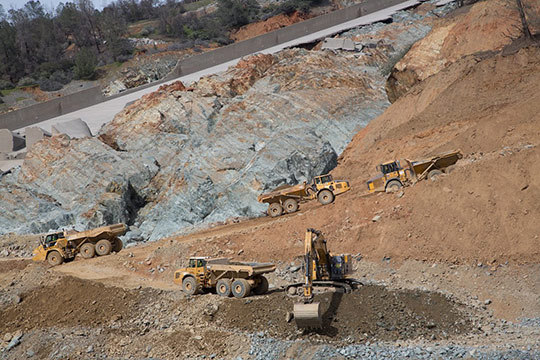
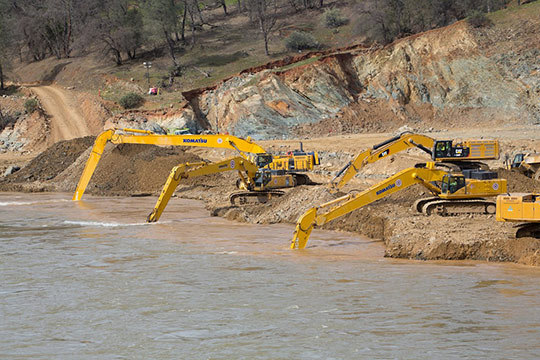
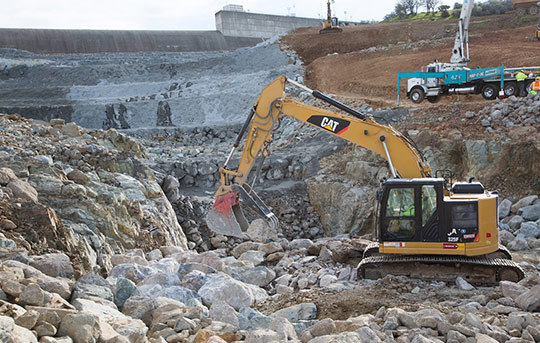
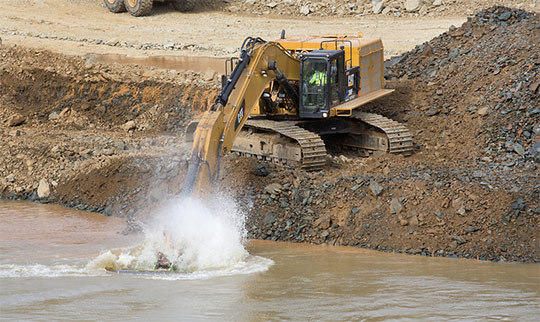
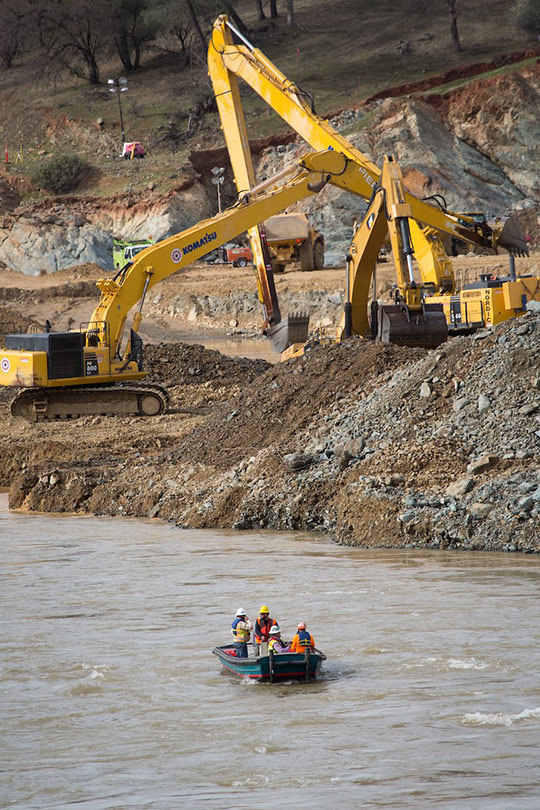
Also don’t miss out on this rare footage of excavators during mating season.


 BettSplendens Tumblr Evac