aaaaa I mean I primarily work on beetles for my research, so the natural choice would be Coleoptera for their incredible morphological and ecological diversity
(above: ant nest parasite beetles)
but we both know how insanely good neuropteran larvae are as well….
But there are so many good beasts in Hymeoptera, like dear sweet Megachile bees
or the ever-delightful Cephalotes ants
augh but i also feel the need to champion Diptera because of the general view of flies as boring nuisances
and you know, hemipterans are cool too
but yeah, gun to my head, i gotta go with Coleoptera. can’t beat the beetles
my fav thing in wildlife research is the concept of animals being “trap happy” meaning the same animal goes into a trap on purpose again and again after it’s caught the first time bc it was like “hey…..there was food in there and Zero (0) predators and then they just let me go in the morning…….”
on one hand it fucks up our data but on the other hand……..I Get It you Funky Little Rodents
if it were pouring rain on my walk home from work at night and I found a big metal box full of pizza and a bed where no one else could bother me and the only condition is that in the cold light of day I’d have to face a bunch of scientists weighing me and then letting me go on the sidewalk I’d probably end up in there a lot.
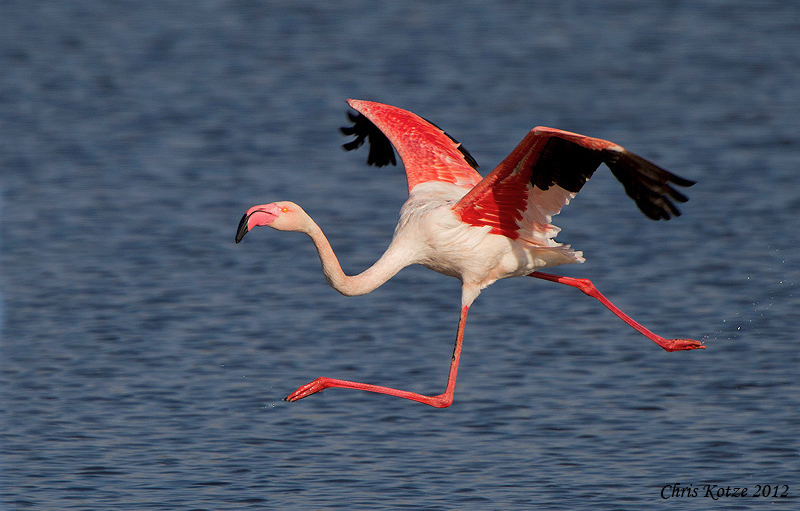
So I’m watching a Sir David Attenborough (Natural Curiousities on Netflix), to cope withe the crushing lonliness of solo housesitting, and he’s on about Really Weird animals and talks about the origins of the pheonix- a bird that people travelling though Africa only rarely saw shrouded in the streamy mists of volcanic soda lakes (which are literally boiling hot and also extremely caustic).
And all they’d see is the occasional bit of bright red plumage and see these things bobbing in and out of the horrible death clouds coming off the lake, and naturally came up with the myth of a firebird what the fuck ELSE would be living IN A GODDAMN VOLCANO??
The Central Africans told this to the Egyptians who told the Greeks* about this mysterious animal, and they ran hog-wild with it to create the now-famous Pheonix, but-
The bird they were seeing in those volcanic lakes?
*There is significant academic debate about who told who what when (esp as the firebird myth has cropped up multiple times and been culturally exchanged many, MANY times) but the Flamingo>Egyptian Bennu>Greek Pheonix>European Pheonix chain is fairly well agreed upon.
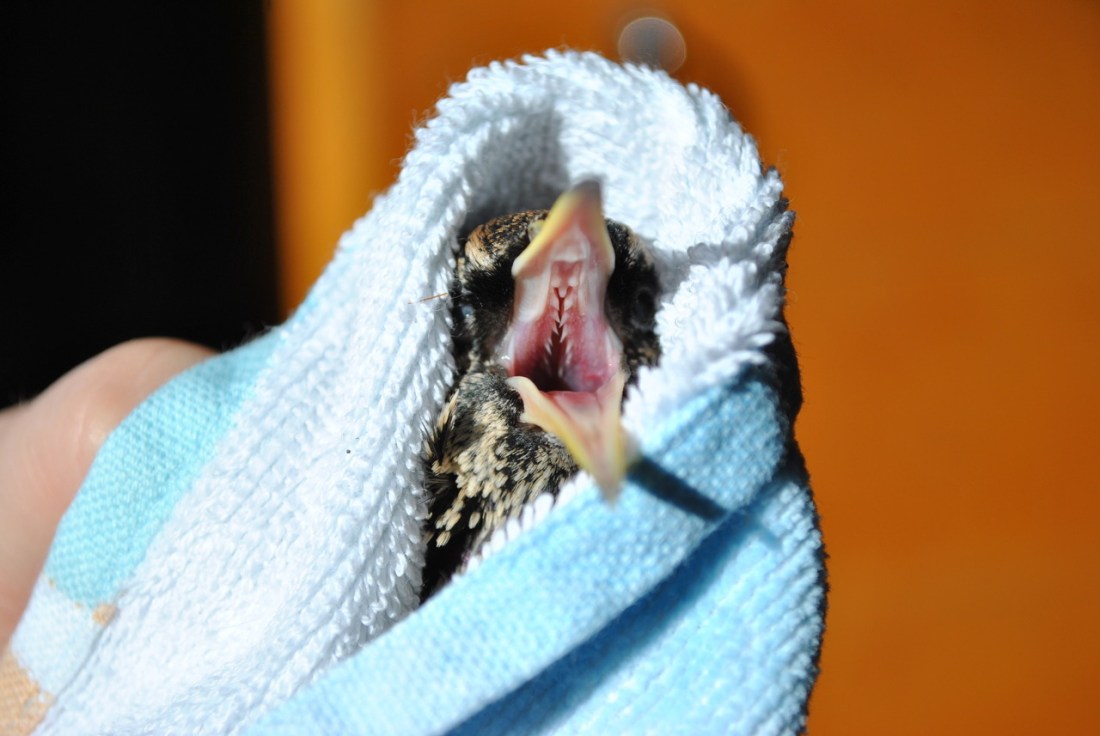
Shrikes kill mice by repeatedly biting the weak point at the base of their necks.
These guys are called butcherbirds because, in addition to THAT, they impale their dead prey (insects, lizards, small mice, etc) on thorns or barbed wire. This is partially to store it out of reach of thieves, partially so they can keep it on the thorn and pull it apart to more easily swallow it.
hot take: brace roots, where they occur, are one of the most terrifying plant organs. they just look too much like little squiggly arms seeking strength in the ground….like i think they’re weird and lovely but also im terrified
this species is called the ‘walking palm’
*shudders*
I’d never seen brace roots in person until I grew corn this year. It was a nightmarish heart attack to behold!
tbh i didn’t know about them either until I worked my first manual labor cornfield job and started looking down and noticing that my feet were mere INCHES from the alien arms slowly extending into the surrounding soil day after day and I was like ‘hey what the fuck’ and asked one of the breeders.
it’s one of those things about maize that you don’t notice until you really experience it up close. it’s an incredibly alien plant.
Walking palms move! They put down new roots on one side of the plant, and the old roots on the other side gradually die off. We can tell when their seeds arrived to Hawaii by measuring how far the plants are from the coastline. The first seeds grew plants and those plants moved inland a bit, then dropped seeds, and those seeds grew plants that moved further inward, and so on.
They can ‘walk’ out of garden beds, too. I’ve seen where they’ve done that, some roots planted inside the bed, new roots going into the ground outside the bed. They move to get to new, fertile soil or better light when they’re in less than optimal conditions. Ones that are in perfect conditions don’t move at all.








 BettSplendens Tumblr Evac