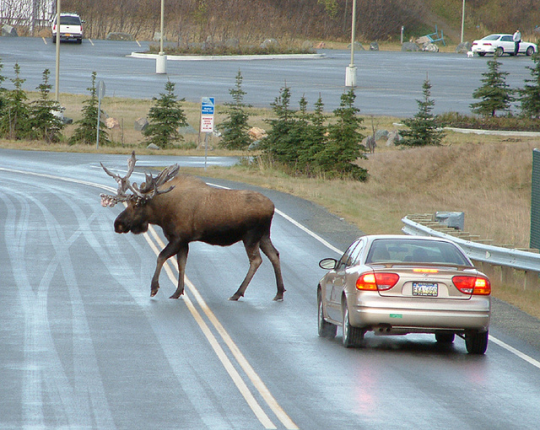
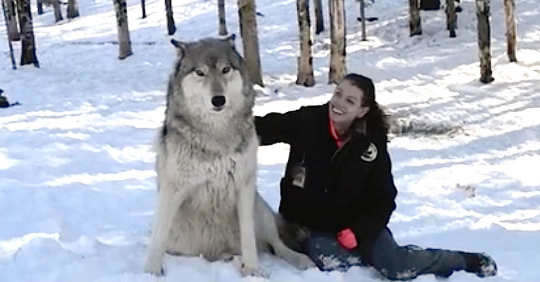
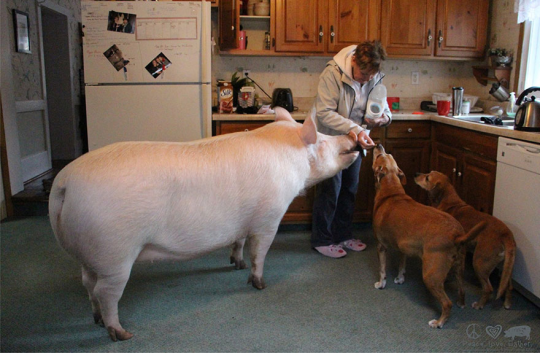
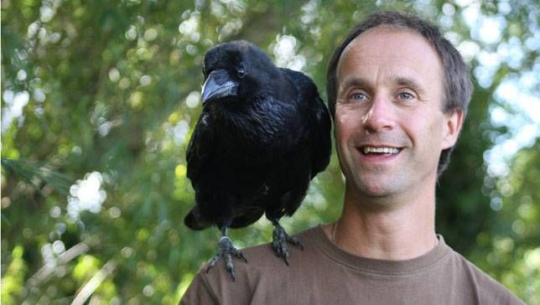
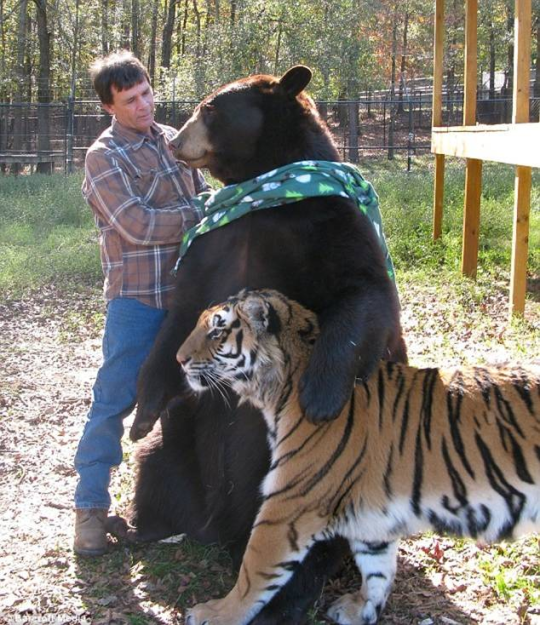
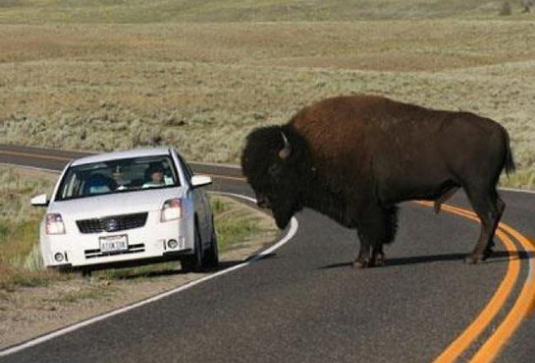
me at half the animals on the post: “BITCH THAT’S H U G E”
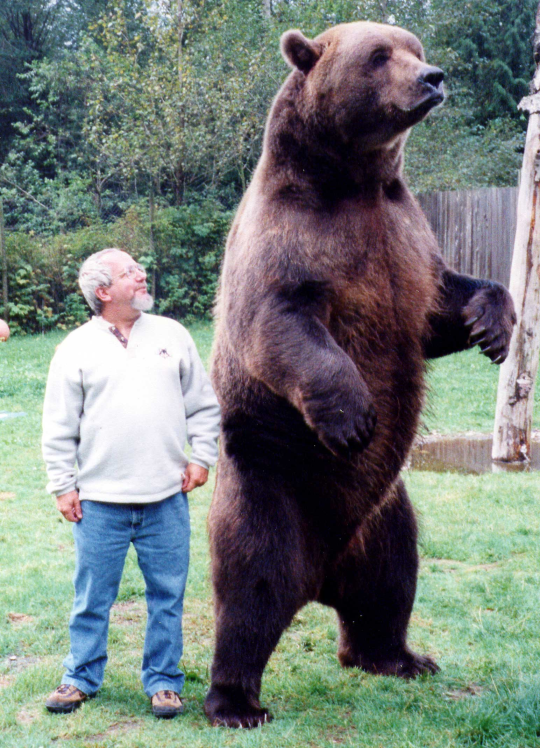
THAT COW IS A HORSE.
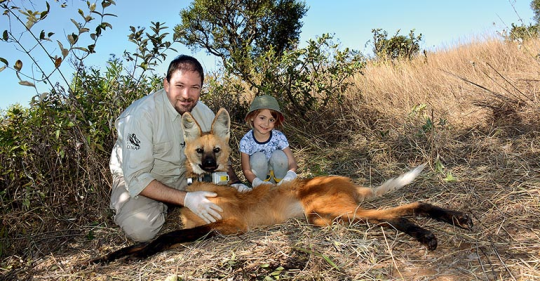
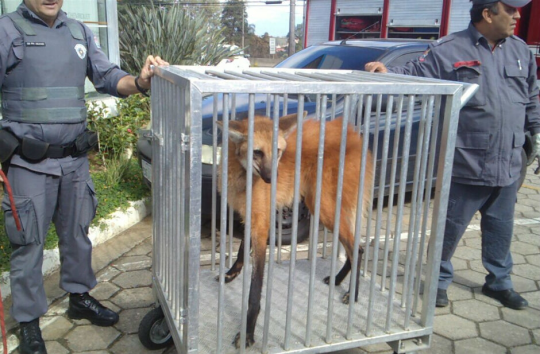
That first maned wolf is a model.
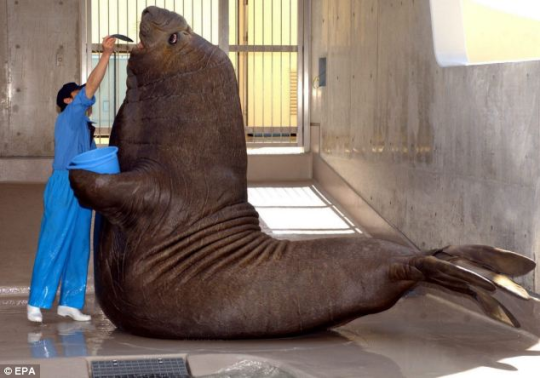
ayye, I love this but that’s not a Steller Sea Lion up there, that’s a Southern Elephant Seal.
THIS is a Steller Sea Lion (still fucking huge):
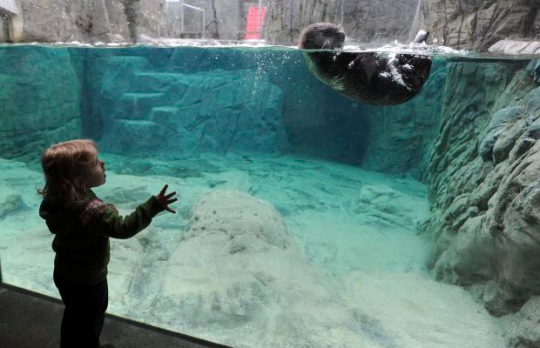
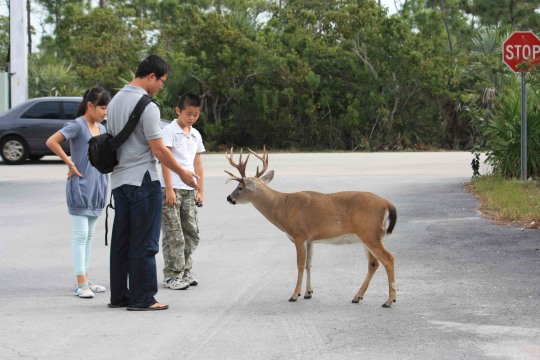
and that’s not a White-Tailed Deer, either. the one in the picture up top is a Key Deer, a smaller adorable subspecies native only to the Florida Keys.
THIS is a White-Tailed Deer:
thanks for your time
I always thought Fiat 500s looked weird and now I know why. They’re part of the seal family and not actually cars. It makes perfect sense, and this also means more people are opting for mounts instead of machines
WATCH: Rare corpse flower blooming at Tucson Botanical Gardens
TUCSON, AZ – For the first time in its history, Tucson Botanical Gardens has a blooming corpse flower.
The corpse flower, which gets its name from the “rotting flesh” odor it emits, is extremely rare and unpredictable.
“Corpse
flowers are considered rare in the world of botanic gardens,”
said Michelle Conklin, executive director of TBG. “There have been about
100 recorded cultivated corpse flowers around the world. The first
recorded flowering in the United States was at the New York Botanical
Gardens in 1937.”
The plants can take up to a decade to bloom for the first time and the bloom only lasts for 24-48 hours.
happy Friday everybody, it’s time for another installment of Weird Biology! and today, you’re going to learn about a goddamn dinosaur.
(yes, I know all birds are technically dinosaurs, but this one is… dinosaurier? dinosaurien? DINOSAURIEST than the rest)
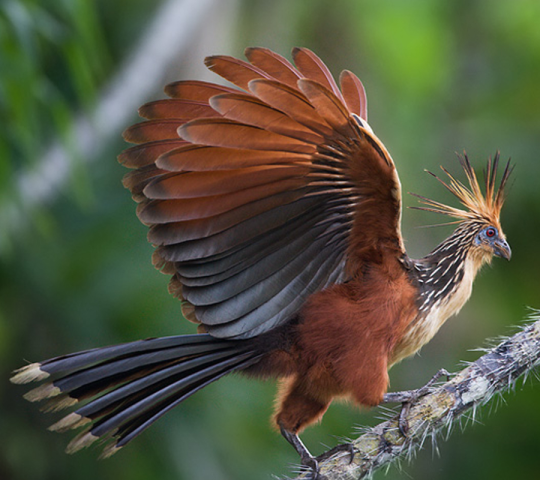
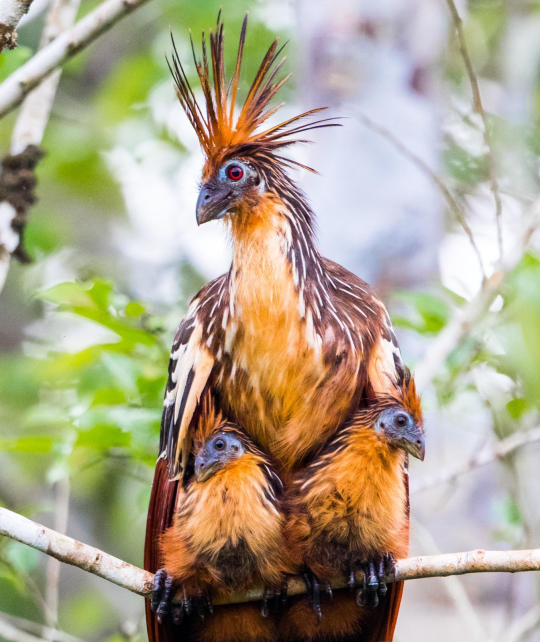
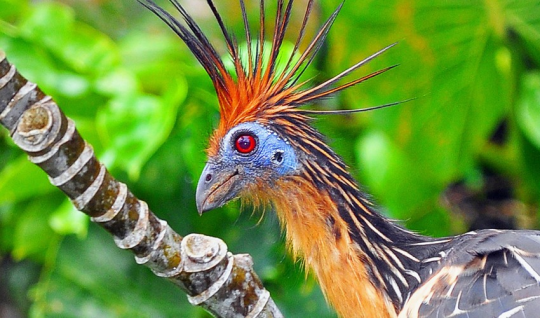
meet the Hoatzin, relic of ages past
*raptor screech*
the Hoatzin is the only member of the family Opisthocomidae, an ancient line of birds that branched off from the rest some 64 million years ago. this would have been just shortly after the event that murdered the shit out of all non-avian dinosaurs. to death.
Hoatzins are the very last survivors of this ancient line. (I wanted to make a joke here, but that’s actually really fucking tragic)
shit I made myself sad, MORE JOKES
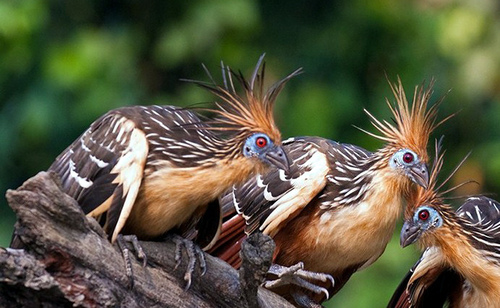
Hoatzins are common pheasant-sized birds that live in the riverside forests of South America, where they survive on a diet of *drumroll* leaves. yum.
seriously, they are one of exactly two known bird species to specialize in leaf-eating, having evolved past their shame trait some 30 million years ago. (the other one is the Kakapo, who mostly just seems confused)
Kakawho?
their love of delicious delicious leaves gives them a very… distinctive odor, shall we say. this is due to their fermentative digestive process. it has earned the Hoatzin the local name ‘Stinkybird”, which for any Hoatzins reading this, is really more of an affectionate nickname. honest.
but what truly sets Hoatzins apart, and proves their saurian nature, is this.
HOLY SHIT A DINOSAUR
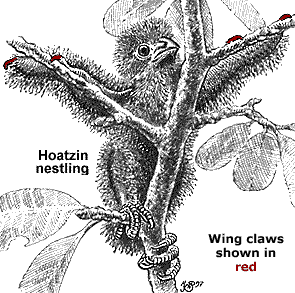
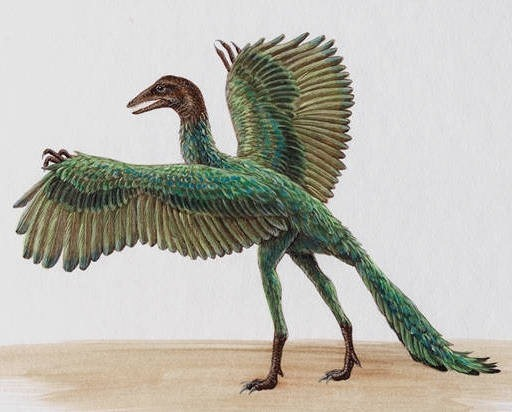
the hatchlings have fucking claws on their wings. remind you of anything? like maybe, oh I dunno, this guy?
HOLY SHIT A BIRD
Archaeopteryx up there bears a striking resemblance to our Hoatzin friend, which did not go unnoticed by the scientific community (who was actually paying attention this time, they swear). in fact, this uncanny resemblance helped finalize the theoretical link between dinosaurs and birds, which we now know are the same fucking thing. (more or less)
but anyway, the baby Hoatzins use those scientifically-groundbreaking claws to scramble around in trees and avoid predators. also apparently the claws just kind of… fall off?.. when the bird becomes an adult. like, imagine if your fingers all fell off at puberty, how weird would that be? jesus.
(Hoatzins definitely aren’t the only birds with wing claws, but DON’T TELL THEM THAT. they like to feel special.)
thankfully, it looks like these evolutionary weirdos will be with us for some time to come, as Hoatzins continue to be plentiful in their range. we hope they and those weird dinosaur claws stick around for a long, long time.
Thrips are tiny
insects, typically just a millimetre in length. Some are barely half
that size. If that’s how big the adults are, imagine how small a thrips’
egg must be. Now, consider that there are insects that lay their eggs inside the egg of a thrips.
That’s one of them in the image above – the wasp, Megaphragma mymaripenne. It’s pictured next to a Paramecium and an amoeba at the same scale.
Even though both these creatures are made up of a single cell, the wasp
– complete with eyes, brain, wings, muscles, guts and genitals – is
actually smaller. At just 200 micrometres (a fifth of a
millimetre), this wasp is the third smallest insect alive* and a miracle
of miniaturisation.
The wasp has several adaptations for life
at such a small scale. But the most impressive one of all has just been
discovered by Alexey Polilov from Lomonosov Moscow State University,
who has spent many years studying the world’s tiniest insects.
Polilov found that M.mymaripenne has one of the smallest
nervous systems of any insect, consisting of just 7,400 neurons. For
comparison, the common housefly has 340,000 and the honeybee has
850,000. And yet, with a hundred times fewer neurons, the wasp can fly,
search for food, and find the right places to lay its eggs.
On top of that Polilov found that over 95 per cent of the wasps’s
neurons don’t have a nucleus. The nucleus is the command centre of a
cell, the structure that sits in the middle and hoards a precious cache
of DNA. Without it, the neurons shouldn’t be able to replenish their
vital supply of proteins. They shouldn’t work. Until now, intact neurons
without a nucleus have never been described in the wild.
And yet, M.mymaripenne has thousands of them. As it changes
from a larva into an adult, it destroys the majority or its neural
nuclei until just a few hundred are left. The rest burst apart, saving
space inside the adult’s crowded head. But the wasp doesn’t seem to
suffer for this loss. As an adult, it lives for around five days, which
is actually longer than many other bigger wasps. As Zen Faulkes writes,
“It’s possible that the adult life span is short enough that the
nucleus can make all the proteins the neuron needs to function for five
days during the pupal stage.”
fun fact the west coast does not have cicadas so you can imagine my surprise when my LA ass moved to Philly for college when all the trees started screaming while they’ve been on fire plenty of times where I’m from they never screamed
i’m c r y i n g
like consciously i know biodiversity exists but i guess i just never considered the fact that some people don’t have the experience where you just wake up one day to all of nature fucking shrieking like hellspawn and you’re like “huh guess it’s that season!”
Trees, like animals, can also experience albinism, though it is extremely rare.
the reason it’s rare is because without chlorophyll, the plant can’t get energy, and dies shortly after sprouting unless it has some other source of food. so if you see a plant as big as the one in the picture that doesn’t have any green in its leaves, it’s getting its nutrition from the roots of a neighboring plant of the same species, feeding on the sugars created by the other plant’s photosynthesis.
albino plants are basically vampires.
thats metal af
That or the neighbouring plants are helping to keep it alive.
There has been research saying plants can share resources with one another, such as carbon and nitrogen, when one is deficient, so this plant likely has an abundance of mycorrhizal fungi on its root system that isn’t so much parasitizing from its neighbours as it is borrowing.
It’s not a vampire. It’s a disabled plant being supported by a community of healthy individuals who have more than enough nutrients to share.
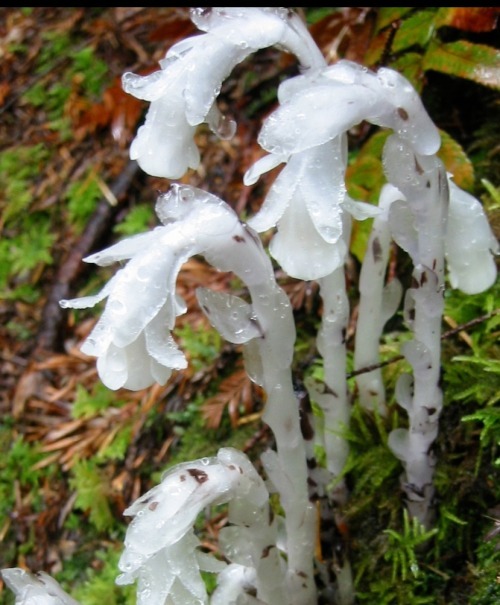
The real vampire plant is actually Indian Pipe, which lacks chlorophyll and sucks out nutrients from photosynthetic trees, meaning they can grow in dark places without much trouble. They look badass as well.
this is the coolest thing, because every plant is connected to every other plant by underground fungi! scientists now hypothesize that fungi actually evolved long before plants, so plant root systems evolved with fungi that were already in the soil. fungi aren’t just useful for the survival of plants, they are essential for the survival of most vascular plants! (vascular plants = those with root structures)
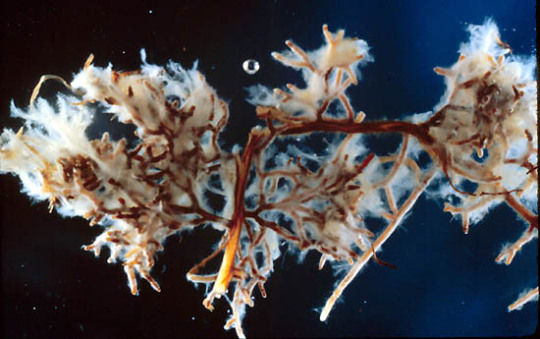
networks of fungi under the ground can cover miles and miles, and each fungus sends out very long branches, called hyphae. these hyphae can surround the root tips of a plant (these are called ectomycorrhizae, because ecto = outside, myco = fungus, rrhizae = root), which looks something like this:
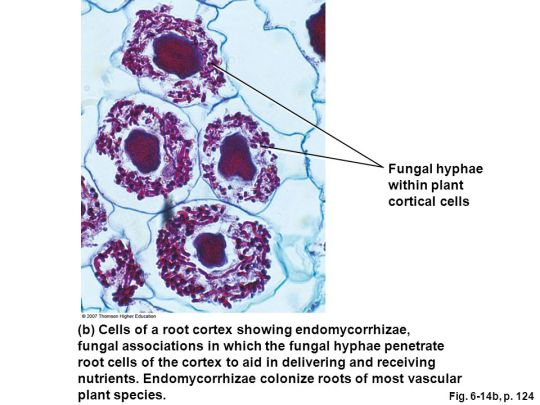
(picture source) alternatively, plant roots can be colonized by endomycorrhizae (endo = inside), which are WILD, because they essentially just bust through the plant cell walls and, like, chill directly inside of the root cells? like HI here we are we’re moving in now! that looks like this, on a cellular level:
(picture source) despite the occasional door-busting, this is a good, codependent relationship for both parties, because plants provide the fungi with sugars and energy, while fungal networks can grow even farther than plant root networks, so they transport essential nutrients to the plants as well as helping the roots to gather enough water. fungi are also the world’s greatest decomposers, and break down rotting organic material in the soil to increase the amount of carbon surrounding the root networks!
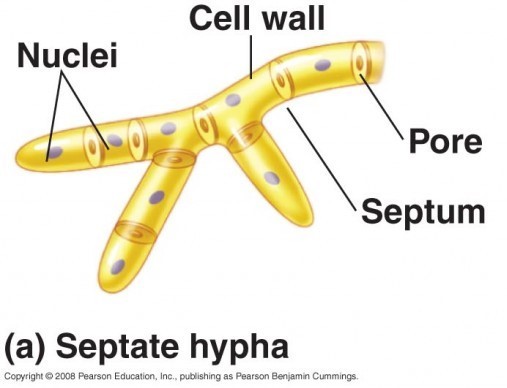
fungi are uniquely disposed to transport materials and to communicate over long distances because they have a supercool cellular structure! so fungal hyphae are only sort of composed of individual cells, but they’re cells with serious boundary issues. most species of fungi have septate hyphae (septum means boundary or partition), where individual cells have dividers between them, but these dividers have, like, GIGANTIC ass holes in them. the concept is kinda like this:
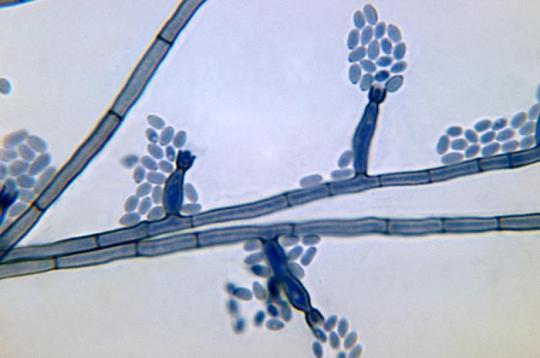
(picture source) these pores are so ENORMOUS that they can fit entire organelles through them! so one cell can just pass its entire nucleus or mitochondria through a pore to its neighbor, which is WILD! you can literally see these septa when you look at fungi under a microscope, like look at this beautiful bullshit!
(picture source) something like 90% of vascular land plants are colonized by mycorrhizae, so when you are standing outside, know that literally every plant around you, every blade of grass beneath you, is connected to every other plant by a vast network of fungal friends, roommates, and helpers! sometimes a SINGLE fungus will be connecting all of these plants to one another! ALL THE PLANTS ARE HOLDING HANDS.
there are these incredibly intimate, cooperative relationships going on beneath your feet that allow plants to help each other and communicate with one another (or compete with one another), and there is NO WAY that we would have enormous trees like we do without fungi to help them expand their reach and weather different soil conditions! the plants are talking to one another, y’all, and we’re the only ones who can’t hear them.




 BettSplendens Tumblr Evac