Lunate zale moth. I find the raised, crown-like layer on the thorax most interesting in this otherwise unremarkable species.
YES thank you! That is exactly why I love it. I couldn’t find any mention of that structure in any nature guides online so I will content myself with calling it a Mini Me Hat.
October 9, 2017: Meet some lovely fuzzy faterpillars, bring them inside to cuddle/pupate
Soon after: I come home and the enclosure is barren of faterpillars. I assume they escaped and the cats ate them and I vowed to never speak of them again
January 13, 2018: I discover a cocoon… in a purse… across the room from their enclosure…
March 20, 2018: It’s a boy 😭
Fun fact: in the 5th photo (of the pupa) you can see his old baby clothes. The pupa is on the *inside* of the caterpillar; they molt their old skin, the pupa is revealed, and it hardens and gets darker afterwards. Before pupating, moths will make cocoons out of any of a variety of materials depending on the species and personal preference. Hairy moths often spin cocoons with their hairs. When they are all safe and snug, they will pupate!
Xyleutes persona (or similar. Cossidae). One of the heaviest moths I’ve ever held..!
If you reblog this, please take care to tag it as “moth” and “insect”. I’d like to receive as few “kill it/stomp on it/light it on fire” comments as possible. Thanks! (also please be sensitive to the fact that entomology is enjoyed and pursued by people of all cultures and colors.
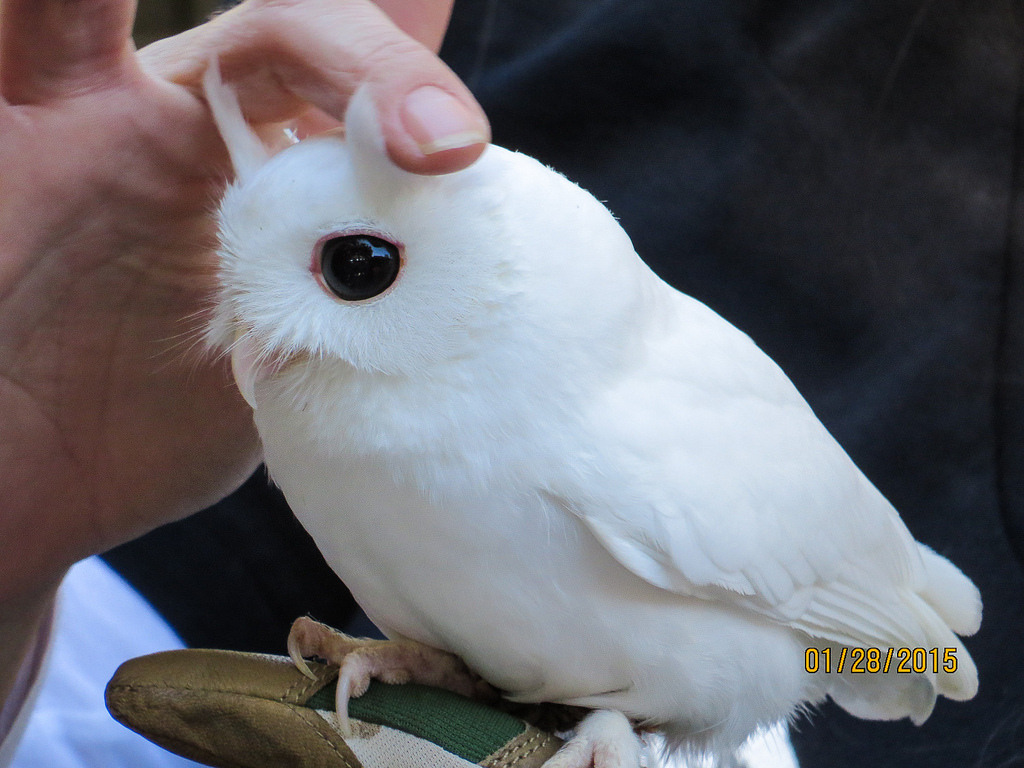
Leucism is a condition in which there is partial loss of pigmentation in an animal resulting in white, pale, or patchy coloration of the skin, hair, feathers, scales or cuticle, but not the eyes. Unlike albinism, it is caused by a reduction in multiple types of pigment, not just melanin.

 BettSplendens Tumblr Evac