This is neat. Vid says it’s two stallions meeting for the first time. Lots of dinosaur noises. Check out the bit at like 1:28 where they sync up intense pawing.
Looks like they’re getting to be friendly towards the end, pretty cute. The blacker one is apparently 4 and the guy with more white is 12. Seems about right lol
for anyone interested these are paso fino horses and this gait is natural! they are the smoothest ride with no bumpy movements. you could practically drink juice and not once would it spill on your face!
As I threatened to, I have drawn a 4D horse. A hyperhorse, if you will.
When it runs, its hooves appear to flicker in and out of existence, each retaining the same tensile strength of a regular horse hoof attached to a regular horse leg, no matter how thin or small they are. In the hyperhorse’s vast and unknowable eyes, our bodies are like a sheet of paper, trapped within a single measly slice of 4D space like a specimen on a microscope slide.
The Arctic Fox Research Center in Iceland put cameras in some bird colonies to see if foxes were stealing eggs/chicks
and turns out the foxes were UNJUSTLY ACCUSED
the culprits were horses
HEY THIS IS BAD
My grandfather grew up on a farm in Kansas during the Dust Bowl. He and his brother shared a horse named Patches, which they rode to school each day. Despite being poor as shit and not having quite enough to feed their animals, his family noticed that this horse looked great. His coat was unusually glossy and beautiful all of a sudden – he looked healthier than they did.
The mystery was solved when my grandfather went into the chicken coop to collect eggs, and saw Patches lifting the window cover, pushing his muzzle underneath the hens, and eating the eggs right out of their nests.
Horses are strange, terrible things that are just barely short of being evolutionary failures but somehow work really well nonetheless.
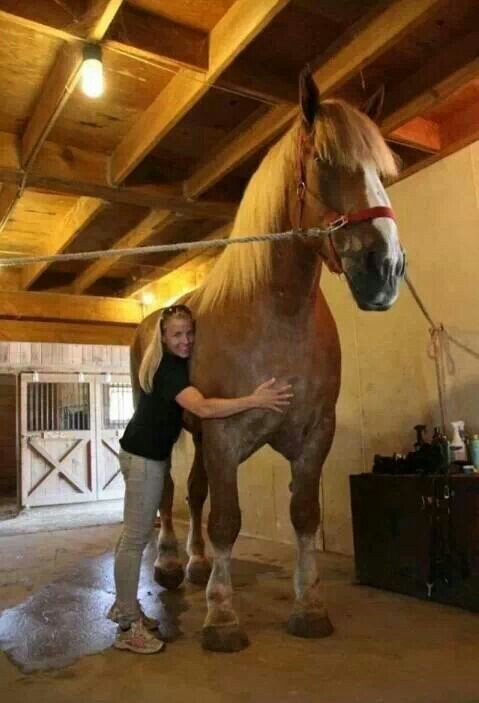
I never made a post about draft horses. :T They are the gentle giants of the horse world, sometimes growing as large as 20 hands and over 2000 lbs. The tallest horse in the world is an American-type Belgian horse named Big Jake (I think???).
A very big (but good) boy!
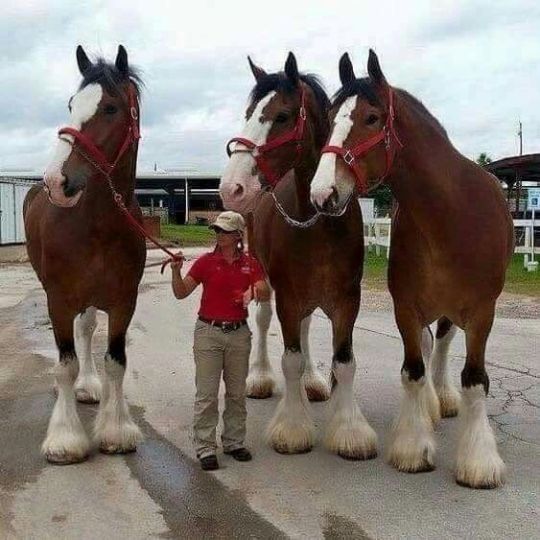
Despite their size, draft horses are known for their quiet, even temperaments, which make them good work horses. They were originally bred to pull wagons and plows, and they still do that. The most famous draft horses are probably the Budweiser Clydesdales, i.e. the horses in those Superbowl commercials that make us cry every goddamn year.
Draft horses can be ridden, and they are often crossed with lighter breeds, such as Thoroughbreds and Quarter Horses, to create tall, sturdy-boned, quiet sport horses.
Such horses were a common sight during foxhunts, as “hotter” breeds, like Arabians and Thoroughbreds, tend to lose their minds a bit in the chaos of the hunt. Draft horses can also be crossed with Mammoth Jack donkeys to create draft mules, which are also used to pull plows for the Amish.
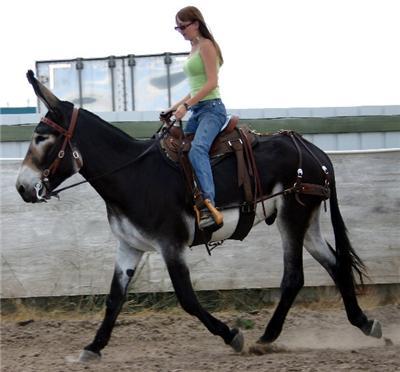
Mammoth Jack donkey:
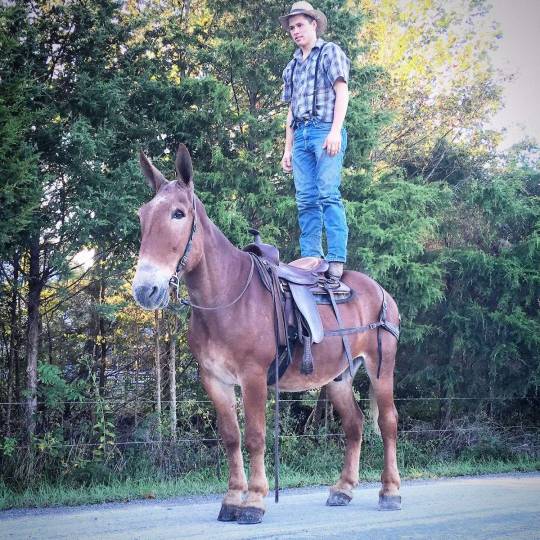
Draft Mule:
There are a lot of draft breeds, some more common than others. Many of the common ones are easy to tell apart from the others, but they’re all large-boned and tall, except for the draft ponies, such as Halflingers and Norwegian Fjord horses.
The Belgian
There are two Belgian horses, one that’s popular in Europe and another that’s very common in the US.
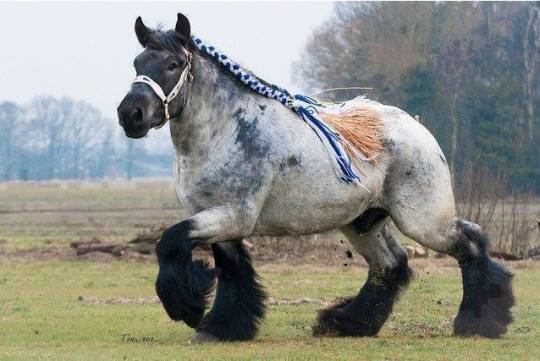
This is the European-type “Brabant” Belgian, which tends to be very thick boned and roan in color.
This is the American-type Belgian, which is lighter-boned and always sorrel/palomino in color:
Here is a Brabant Belgian mare pulling some shit:
A lot of draft horses really do enjoy pulling stuff, as much as a horse CAN enjoy doing anything that’s not eating grass and farting. Horse pulls are a common sight in Middle America, often done using Belgian horses. Here’s one of a team pulling 9200 lbs. They pull for a very short period of time, often only a few seconds.
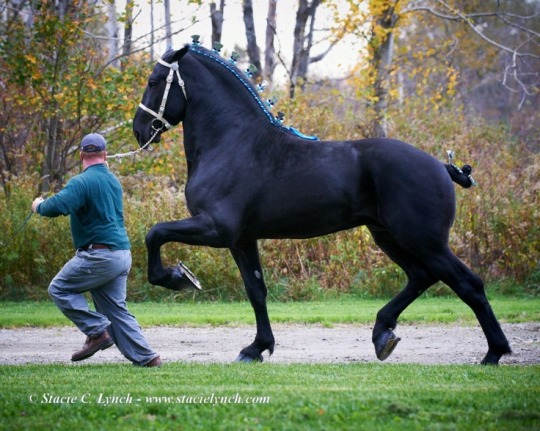
Next up is the Percheron, which has a similar body type to the Belgians but are always black or dapple. They can be slightly more spirited than Belgian horses, with some demonstrating high stepping action.
They are not to be confused with Friesians, who have much more “feathered” legs and feet (long hair around the lower legs) and are lighter-boned. Friesians also don’t come in dapple colors, like the horse at the top of this post.
Clydesdales
Clydesdales are recognizable because they are a) always bay colored and b) almost always have four white socks and a blaze on their faces. They also have much more feathering on their legs than Percherons or Belgians. Clydesdales are more common in parades and the like because they tend to be slightly lighter than Percheron and Belgians, and because of this, they’re more agile and “showy”. You probably would not want to plow with a Clydesdale. You could, but their feathering means their feet get dirty much easier than a Belgians might.
Shire Horse
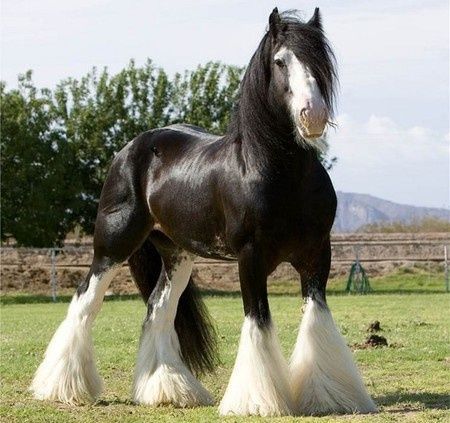
Shires come in a variety of colors, usually black or bay, and they are probably the most “feathered” horses of the popular breeds. They’ve got lots of fur on their feet.
Gypsy Vanner Horses
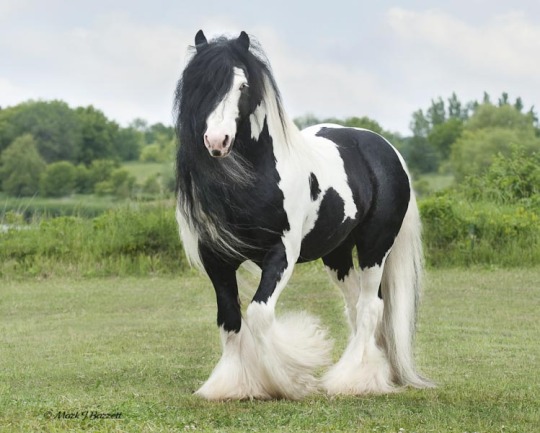
Gypsy Vanner horses got their start pulling Roma wagons, but now they’re mostly used in fantasy photoshoots, and you can see why. They are beautiful horses, definitely not the type you’d want toiling in the muck. They are almost always paint colored, which distinguishes them from Shire horses.
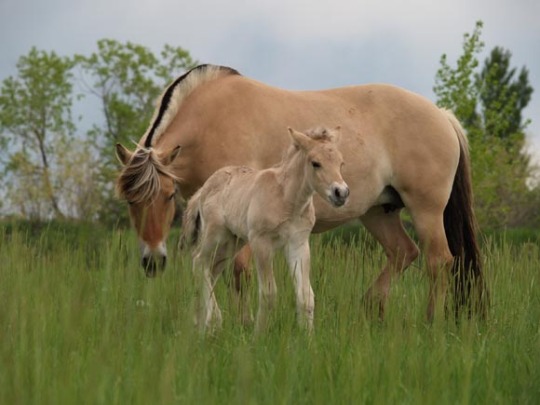
These are the main, most popular and commonly seen full-sized draft breeds, at least in the US. However, there are also draft ponies, the most popular of which is the Halflinger, which resembles a shrunken Belgian horse. They are ALWAYS sorrel/palomino colored, but their frame can vary. Some Halflingers are lighter-boned and more suitable for riding. Others are thicker-boned and better for pulling.
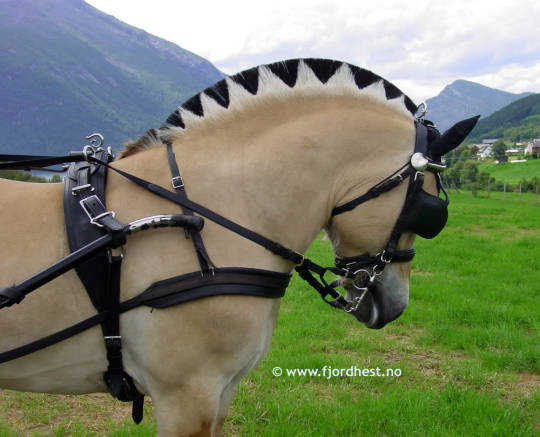
The other unmistakable draft pony is the Norwegian Fjord, easily recognized by the black stripe in the center of its mane, like a reverse ice cream sandwich.
This can lead to some creative hair cuts
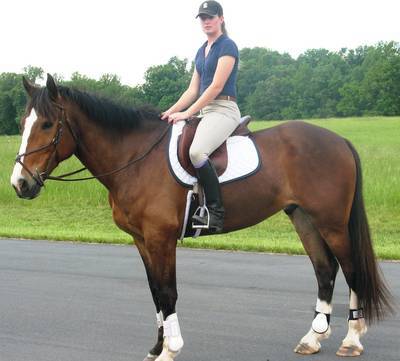
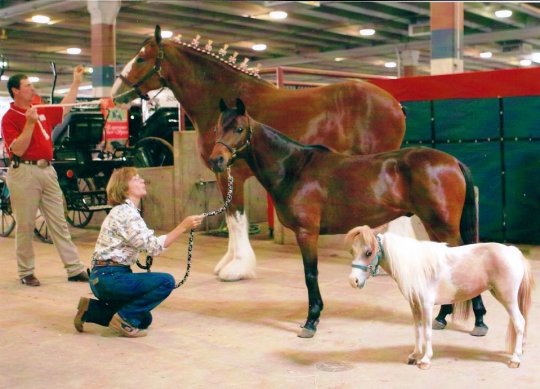
So there you go. That’s a somewhat comprehensive review of draft horse breeds. Here is a size comparison for funsies, with the average riding horse in the middle.
@mothbug I believe this may pertain to your interests
There’s also the Finn horse (or Finnish Universal) which can be used in basically ANY horse related thing; farming, forestry, harness racing, horseriding and vaulting.






 BettSplendens Tumblr Evac