Male eastern amberwing (Perithemistenera). 6/22/17
This is the smallest dragonfly in the US, and one of my favorite species. Their size makes them vulnerable to predation by other dragonflies, which they partially combat by sitting on flowers and mimicking the movements of a wasp.
Thank you for this! I’ve been seeing these guys, but haven’t been able to get a good enough photo of one to get it identified. It’s gotta be these guys, though, they’re so tiny!
with some bugs it really does feel less like the larval stage is the ‘baby’ stage and more like its the ‘normal’ stage and the bug’s final form is just their extra special final form they use to fuck
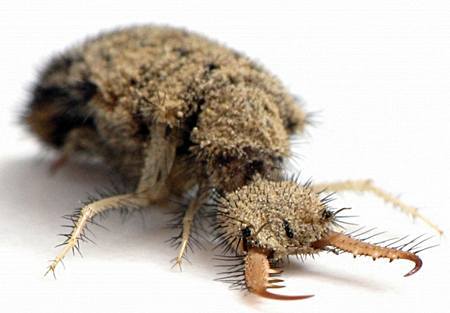
I was actually distraught as a child when I found out that an antlion was “just” a “larva” to something else but later I learned that they spend two to three entire years that way and the adult only lives for a couple of months.
Butterflies are also shorter lived than caterpillars; we can think of them more as the caterpillar dispersal system.
We also always hear about how “mayflies only live a few days” but that ignores the fact that they, too, spend years as aquatic nymphs.
same for dobsonflies, which live for maybe a week as adults, but for years as enormous highly predatory aquatic larvae called hellgrammites.
except with dobsonflies, all forms feel a bit extra. If they were pokemon they would be some late generation multi-form legendary
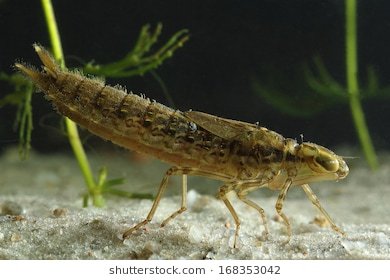
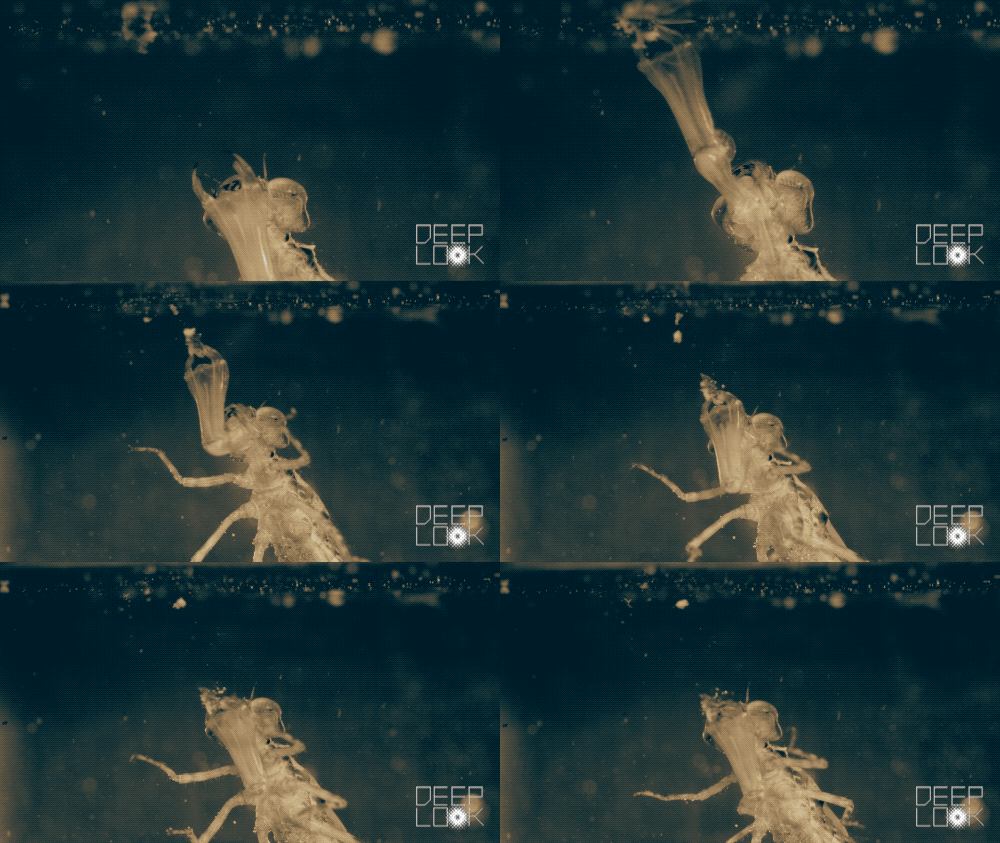
Pretty, graceful adult dragonflies live only for like seven months, but beforehand they spend five years as this
aquatic predatory incarnation of bullshit, which hunts other aquatic insects and even small fish with its big fucking xenomorph mouthparts.
Cicadas spend up to 17 years underground before emerging for a week of Screaming In Trees and mating to produce more weird underground crawlies.
An adult insect wing is basically dead. Most of it is dried up, like a dead leaf. Only a little bit — the skinny dark lines called veins — have living, breathing parts inside. Or so Rhainer Guillermo Ferreira thought. So what were those little pipes that looked like breathing tubes doing in the dried parts of dragonfly wings?
Guillermo Ferreira was stunned. The pipes looked like tracheal tubes. They are what carry oxygen to living tissues in insects. So why would tissue that was supposed to be dead need to breathe? That’s what this insect biologist — or entomologist — working at Kiel University in Germany was curious to know.


 BettSplendens Tumblr Evac