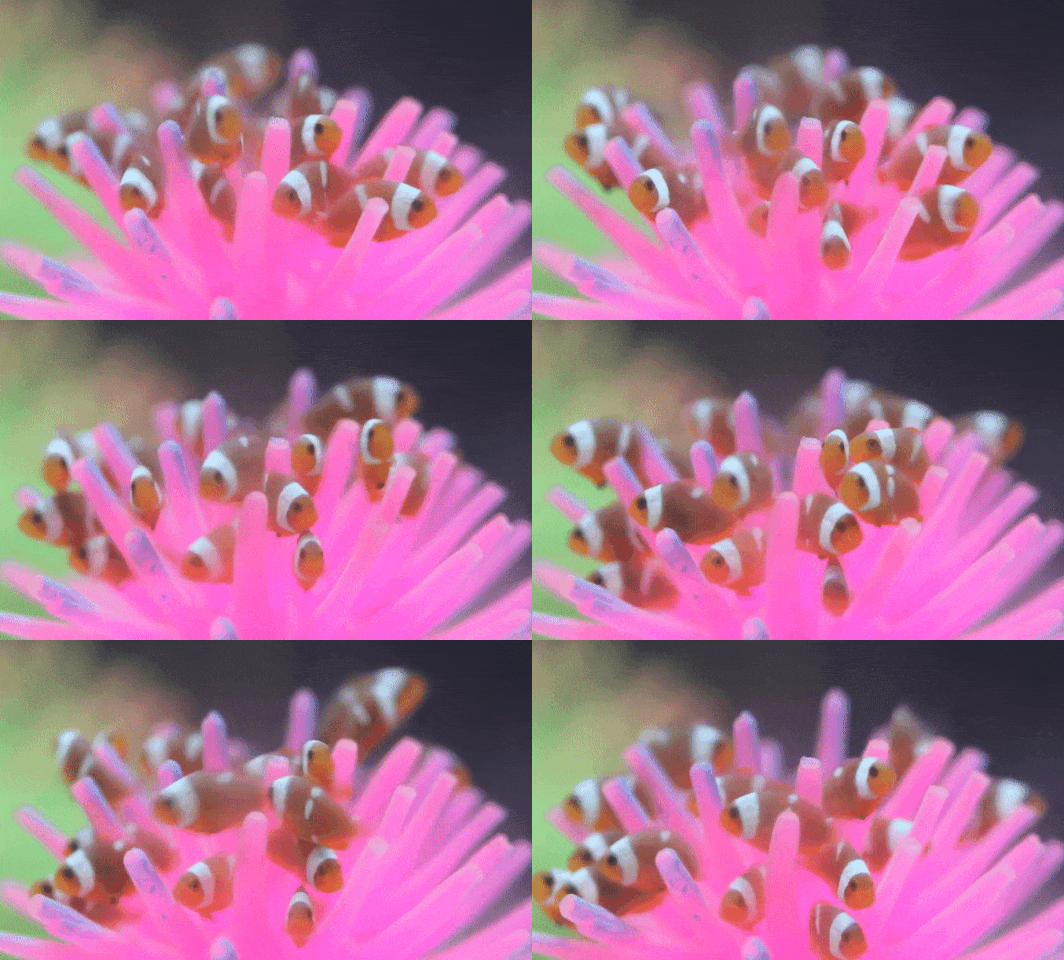
The pink skunk clownfish is a species of anemonefish from the skunk complex that is widespread from northern Australia through the Malay Archipelago and Melanesia. Like all anemonefishes, it forms a symbiotic mutualism with sea anemones and is unaffected by the stinging tentacles of the host. It is a sequential hermaphrodite with a strict size-based dominance hierarchy;
the female is largest, the breeding male is second largest, and the
male nonbreeders get progressively smaller as the hierarchy descends. They exhibit protandry,
meaning the breeding male changes to female if the sole breeding female
dies, with the largest nonbreeder becoming the breeding male.
A lot of other clownfish do the same thing as far as sexes. If you want to breed clownfish, you just get two juveniles and let them sort themselves out, one will become female. If the only ones available are adults, you get a big one and a much smaller one, and the big one is either female or will become female.
Clownfish were one of the first saltwater fish bred in captivity, second only to cardinalfish, so there are a lot of custom varieties that have been selectively bred for. Some of them are nakey.
These are actually called naked clownfish! They’re ocellaris clownfish (”Nemos”) who have been selectively bred to not have stripes. They don’t seem to notice.
What do you think is going on here? I thought at first that the white goby was just trying to burrow in a bad spot, but it does seem to be intentionally throwing sand on the jawfish. Both of those are fairly intelligent fish species who are very good at moving sand, so I don’t think that much targeted movement of sand into the tunnel is accidental.
My only guess is maybe the jawfish (blue) stole the goby’s tunnel, and the goby is trying to drive it out.
The clownfish, I’m guessing, is hanging around in hopes that the digging unearths tasty snacks. That, or it’s trying to intimidate the others.

 BettSplendens Tumblr Evac