so these little dudes are on display where I work and this conversation between various groups of visitors viewing them happens CONSTANTLY
Visitor 1: Aww! Look at the cute little caterpillars!!
Visitor 2: Oh!! cute!!
Visitor 3: No! it says they’re called silkWORMS.
All: Ewww Worms! Gross!
like…. the appearance of the animal did not change?? their name did not add or subtract any attributes from them?? also no one ever says anything like “oh well they’re cute for worms” they just immediately take back what they were saying before because of the word “Worm”
And they’re not even worms?? They are caterpillars. They’re just called that because they were named by people who didn’t bother to check for legs or consider that worms do not turn into moths.
They’re also very soft. Touch one! Even softer than most caterpillars.
aaaaa I mean I primarily work on beetles for my research, so the natural choice would be Coleoptera for their incredible morphological and ecological diversity
(above: ant nest parasite beetles)
but we both know how insanely good neuropteran larvae are as well….
But there are so many good beasts in Hymeoptera, like dear sweet Megachile bees
or the ever-delightful Cephalotes ants
augh but i also feel the need to champion Diptera because of the general view of flies as boring nuisances
and you know, hemipterans are cool too
but yeah, gun to my head, i gotta go with Coleoptera. can’t beat the beetles
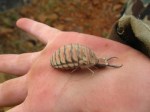
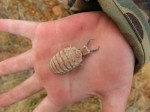
I just wanted you all to see this animal in its full glory because it might be my favorite individual animal ever. Antlion larva from Namibia. Photos by Alex Dreyer.
IT’S SO BIG
I didn’t know there were any that got that big! We only have the pea-sized ones.
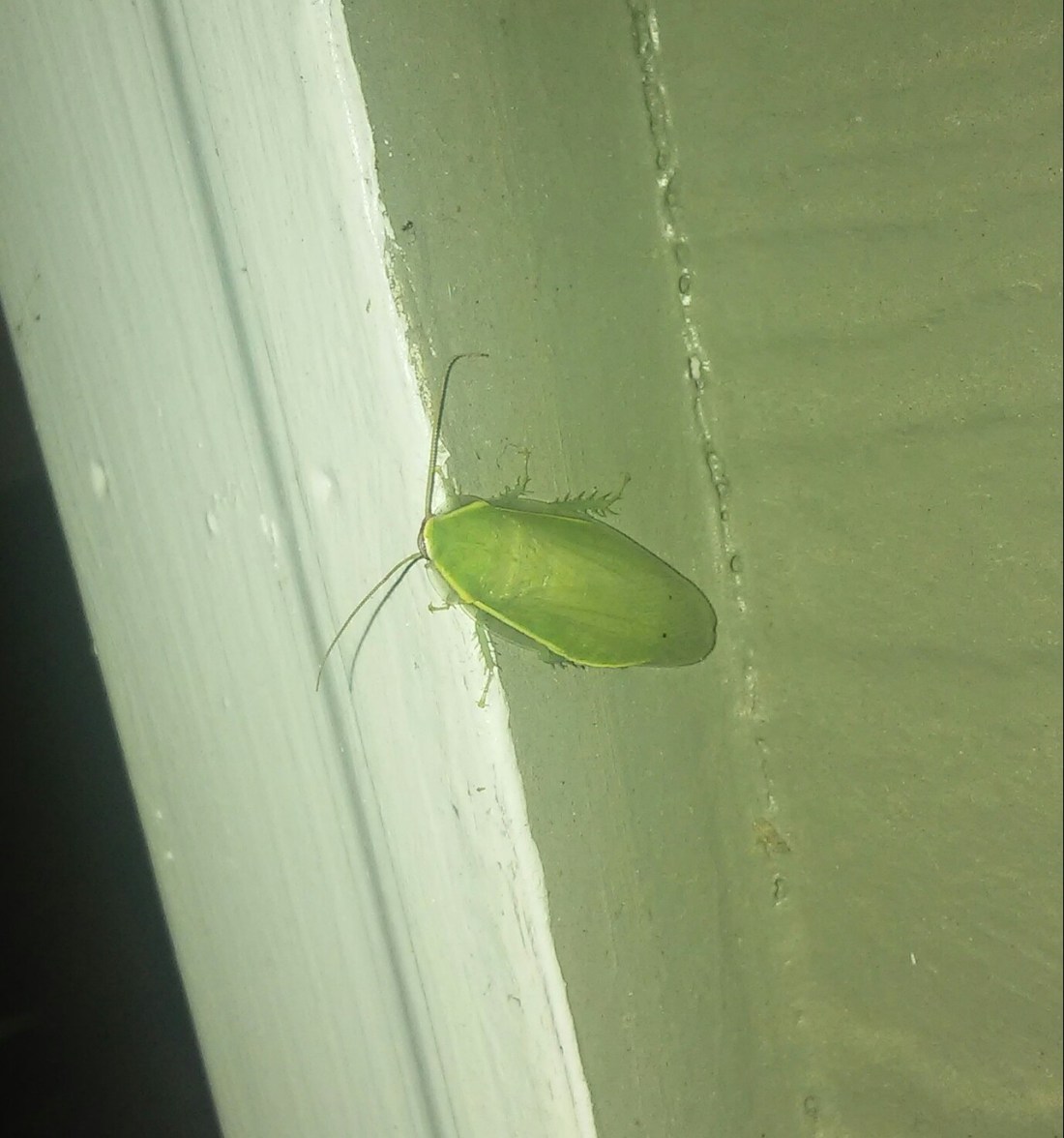
I saw them twice when I lived in Florida, and they escaped both times because unlike a lot of roaches they are very very prone to flying, they fly around as much as a moth or something does!
Banana roaches are occasionally kept as pets. They’re not technically native to the U.S, they came in on fruit, but they’re now well-established in Florida, Georgia, and similar areas. We have them now and then in Central Texas. They aren’t considered invasive, and they don’t infest houses, they’re an outdoor-only roach unless they get in and get confused.
If you want to keep some, they’re very easy pets, and fun to watch. Mildly damp enclosure, a layer of leaf litter, a constant supply of cat food and a piece of fruit every few days at least, and you should have happy roaches. Nymphs are brown and flightless, adults are pretty green but very, very flighty. The main problem with them is their escaping due to flying when startled. Open the lid, startle 20 of ‘em, and suddenly they’re everywhere except in the tank.
Found what appeared to be a dead gnat in my water glass. Fished it out in order to not drink it.
10 minutes later it dried off, arranged itself properly, and turned out to actually be the tiniest moth I’ve ever seen. It’s actually smaller than a gnat! And it has a brain! And markings on its tiny wings!
Lovely large ladies on the alpine mintbush! Both these insects are big, for bugs, and both are flightless, flashy coloured, and female.
On the right is the spotted mountain grasshopper (Monistria concinna), who’s delightful spots are an aposematic colouration warning of her toxicity. She’s grazing voraciously on the mintbush to build up weight before winter, where she won’t die like other alpine insects but rather, she will freeze solid, awaiting the thaw of spring to live and eat another year!
On the left, the flagship species of my lab, the mountain katydid (Acripeza reticulata), doing her deimatic display. She has lifted her wing cases to reveal her colourful, curled abdomen covered in foul tasting secretions, as well as inflating her orange throat patches. She too is eating the mintbush, possibly to sequester the toxins in its leaves for her defense, like the grasshopper does.
These gorgeous girls are but a small part of the fantastic array of Australian alpine invertebrates that make fieldwork a real treat.
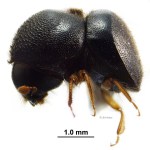
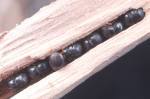
have i mentioned how much i love the ambrosia beetle Cnestus mutilatus? look at them. what an incredibly good shape for a beast to have.
photo credit 1 Jiri Hulcr, 2 & 3 You Li, 4 from this paper about C. mutilatus being so attracted to ethanol they were found burrowing into fucking gas cans bless their hearts






 BettSplendens Tumblr Evac