He’s a Eurycantha calcarata, a large species of phasmid (stick/leaf insect relative).
A lot of herbivorous insects only eat a few types of plants, but these guys will eat literally anything that might count as a leaf. Grass, cacti and succulents, ferns, moss, even rhododendrons and other toxic plants that are left virtually untouched by insects outside aren’t safe. In the wild they’re pests of oil palm plantations, being among the only insects able to chew through the palms’ thick, leathery leaves.
And apparently they eat paper too. He can probably get some nutrition out of it as well, because he can digest some cellulose. Unlike weak- ass mammalian herbivores and their gut bacteria, phasmids produce their own cellulose- wrecking enzymes to handle their fiberey diet.
Other fun facts about this species:
– The males have giant spikes on their legs that can pierce human flesh down to the bone (but mine never seem to use them as long as they’re handled gently)
– Unlike other phasmids, which tend towards the epitome of passiveness towards their fellow insects, males of this species are jealous bastards that will murder each other with their leg spikes if kept together in the presence of a female
– There’s anecdotal evidence that mating pairs sometimes form long- term bonds (sleeping in the same toilet paper tube every day, coming out to feed at the same time night, etc.) and when one partner kicks the bucket, the other one often dies soon afterwards even if they were different ages.
– Their eggs are the size of small beans, and look exactly like beans. Seriously, you could throw them into a bag of mixed dried beans and you’d never know which beans were the eggs unless you knew exactly what shape and color of bean to look for.
Anyway I hope you had fun learning about this one particular type of bigass paper- munching bug. They’re one of my favorites and I enjoy them immensely.
It’s amazing how little empathy people have towards animals and how little knowledge they have of animal behaviour.
There’s so many people with comments like “Oh i was sleeping and it stung me for no reason!” like no dude, it was trapped in your room got frightened and stung you in your sleep, or landed on you and you rolled over or touched it while sleeping causing it to sting you or a million other reasons.
Wasps don’t have the capability (that we know of) to go “I’m going to sting this person for zero reason cause I’m a wasp.” Animals don’t think or behave like that.
I’ve only been stung by a bee/wasp/etc once, and that was because I somehow got a bee in my shoe. Not shockingly, it didn’t like that. I’m actually not even sure it stung me on purpose- it was a honeybee, but there was no stinger in the sting. I think it might have scraped me with its stinger instead of actually stinging. Is it possible for that to raise a welt like a sting would?
I’ve gotten up close to plenty of hives and nests, and if you move kinda calmly, you can usually get moderately close. Plus, if you watch them, they warn you that you’re too close. They buzz louder and move faster and clearly display that you gotta go.
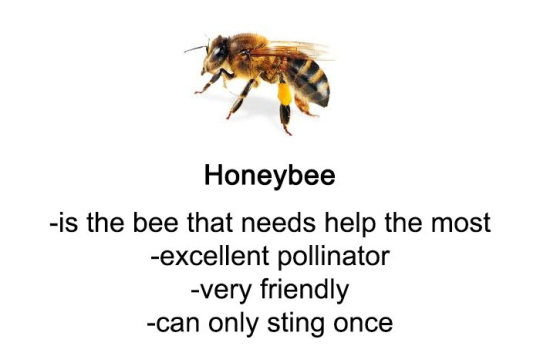
Stinging costs venom, energy, and risk. For a honeybee, it costs that worker’s life. They always, always have a reason to spend that energy, effort, and venom.
Finally, “evil” implies intentional malice. For something to be evil, it has to understand that it’s causing significant distress, and continue doing that, for no other reason than to cause distress. I can think of a very few animal species which are maybe, maybe intelligent enough to be capable of that, and most of them are things like cetaceans and elephants. Definitely not groundhogs or any sort of invertebrate. An animal can be needlessly aggressive if made to be by genetics or circumstance, but animals are incapable of evil.
image that you’re puttering around in the undergrowth of a temperate forest looking for mushrooms when you see a brightly-colored beetle out of the corner of your eye. it’s not a mushroom, but you reach out curiously anyway.
MISTAKE.
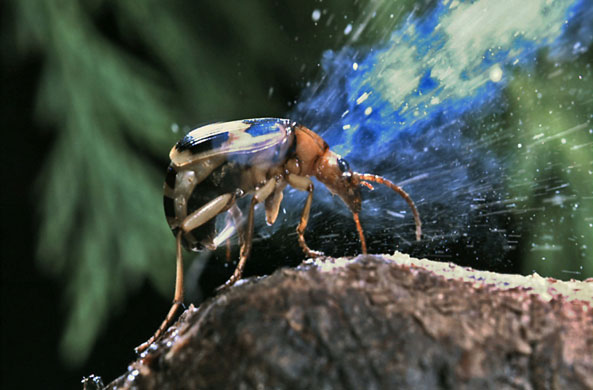
a “pop” like someone stabbing a can of beer with a letter opener rings through the forest, and suddenly your hand is covered with boiling corrosive liquid! roll 2d6 for burn damage and start over.
congrats, you’ve just made the blistering acquaintance of a brutally belligerent beast- it’s the
and this episode of Weird Biology was brought to you by the letter “B”.
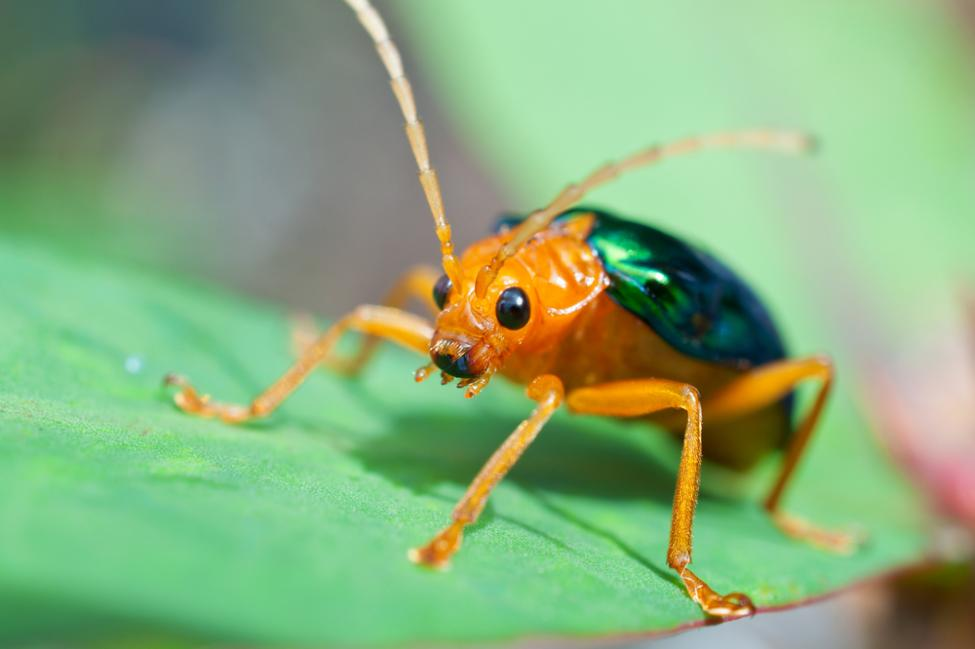
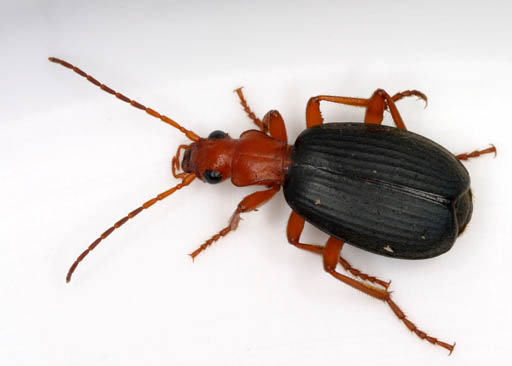
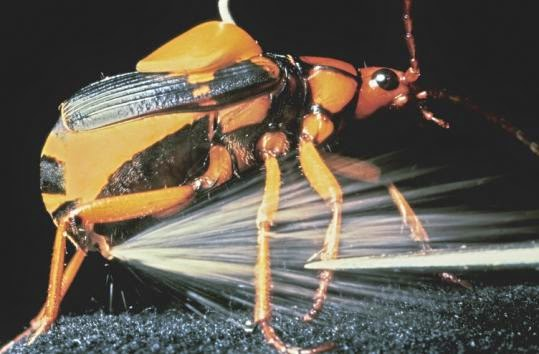
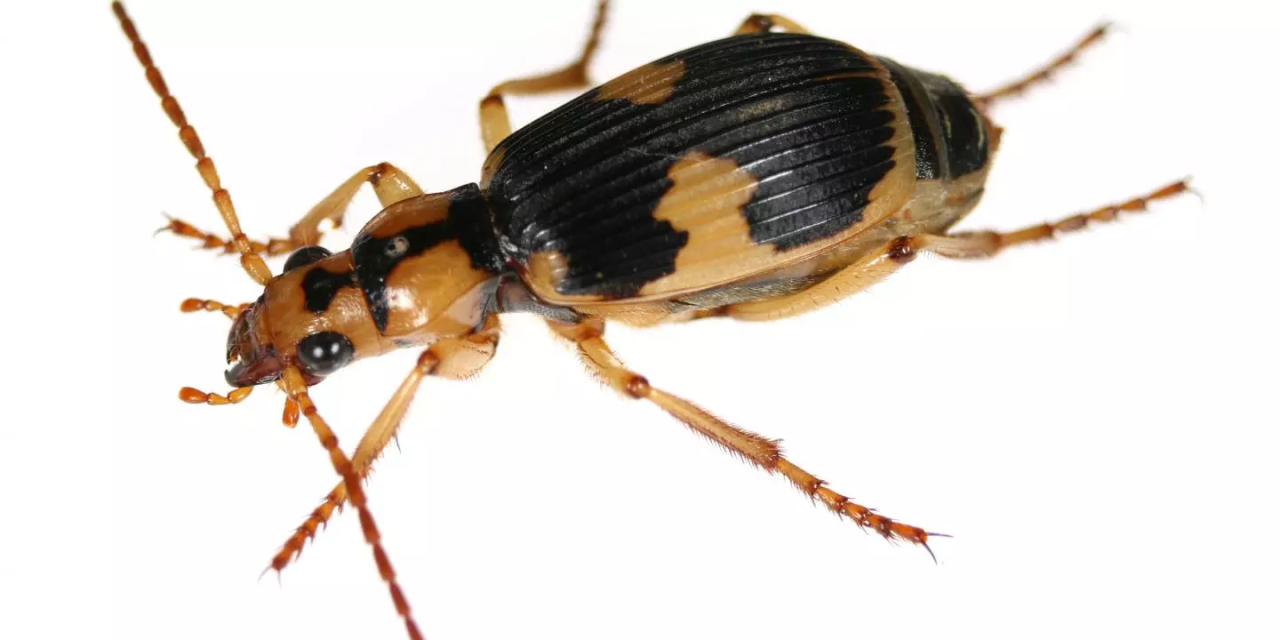
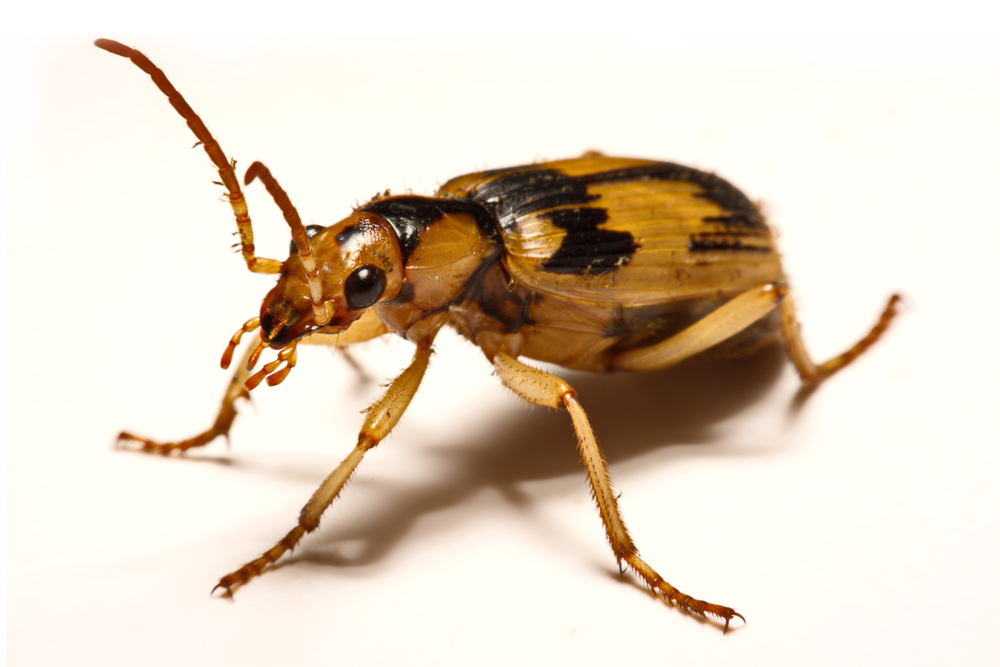
Bombardier Beetles are a type of ground beetle with an 8th-grade spelling bee of a name. they come in a striking array of brown and amber shades, but what’s REALLY striking about them is their signature defense move.
you’ve probably heard of the Bombardier Beetle before, and with good reason! these singular insects have one of the most effective, awesome, and outrageously violent defenses on the planet! and it’s centered around exploding butts. I swear I am not making this up.
if animals had ratings, these guys would be “R” for Excessive Butt Violence
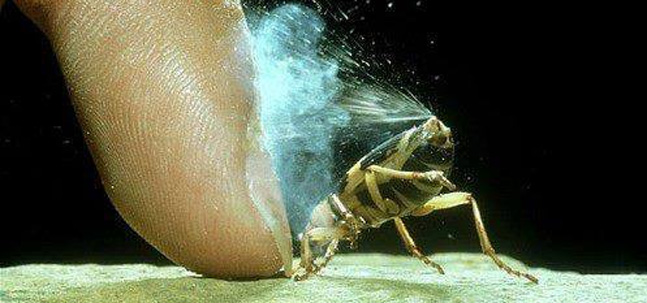
now when I say “exploding butts”, what I actually mean is “they shoot a spray of boiling noxious liquid in a wide arc, injuring or outright killing an attacker. from their butts.” there’s a bit of nuance, there. and while there might not be an actual explosion involved, you have to agree that that’s weird as shit.
but how does a mere insect manage to pull off what’s basically a real-life Pokemon move? well, to explain that, we need to get a little more scientific. brace yourselves, it’s time to learn everything your high school teachers never wanted you to learn about butt chemistry!
high school never taught us the important things we really needed in life, especially if it involved butts.
to start with, Bombardier Beetles are structural marvels with guts set up like an organic version of a rocket engine. no, seriously. they have two chambers deep inside their bodies with a valve connecting them both to a special reaction chamber in their teeny beetle butts. (teeny beetle butts would be a pretty good name for a prog rock group.)
one of these chambers contains hydroquinone, a noxious disgusting compound that many other beetle species use to make themselves taste gross and inedible. (like carrying around a “do not eat me!” sign all day.) but Bombardier Beetles use this chemical for a more creative purpose, because their other chamber contains hydrogen peroxide. which does NOT get along with hydroquinone, and demonstrates this fact with ULTIMATE VIOLENCE.
EXTREMELY DO NOT EAT ME.
when these two chemicals are combined, it results in a violent chemical reaction that creates a) a metric fuckton of heat very quickly, and b) a mildly toxic liquid called benzoquinone. and when something impolite gets all up in the Bombardier Beetle’s face, they open the internal valve to combine the chamber contents and now it’s go time motherfucker.
this reaction creates so much heat that it instantly boils the resulting compound. this boiling liquid builds up pressure like the inside of an Instapot, at which point the Bombardier Beetle opens its butt valve and sends a pressurized jet of boiling toxic liquid directly into an attacker’s face with a POP like someone opening the world’s most painful can of soda. and it all happens in just a few milliseconds.
a few milliseconds is a very short time in which to lose your eyebrows.
unsurprisingly, this move is super-effective on every single enemy Mother Nature can field against the Bombardier Beetle. this superhot jet can kill smaller predators on contact and blind or inconvenience larger ones badly enough to scare them off. (this category includes you, by the way. DO NOT TOUCH.)
this elaborate defense is so incredibly unstoppable that the Bombardier Beetle is damn near ubiquitous. there are over 500 different species of them, found on every continent except Antarctica. you may have even seen one today and not realized it!
there are 40 species in the US alone! WATCH OUT.
for all their incredible butt-rocket fury, Bombardier Beetles look… pretty unremarkable. none of them reach even an inch in length, and they tend to inhabit forested and scrubby areas. if you didn’t know exactly what you were looking at, you’d think it was just another itty bitty forest beetle scuttling its unobtrusive way through life. but that just goes to show that Unyielding Butt Destruction can come in very small packages.
but because they are so eeny teeny weeny, Bombardier Beetles really don’t pose much of a threat to humans unless you’re actively harassing one. in which case, cut that out! don’t be an asshole, c’mon. watch where you step though, because the only predator Bombardier Beetles can’t win against is a thick-soled boot.
just don’t hold one directly up to your face.
but being inconspicuous can be a very good thing! because humans rarely interact with Bombardier Beetles, their populations seem to be pretty stable. they’ve lost some habitat, but they’re adaptable enough to make up for it.
Bombardier Beetles will live anywhere that’s damp enough for their eggs to stay moist and babyful, and they have no problems decimating populations of smaller snack-sized insects while warding off any creatures foolish enough to try to munch on THEM. and it’s all thanks to a butt-blasting deathsplosion unequaled in nature. let’s hope these eeny weeny meanies stick around for a long, long time.
Bombardier Beetle, you’re cool enough that I don’t mind typing your terrible name one last time!
–
thanks for reading! you can find the rest of the Weird Biology series on my tumblr here, or check out the official archive at weirdbiology.com!
if you enjoy my work, maybe buy me a coffee and support Weird Biology!
and if you’d like to see exclusive Weird Biology content, check out my Patreon today!
–
IMAGE SOURCES
img1- UPI.com img2- arabiaweather.com img3- Wikipedia img4- Fun Animals Wiki img5- NewsWeek img6- OneKindPlanet img7- rt-bi.nl img8- Discover Magazine
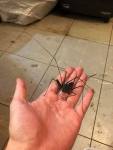
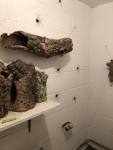
From (The Spider Shop) an entire small bathroom as a whipspider habitat is such an amazing aesthetic concept and I’m sure they love it when the lights are out and there’s no humans bothering them, HOWEVER I’d be so worried about them getting hurt or lost when the door is opened and it looks like the toilet is still used by people?!
I don’t know how they’re clinging to those tile walls either, my one can’t climb anything smoother than bare rough brick.
Oh yeah you might notice how they’re arranged really evenly on that wall, too – that’s actually how they live in the wild!
They inhabit caves, hollow trees or sheer rock walls in the tropics, and will spend most of their time just sitting in one spot, slowly slowly waving their ultra-long “whips” (legs modified into feelers) all around themselves in a circle to search for any passing prey.
If they feel the whip of a fellow spider they will move just out of their way, so they all end up exactly at “arm’s length” from one another in a sort of loose grid or checkerboard of little hunting spots.
It’s almost like a perfect video game setup. If you’re an insect lost in a whipspider cave, you’ve got to navigate this minefield of nearly blind predators whose huge long skinny arms are just constantly, silently circling in search of YOU!
Not a lot of things they eat are really smart enough to last very long that way.
Actually even if they were smart this is still the setup they’re dealing with:
WAIT ANOTHER THING I FORGOT
So they live in total darkness, and most of their prey, like cockroaches, rely entirely on touch to navigate that environment.
So, the prey feels something brushing it in the dark, something little and light, just the tip of something, no big deal….and has an instinct to just move AWAY from that thing, right? Problem solved?! But since the arms reach around so far, it often means a situation like this:
….And if the prey doesn’t just blindly march straight into its mouth from there, the whipspider will do this:
It doesn’t need to pounce or chase. The prey doesn’t have a direction to go where it won’t bump into one of the arms, turn around, and try to go a different way, like a roomba, as the arms slowly close in and shrink that corral more and more towards the predator’s jaws!
with some bugs it really does feel less like the larval stage is the ‘baby’ stage and more like its the ‘normal’ stage and the bug’s final form is just their extra special final form they use to fuck
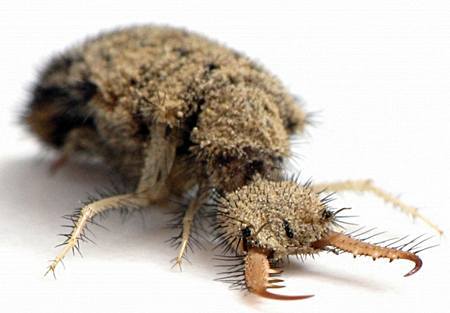
I was actually distraught as a child when I found out that an antlion was “just” a “larva” to something else but later I learned that they spend two to three entire years that way and the adult only lives for a couple of months.
Butterflies are also shorter lived than caterpillars; we can think of them more as the caterpillar dispersal system.
We also always hear about how “mayflies only live a few days” but that ignores the fact that they, too, spend years as aquatic nymphs.
same for dobsonflies, which live for maybe a week as adults, but for years as enormous highly predatory aquatic larvae called hellgrammites.
except with dobsonflies, all forms feel a bit extra. If they were pokemon they would be some late generation multi-form legendary
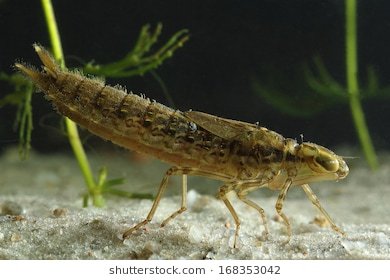
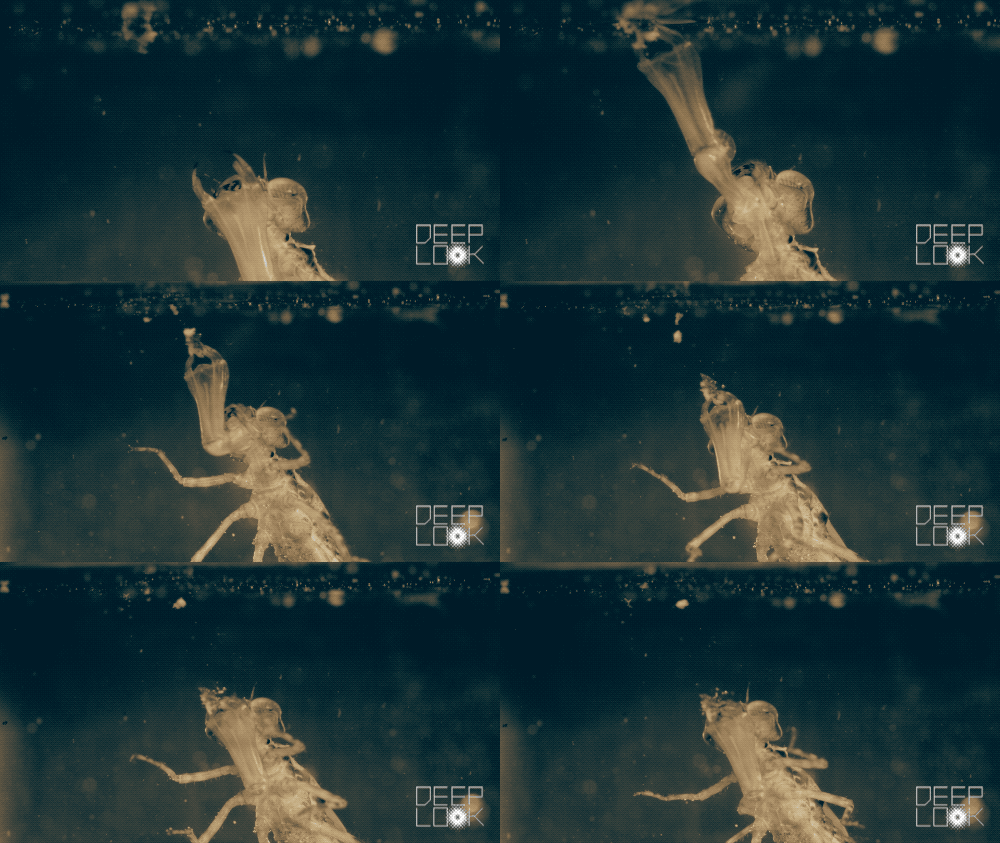
Pretty, graceful adult dragonflies live only for like seven months, but beforehand they spend five years as this
aquatic predatory incarnation of bullshit, which hunts other aquatic insects and even small fish with its big fucking xenomorph mouthparts.
Cicadas spend up to 17 years underground before emerging for a week of Screaming In Trees and mating to produce more weird underground crawlies.
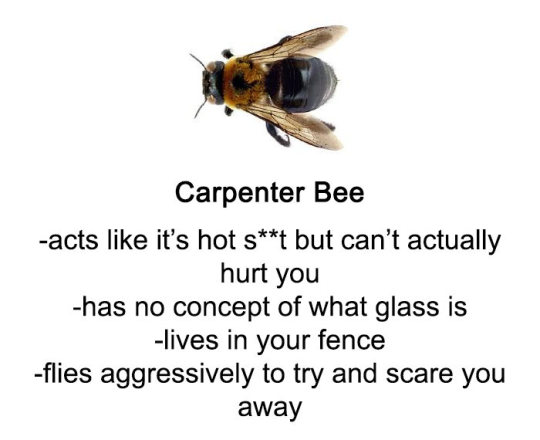
I’ve been stung by a carpenter bee. They’re usually pretty chill.
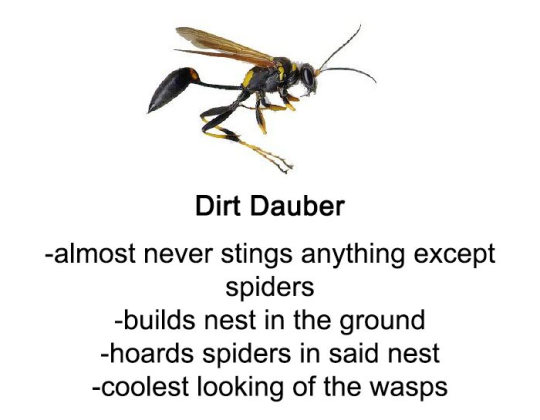
And dirt daubers are bros.
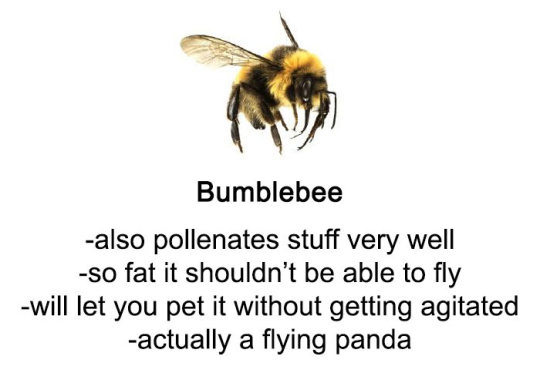
It’s true you can pet Bumblebees
you can pet any of them if ur not a coward!!
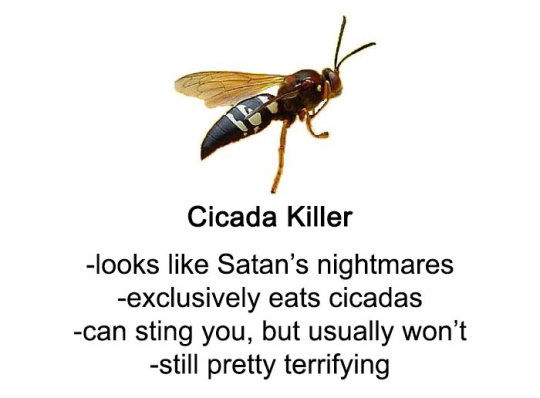
My rational mind knows that cicada killers aren’t a threat but when they appear they legit terrify me until I remember that.
They are a burrowing breed so they do tend to appear out of nowhere. They’re just curious when they fly towards you tho. You’re in their territory and they wanna make sure you’re not a wasp
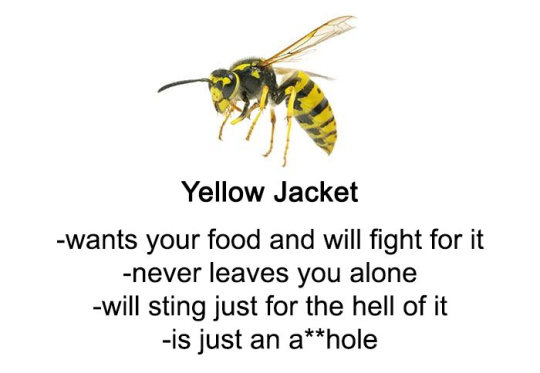
At a place that I go a lot me and my friends have to hide from fucking yellow jackets because THEY WILL COME AFTER ALL FOOD!
Man you just gotta be chill about them (note: i love yellowjacks so this is slightly biased)
But like you leave em a nice little sugar offering off to the side and dont jump too much when they land on you, and you dont let yourself get scared, and they really dont just attack if they can avoid it
The worst time i ever had with one was the time i had candy goo on my hands and it bit me thinking I was food. Nothing worse ever happened to me.
Although bees can smell fear, and it apparently causes them to attack, so that might be my own little ability to get along with em right there: I’m usually tol fascinated to be scared.
If you see those lil heaps of mud tubes on a wall with holes sometimes in one end, those are mud dauber nests. They build the tubes of mud, stuff caterpillars inside, lay an egg, and leave. Grubs hatch from eggs, eat caterpillars, grow up, and tunnel out.
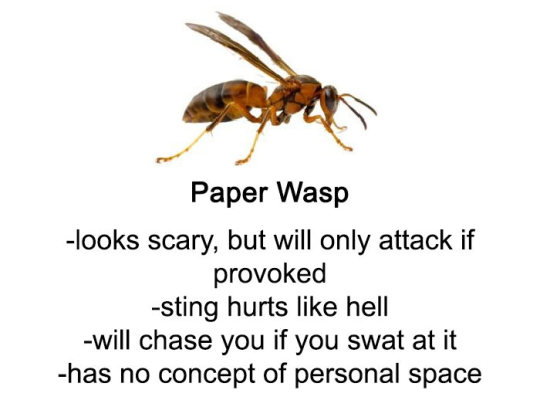
Paper wasps are the ones that build the paper-honeycomb nests where you can see all the tubes. The guy who invented paper got the idea from them. They’re pretty chill around humans as long as none of the humans nearby have done anything to them. If you see one starting to build a nest where you don’t want one, wait ‘till it leaves and remove the nest.
The hive I’m using for my experiment is in a flight cage meaning they can’t forage, so for the mean time we need to provide them with some sucrose solution and pollen. This is how the bees collect it, by rolling around in it before gathering it up onto the pollen baskets using their legs.








 BettSplendens Tumblr Evac