This is too agile to be a newborn nakey baby bird. Nakey babies are kinda floppy and terrible. I think it’s an adult of a small species, a parakeet or something, with a disease or genetic issue that makes it incapable of growing feathers.
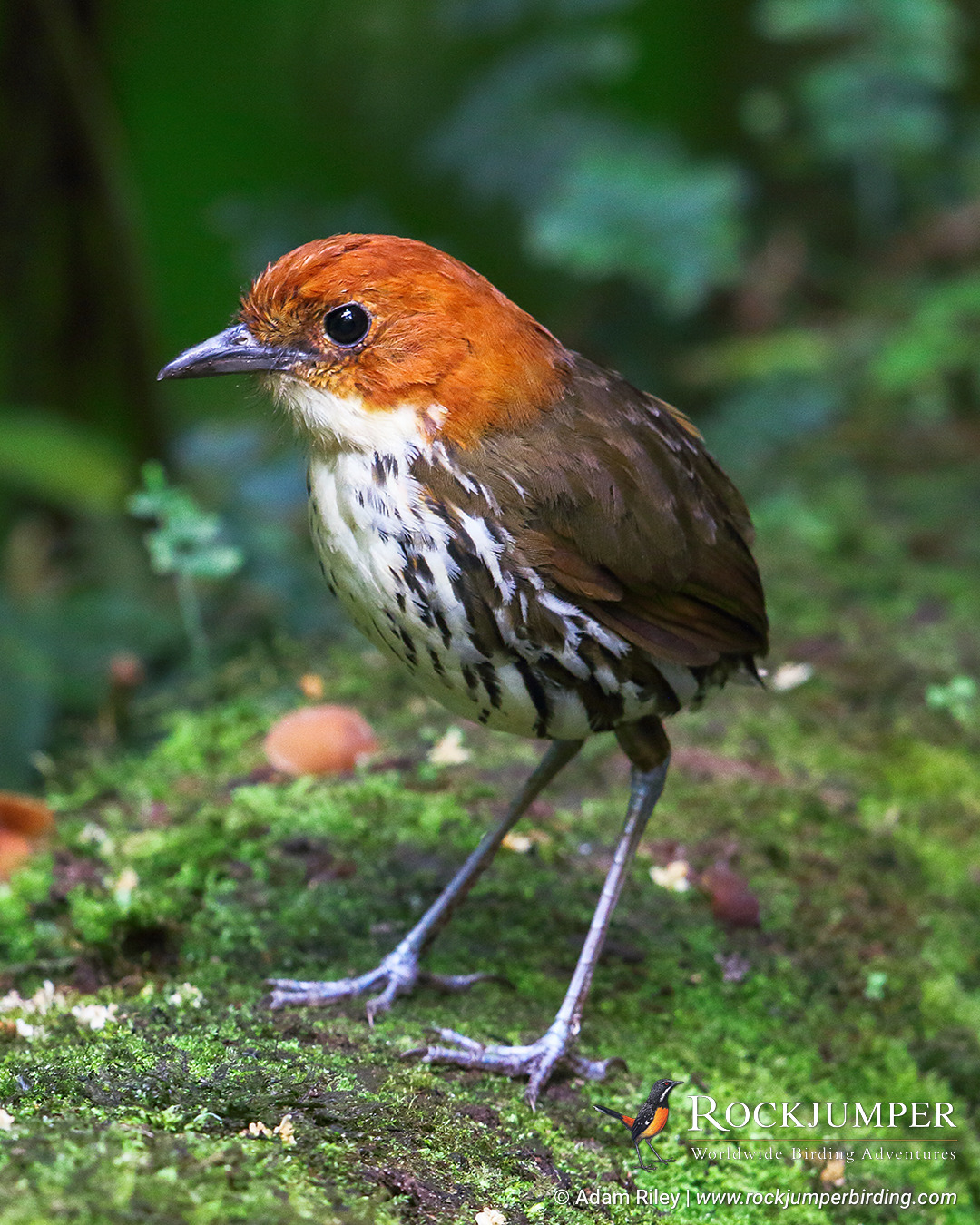
Photo of the Day – The Chestnut-crowned Antpitta (Grallaria ruficapilla) ranges from northern Venezuela south to central Peru. This stunning species is actually one of the easier antpittas to see. Their calls are easy to imitate and their curious nature means they often approach in response to human whistles.
This beauty was photographed by Adam Riley in Ecuador
Please look up “antpitta bird” on Google. They’re all little round birds with long legs, and it’s the cutest photoset ever.
Multiple people with professional bird experience that I’ve spoken with believe so! One noted that a some birds get so “into the scritch” that at times they will lose their balance or cease being aware of their surroundings (as you can see in this video) but that we don’t really know why. It looks like this owl was having a super good scratch, ended up leaning a little farther back that the human was in a good position to support, lost his balance, and recovered. It’s all good and yes, actually cute.
(It’s worth noting, of course, that this is an interaction that can only occur because the person has a strong history with the owl and a lot of previously developed trust. This isn’t something you should ever consider doing with an owl you don’t know and haven’t been trained to work with.)
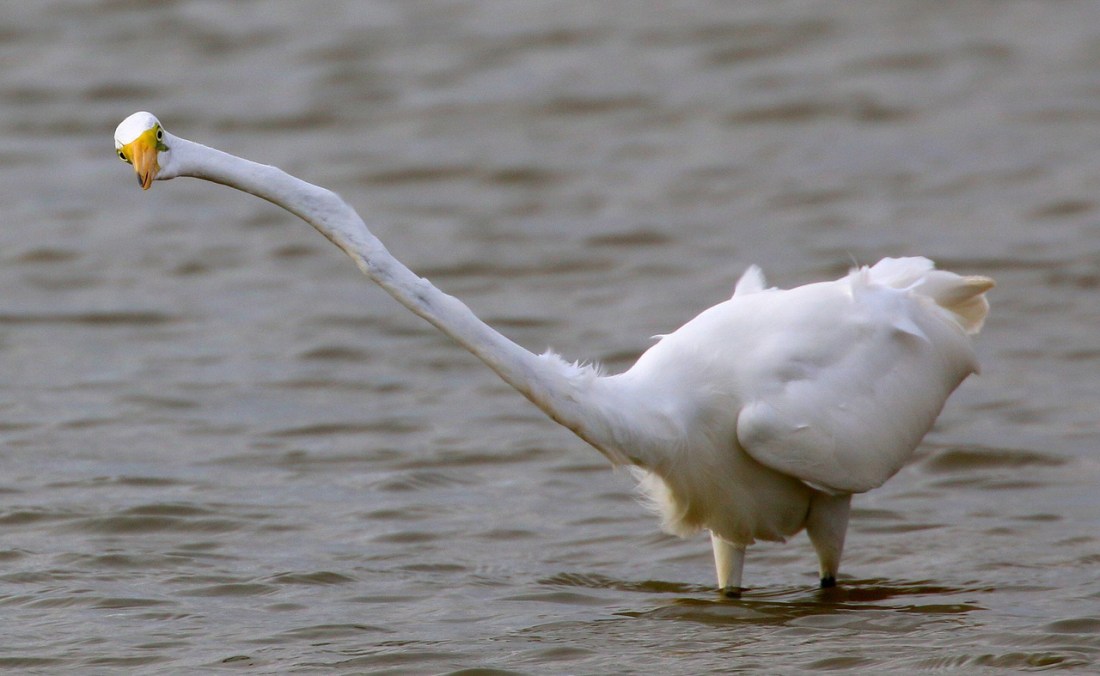
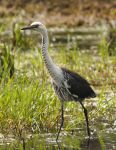
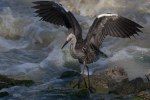
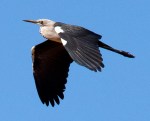
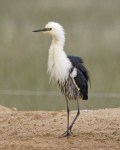
The white-necked heron is a species of heron
that is found on most of the Australian continent wherever freshwater
habitats exist. It is also found in parts of Indonesia, New Guinea and
New Zealand, but is uncommon in Tasmania.
The populations of this species in Australia are known to be nomadic
like most water birds in Australia, moving from one water source to
another often entering habitats they have not previously occupied,
taking advantage of flooding and heavy rain where the surplus of food
allows them to breed and raise their young. The body size/length is between 76–106 cm. The diet consists of freshwater mussels, fish, shrimp, freshwater crayfish, spiders,
dragonfly nymphs, damselflies, praying mantis, grasshoppers, water
beetles, lizards, young ducklings, young freshwater rat, and amphibians.




 BettSplendens Tumblr Evac