image that you’re puttering around in the undergrowth of a temperate forest looking for mushrooms when you see a brightly-colored beetle out of the corner of your eye. it’s not a mushroom, but you reach out curiously anyway.
MISTAKE.
a “pop” like someone stabbing a can of beer with a letter opener rings through the forest, and suddenly your hand is covered with boiling corrosive liquid! roll 2d6 for burn damage and start over.
congrats, you’ve just made the blistering acquaintance of a brutally belligerent beast- it’s the
and this episode of Weird Biology was brought to you by the letter “B”.
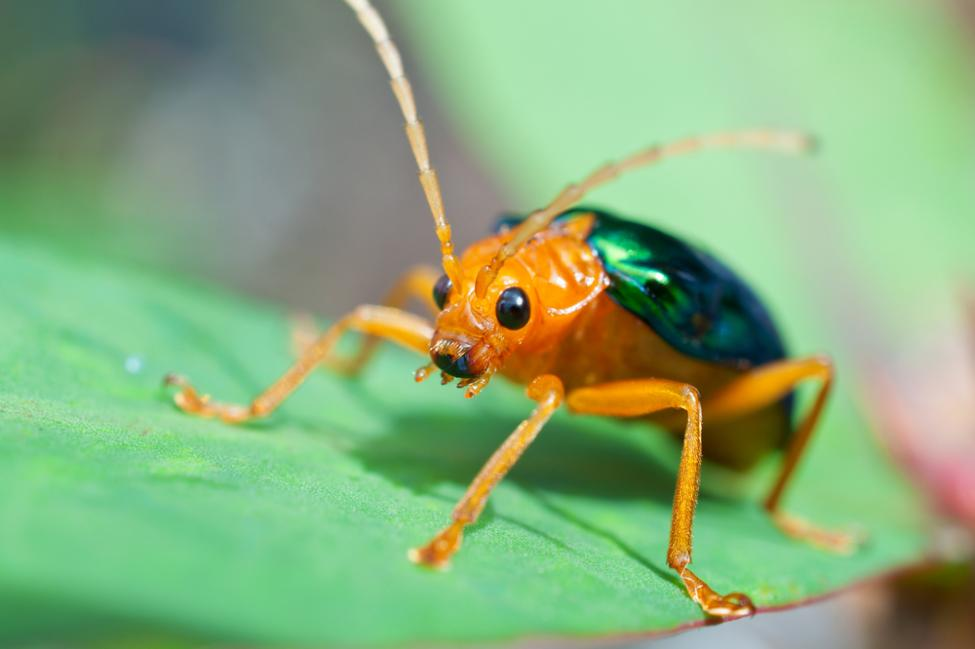
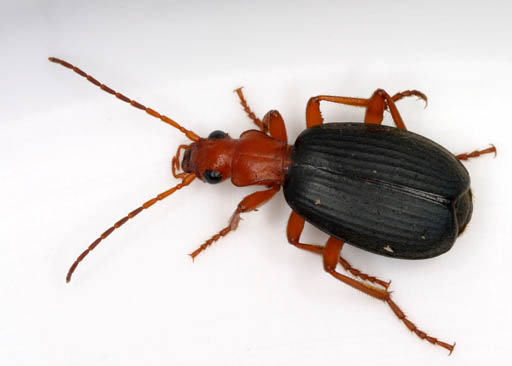
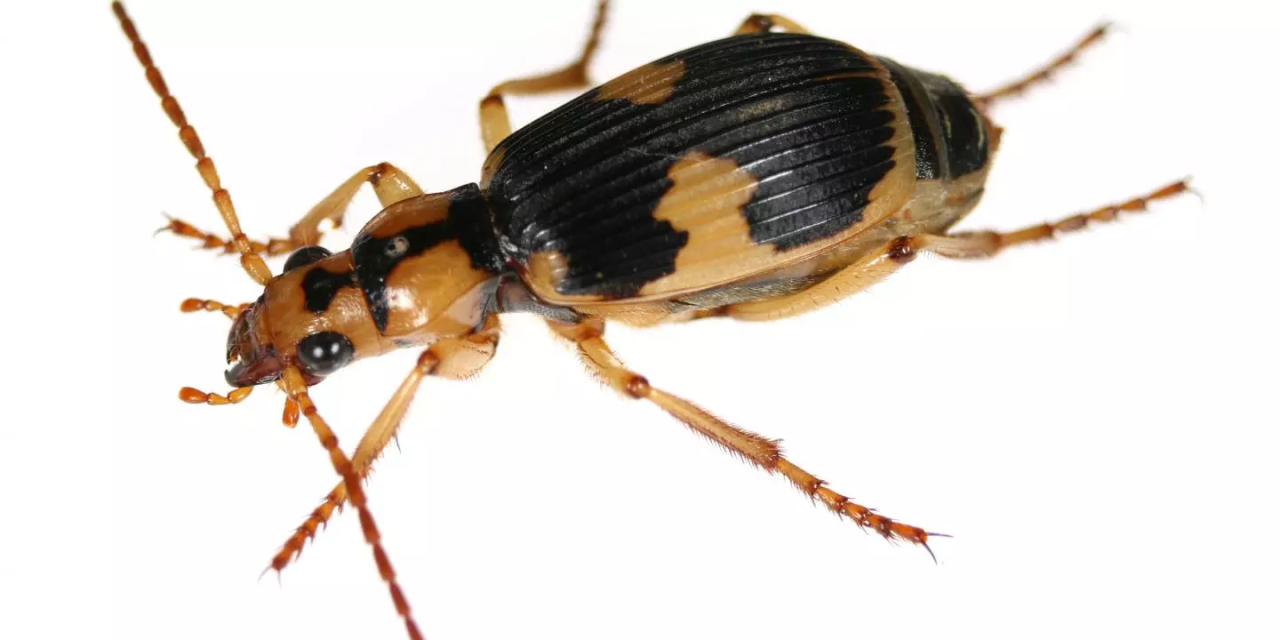
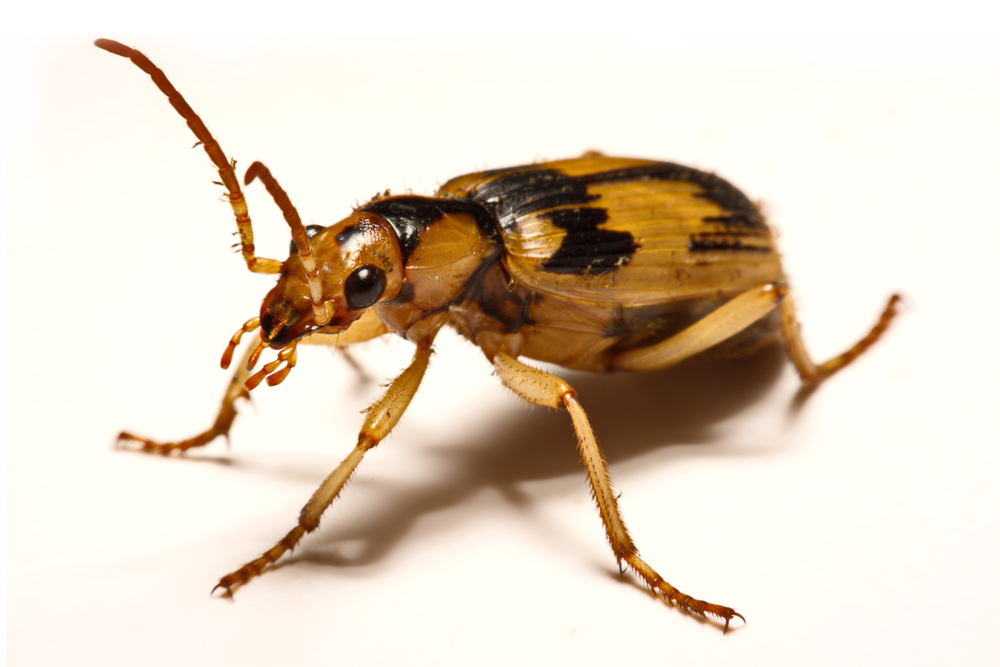
Bombardier Beetles are a type of ground beetle with an 8th-grade spelling bee of a name. they come in a striking array of brown and amber shades, but what’s REALLY striking about them is their signature defense move.
you’ve probably heard of the Bombardier Beetle before, and with good reason! these singular insects have one of the most effective, awesome, and outrageously violent defenses on the planet! and it’s centered around exploding butts. I swear I am not making this up.
if animals had ratings, these guys would be “R” for Excessive Butt Violence
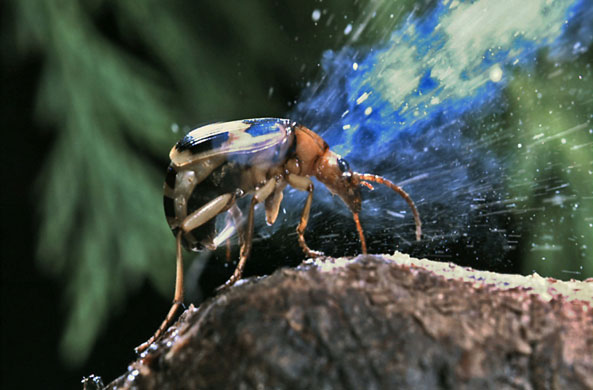
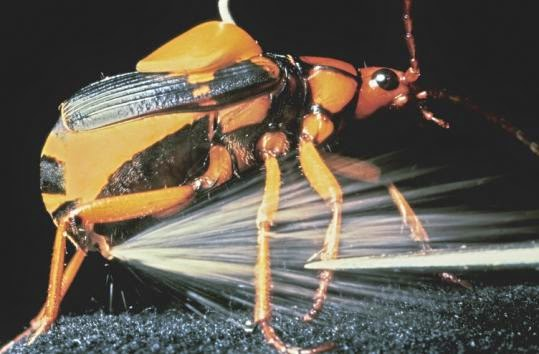
now when I say “exploding butts”, what I actually mean is “they shoot a spray of boiling noxious liquid in a wide arc, injuring or outright killing an attacker. from their butts.” there’s a bit of nuance, there. and while there might not be an actual explosion involved, you have to agree that that’s weird as shit.
but how does a mere insect manage to pull off what’s basically a real-life Pokemon move? well, to explain that, we need to get a little more scientific. brace yourselves, it’s time to learn everything your high school teachers never wanted you to learn about butt chemistry!
high school never taught us the important things we really needed in life, especially if it involved butts.
to start with, Bombardier Beetles are structural marvels with guts set up like an organic version of a rocket engine. no, seriously. they have two chambers deep inside their bodies with a valve connecting them both to a special reaction chamber in their teeny beetle butts. (teeny beetle butts would be a pretty good name for a prog rock group.)
one of these chambers contains hydroquinone, a noxious disgusting compound that many other beetle species use to make themselves taste gross and inedible. (like carrying around a “do not eat me!” sign all day.) but Bombardier Beetles use this chemical for a more creative purpose, because their other chamber contains hydrogen peroxide. which does NOT get along with hydroquinone, and demonstrates this fact with ULTIMATE VIOLENCE.
EXTREMELY DO NOT EAT ME.
when these two chemicals are combined, it results in a violent chemical reaction that creates a) a metric fuckton of heat very quickly, and b) a mildly toxic liquid called benzoquinone. and when something impolite gets all up in the Bombardier Beetle’s face, they open the internal valve to combine the chamber contents and now it’s go time motherfucker.
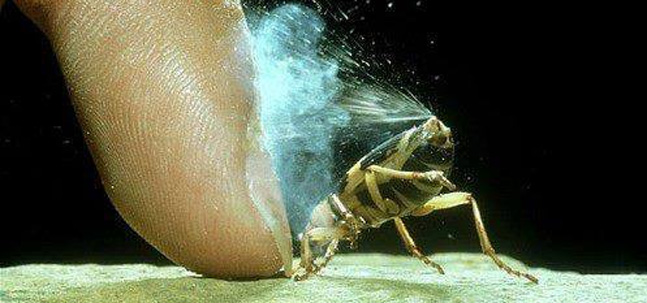
this reaction creates so much heat that it instantly boils the resulting compound. this boiling liquid builds up pressure like the inside of an Instapot, at which point the Bombardier Beetle opens its butt valve and sends a pressurized jet of boiling toxic liquid directly into an attacker’s face with a POP like someone opening the world’s most painful can of soda. and it all happens in just a few milliseconds.
a few milliseconds is a very short time in which to lose your eyebrows.
unsurprisingly, this move is super-effective on every single enemy Mother Nature can field against the Bombardier Beetle. this superhot jet can kill smaller predators on contact and blind or inconvenience larger ones badly enough to scare them off. (this category includes you, by the way. DO NOT TOUCH.)
this elaborate defense is so incredibly unstoppable that the Bombardier Beetle is damn near ubiquitous. there are over 500 different species of them, found on every continent except Antarctica. you may have even seen one today and not realized it!
there are 40 species in the US alone! WATCH OUT.
for all their incredible butt-rocket fury, Bombardier Beetles look… pretty unremarkable. none of them reach even an inch in length, and they tend to inhabit forested and scrubby areas. if you didn’t know exactly what you were looking at, you’d think it was just another itty bitty forest beetle scuttling its unobtrusive way through life. but that just goes to show that Unyielding Butt Destruction can come in very small packages.
but because they are so eeny teeny weeny, Bombardier Beetles really don’t pose much of a threat to humans unless you’re actively harassing one. in which case, cut that out! don’t be an asshole, c’mon. watch where you step though, because the only predator Bombardier Beetles can’t win against is a thick-soled boot.
just don’t hold one directly up to your face.
but being inconspicuous can be a very good thing! because humans rarely interact with Bombardier Beetles, their populations seem to be pretty stable. they’ve lost some habitat, but they’re adaptable enough to make up for it.
Bombardier Beetles will live anywhere that’s damp enough for their eggs to stay moist and babyful, and they have no problems decimating populations of smaller snack-sized insects while warding off any creatures foolish enough to try to munch on THEM. and it’s all thanks to a butt-blasting deathsplosion unequaled in nature. let’s hope these eeny weeny meanies stick around for a long, long time.
Bombardier Beetle, you’re cool enough that I don’t mind typing your terrible name one last time!
–
thanks for reading! you can find the rest of the Weird Biology series on my tumblr here, or check out the official archive at weirdbiology.com!
if you enjoy my work, maybe buy me a coffee and support Weird Biology!
and if you’d like to see exclusive Weird Biology content, check out my Patreon today!
–
IMAGE SOURCES
img1- UPI.com img2- arabiaweather.com img3- Wikipedia img4- Fun Animals Wiki img5- NewsWeek img6- OneKindPlanet img7- rt-bi.nl img8- Discover Magazine
aaaaa I mean I primarily work on beetles for my research, so the natural choice would be Coleoptera for their incredible morphological and ecological diversity
(above: ant nest parasite beetles)
but we both know how insanely good neuropteran larvae are as well….
But there are so many good beasts in Hymeoptera, like dear sweet Megachile bees
or the ever-delightful Cephalotes ants
augh but i also feel the need to champion Diptera because of the general view of flies as boring nuisances
and you know, hemipterans are cool too
but yeah, gun to my head, i gotta go with Coleoptera. can’t beat the beetles
have i mentioned how much i love the ambrosia beetle Cnestus mutilatus? look at them. what an incredibly good shape for a beast to have.
photo credit 1 Jiri Hulcr, 2 & 3 You Li, 4 from this paper about C. mutilatus being so attracted to ethanol they were found burrowing into fucking gas cans bless their hearts
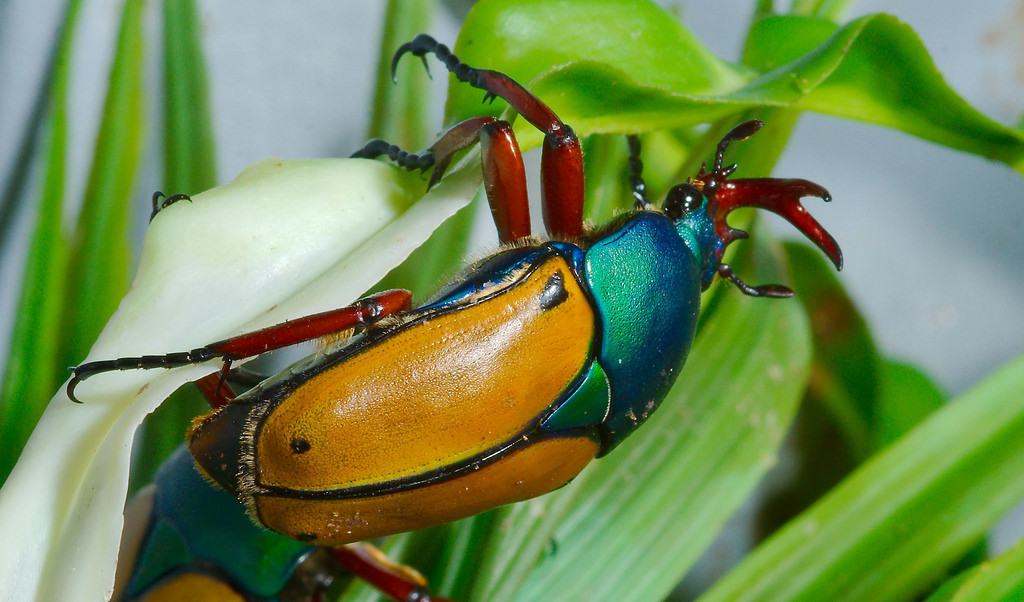
So I rearranged the beetle tank after getting some new plants, and almost every single one of them started playing dead, so I put them in a pile to keep them out of the way as I worked.
They use their heads like shovels and these are pretty powerful little guys ❤️. Sadly, the male didn’t make it, but I’ll be pinning him shortly to make a display later because they’re such beautiful beetles 🙂.
Alright, y’all. Bug nerd here. Yes, this is real. This is Charidotella sexpunctata. It’s able change color like this by filling and emptying its elytra (the wing covers) with water. The mirror-like gold effect is caused by it forcing water into separate layers of its elytra, smoothing them out to the point where they actually reflect light. By drawing the water out, the red pigment beneath is exposed. They do this whenever they’re disturbed as a defense mechanism, likely to mimic foul tasting lady beetles.
Golden tortoise beetles can change color depending on the season or even their mood using the liquid beneath their transparent shell. Underneath the shell are three layers of cuticle, each covered in tiny nooks and crannies that appear smooth when covered with liquid, and reflect light perfectly like a mirror. But when a golden tortoise beetle is agitated or under attack from a predator, it contracts the spaces between the layers of cuticle and forces liquid out of the grooves — doing away with the iridescence and usually revealing a brownish-orange color.
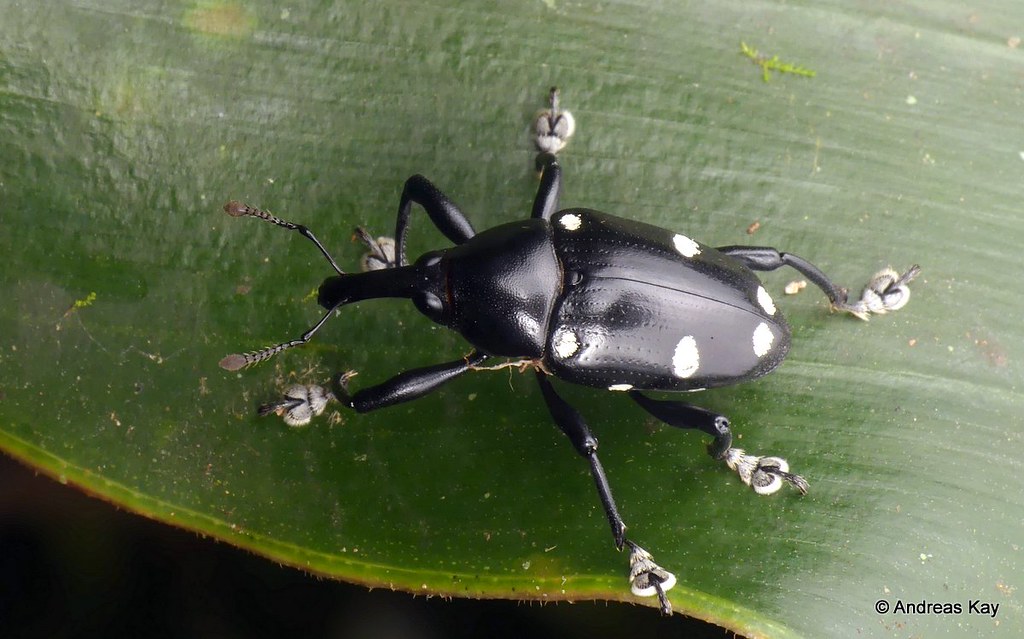 https://embedr.flickr.com/assets/client-code.js






 BettSplendens Tumblr Evac