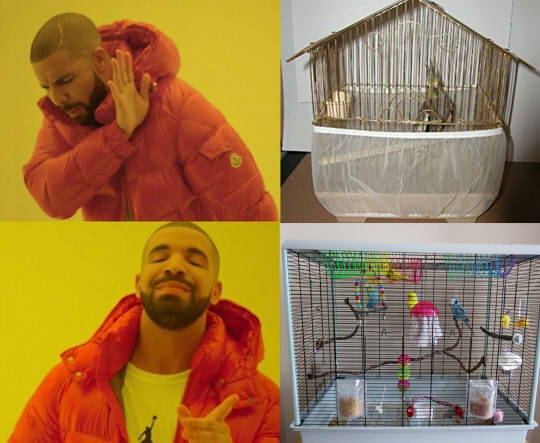
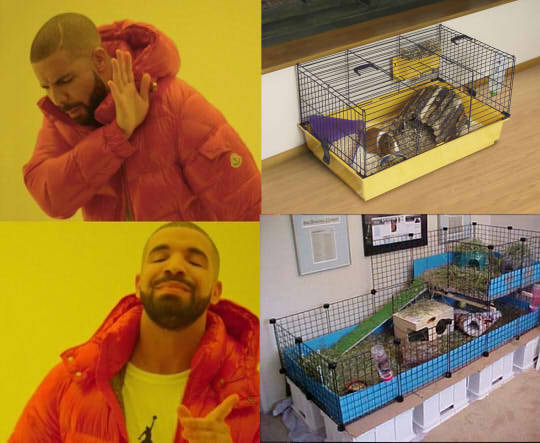
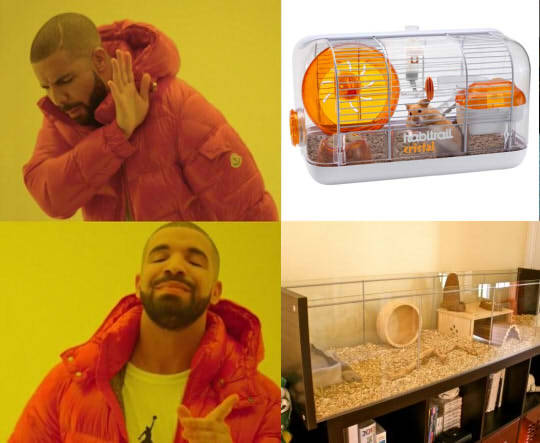
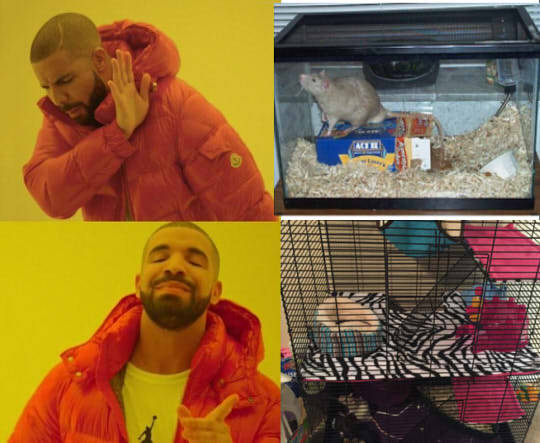
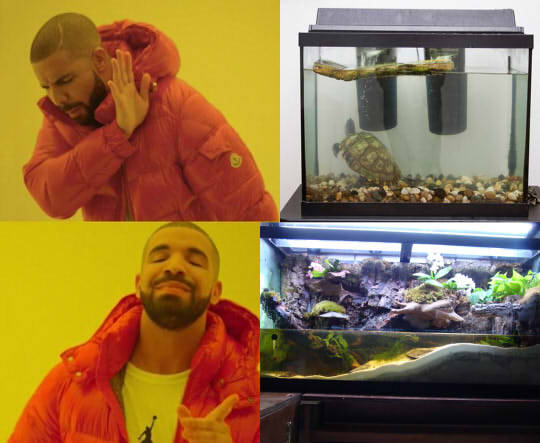
What people thank an animal should be kept in and what the animal actually should be kept in. (click the pictures)
For one about ferrets, rats, mice, hedgehogs, and chinchillas go here.
Not based on personal preference, but observable fact. An animal kept in an environment that is too small is unhappy and stressed. This can absolutely lead to a short miserable life.
I see a lot of people, virtually every day, who have these preconceived notions about what an animal can live in. A hamster lives in a hamster cage of course, because the happy little hamster on the box says so! This cage is for finches, they even keep them in it at the store! My friend had a rabbit and it lived in that cage so I’ll get that one. This sort of dangerous socially accepted neglect is not just limited to bettas and goldfish. Mammals and birds are subject to it as well.
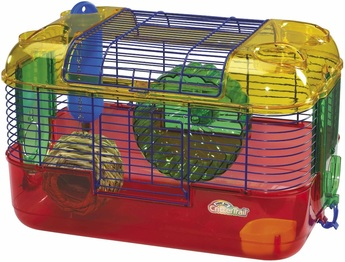
What people don’t realize is that almost all commercial or common cages are completely unacceptable as homes for what they are marketed for. Those guinea pig/rabbit cages? Garbage. Those tiny finch cages? Torture. That cute technicolor hamster cage? A gimmick.
All animals need a certain amount of space for enrichment and general well being. That does not mean the cages someone is trying to sell you. It means the cages that are best.
And to all those people who are thinking “Well I had a hamster in a cage that size and it was fine.”
Stop.
You have only observed your animal. You have only observed the animal in a confined space and most likely showing signs of distress or behavioral problems. But you interpreted it as normal because that is all you know. You haven’t seen rabbits in appropriate sized cages. You haven’t seen parakeets in appropriate cages. You haven’t seen a hamster who is happy.
Signs and symptoms of cruelly confined hamsters. (The same applies to mice, gerbils, and rats):
Biting the cage bars
Obsessive digging
“Laziness” (lack of foraging/exploring)
Aggression
Pacing
Running in circles
Obesity
Signs and symptoms of cruelly confined rabbits:
Biting the cage bars
Running in circles
Bouncing off the cage walls
Aggression, irritability when being held
Cage aggression
Constantly banging toys/decor around
Obesity
“Laziness”
Signs and symptoms of cruelly confined guinea pigs
Biting the cage bars
Banging their water bottle on the side of the enclosure constantly
Aggression tword other guinea pigs or you
Obesity
“Laziness”
Signs and symptoms of cruelly confined parakeets
Feather plucking
Aggression to other parakeets
Pacing
Obesity
Repetitive behaviors (constant singing into a corner, going from the same perch to the same perch over and over again)
Fearfulness
Signs and symptoms of cruelly confined finches
Aggression to other finches
Flight tracing: Going from one perch to another in the exact same spot the exact same way over and over again
Obesity
Animals are more complex than people give them credit for. They to do all of the natural behaviors they’re built to do. Exploring, foraging, playing, hiding, interacting (or not interacting) with another animal, etc. All of this is taken from them in cages like the ones above.
People need to educate themselves about an animal before getting one. It’s a thought that’s been said a million times over and yet nobody actually does it. The reality is people who want a hamster/guinea pig/rabbit are not going to sit down and read ten articles and three books waiting 2 months while they set everything up unless they are alreadyenthusiasts who are willing to put that much into their pets. I can say from experience that over 80% of the people who buy pets buy them to make their kids happy with no regard to what the animal needs. What is most important to them is getting a present for their child regardless of anyconsequences that decision comes with.
So we have to try and get this information out there. We have to try and make THIS the general knowledge about these animals.
Resources and very good reads for anyone who has or wants any of the animals listed here. I’ll add more when I find them.
Edit: But unfortunately I see a lot of hamster supplies in the sources above that are still too small / dangerous and not suitable.
But the pictures are good examples of nicely done cages!
For example the minimum size for a hamster cage should be at the very least 600 – not 360. That’s still very small. But they even mention the German minimum size in it – from diebrain (my source for everything on this blog) and theFeldhamster. That’s damn nice!
I’ve noticed that many of the ratblr related tags are filled with people mistreating and not properly caring for their rats. First of all, I’m not going to sugar coat anything; It’s a sign of a bad pet owner to buy a pet without having done your proper research into what it requires to care for that animal.
Getting pet care information from a pet shop is dangerous and more often then not, the information they give out is just plain wrong, as well as the products they sell that are marketed for “rats” often don’t meet the basic requirements for rats. The people that work at these shops want to make money, and most often they have no prior animal specific training or education. So it is up to you to properly research the care required for rats.
Since I see a lot of people apparently incapable of doing their own research, I’ll be walking through the basic requirements for pet rats. Note that these are only the BASIC requirements, and you should be providing above this.
THE RATS
First of all, you should NEVER ever have only one rat. There is no excuse to housing only one rat (save for temporary medical reasons or behavioral issues). If you only want one pet rat, then I’m sorry rats are not the pet for you! Rats are highly social animals, they require large social groups. Most would suggest having at least TWO pet rats at a time, but to be quite honest I feel that you should have at least THREE rats at one time.
Your rats should also be kept in either female or male groups to avoid unwanted pregnancy and fights. Unless the rats are desexed, in that case mixed groups of rats do really well together. There’s both pros and cons to having either female or male rats, that you should take into consideration.
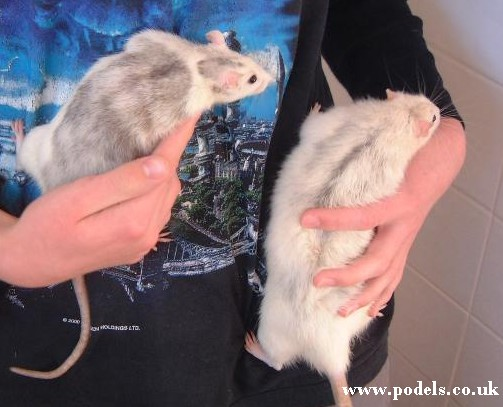
Male rats tend to grow MUCH larger, so keep that in mind. The rat on the left is female and the rat on the right is a male.
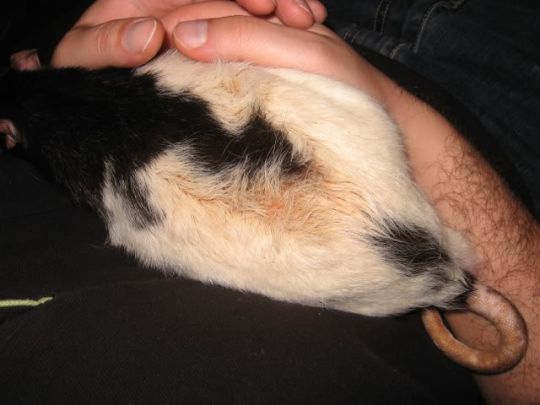
Male rats also tend to be much more lazy and cuddly, and will spend some of their time napping and eating. They secrete buck grease (orange-y in appearance, as shown below) that can often cause their backs to be oily due to their levels of testosterone.
Female rats are much more “active.” They tend to want to run around, play and explore a whole lot more then male rats do. They’re also a lot smaller then the males (and minus the huge balls that male rats have. If you don’t like the idea of huge naked rat balls dragging over you, you may want female rats instead). They also go into heat often, so will get a little rowdy; mostly this just includes lots of humping between the cage mates. (if your female rats are humping each other don’t worry. It’s normal and there’s nothing you can do to stop it. And you shouldn’t aim to stop normal, healthy, behaviours if it’s not hurting the pet).
Also keep in mind that your pet rats need to be handled daily, and let out of their cage for a run around / social time with you. So you’ll need an area that is safe for your rats to free roam (under supervision). This means, making sure there isn’t anything they can chew through (wires, clothes, shoes), escape from, or get into, that you don’t want them to.
CAGE
Okay this is the biggest issue I see people have with their pets. So this is going to be a long one, so buckle down.
SIZE
Firstly, the size of the cage. Those cages that pet shops market as “rat” cages are not at all suitable for rats.
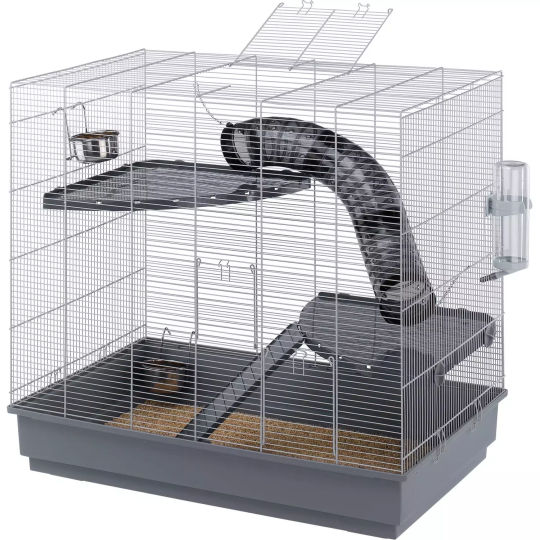
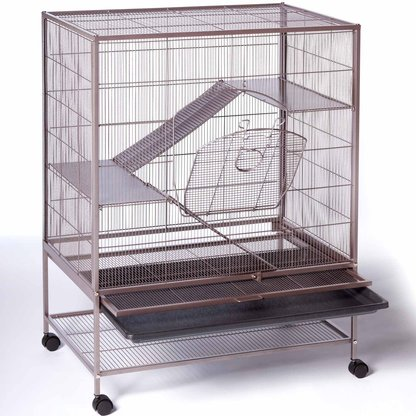
These cages are not at all big enough for rats. The rule of thumb is that each rat requires 2 cubic feet per rat. This rat cage calculator is a great tool, where you can either put the dimensions of a cage or the number of rats you have, and it’ll calculate their how many rats you can fit into that cage, or the size cage required.
Rats need a lot of space! A rat cage like this one (below) can only fit two rats.
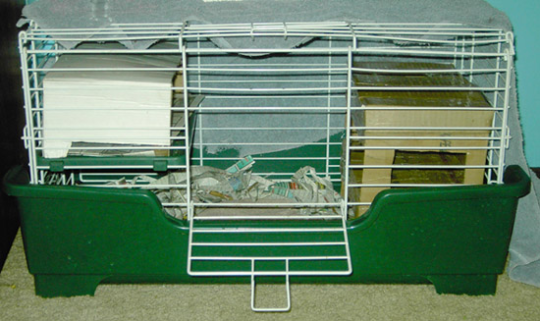
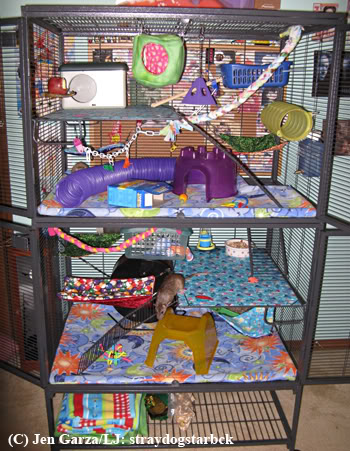
This cage could probably only fit about 4-5 rats
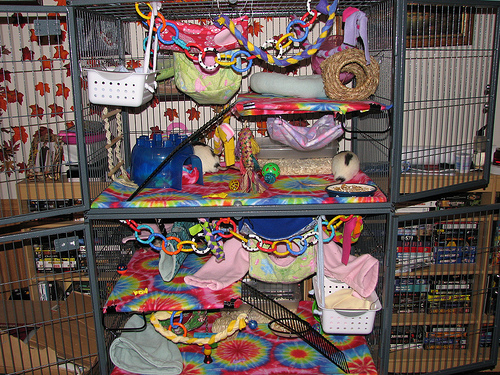
While a large cage like this one (below) could fit up to 6-7 rats!
TYPE – wire, plastic, glass?
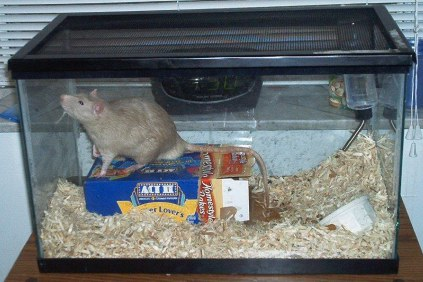
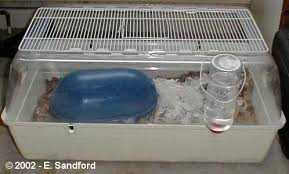
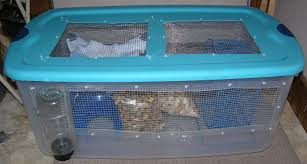
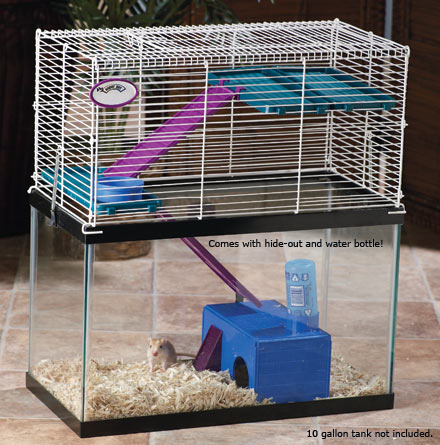
Rats should be kept in wire cages. Glass and plastic tanks / cages (shown below) are all bad enclosures (for a whole number of reasons but we’ll focus on the type for now).
Glass and plastic tanks don’t have enough ventilation and can result in a build up of ammonia (from urine), smell and temperature. Not only that but they don’t offer the rats any way to climb (as well as all of these being too low in the first place).
Rats like to climb, and wire cages offer them the ability to do this, as well as having better air flow and less risk of them chewing through the cage and escaping.
SUBSTRATE
This is another big one, that I see people not doing correctly. Rats are very prone to respiratory infections and this tends to mostly be caused by the type of substrate used in their cage. The above photos all use wood shavings / straw as a substrate. Wood shavings are terrible for rats, they are filled with dust, mites, parasites, they don’t really help soak up urine and they tend to make the smell worse.
Some alternatives include covering the floor with fabric, that can be washed. This in my opinion isn’t the best, as they tend to get really dirty within the first few hours after cleaning the cage. They’re also not fun to wash.
Another opinion is paper kitty litter (like the one below). It’s good for soaking up urine and helps a lot with smell in general.
I personally use newspapers to line the cages. My rats also like to rip it up and use it as bedding for their nests and it’s cheap and easily available.
COVERING PLATFORMS
Another huge thing I see rat owners do is have uncovered wired platforms. You need to cover all the platforms that are not solid (aka wired). These can be covered in fabric (again I tend not to use fabric anymore personally, as they get dirty quickly and my rats loved to chew the hell out of it), paper, or some sort of plastic covering (though you need to make sure your rats aren’t chewing the plastic, in case they swallow any).
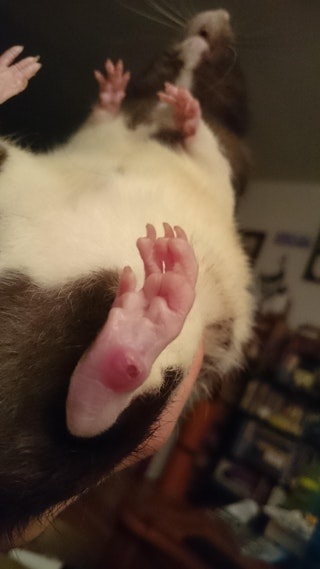
If wired platforms aren’t covered, your rats will have a good chance of developing bumblefoot; a painful condition caused by the inflammation and/or infection of the surface and connective tissue of the feet (as shown below).
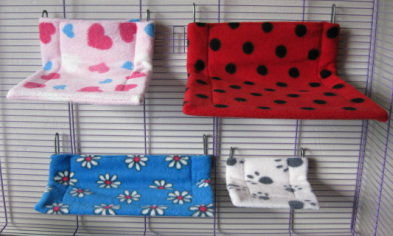
TOYS, BEDS AND HAMMOCKS
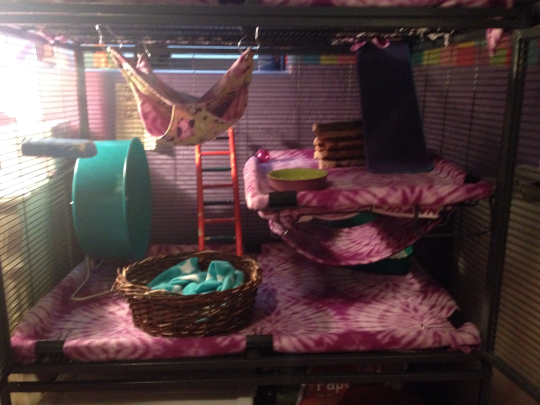
Again, most of the photos shown in rat related tags have pretty bare cages. You cannot put a few platforms, one hammock, water bottles and a food dish in a cage and call it a day. That’s lazy and bad pet care.
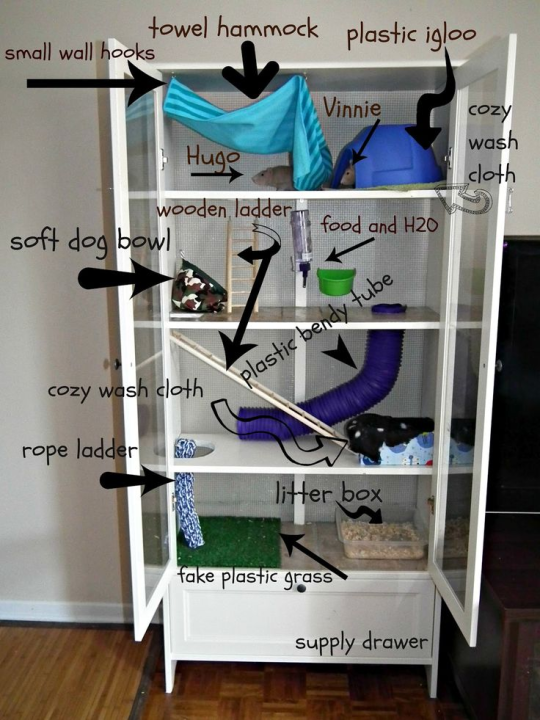
Rats require lots and lots of toys, beds, hammocks, places to hide / sleep / nest and chew / destroy. (as well as litter boxes if you’d like to litter train your rats, which I suggest you do. It’ll make cleaning easier).
All the above cages are really good examples of cage set up’s that rats require. And no these cages aren’t “over the top”, these cages are the basic requirements for rats. if you can’t provide these sorts of set ups, then pet rats aren’t for you.
HYGIENE
Rats can be destructive. They’ll like to tear things up and chew through everything, flick food everywhere and pee on literally every part of their cage, including their cage mates. So you need to be cleaning their cage out at least once a week but ideally twice a week, depending on how messy the cage gets.
The rats themselves don’t really require much bathing. Rats themselves are actually pretty clean, and spend a lot of time grooming themselves and each other. However they will pee on each other and they can get dirty (especially males with lots of buck grease). You shouldn’t really be washing them any more then monthly. When washing rats, use only a tiny bit of something like baby shampoo, and make sure that you don’t get their ears wet, as it can lead to ear infections.
FOOD
Feeding rats can be quite expensive. They require high quality specific rodent feed / lab blocks (low quality feed will have fillers like corn, which aren’t that great for your rats, and are often pretty dusty which can cause respiratory infections). On top of the feed, they require (often daily) fresh veggies, fruit, protein (eggs are a good source. And it’s fun watching your rats eat their way through a hard boiled egg) and carbs (such as pasta).
Male rats cannot be fed any sort of
citrus fruit; it’s bad for their health in the long term, often leading to cancer or UTI’s.
ILLNESS AND DISEASE
Rats and really prone to disease and illness. Most commonly respiratory infections, cancer, tumours, UTI’s, bumblefoot. They will require trips to the vet, so if you cannot afford to take your pet to the vet; and this often means a specialised small animal vet (as not every vet will be able / have experience with rats) then you should not have or be considering getting a, pet.
EXPENSES AND MONEY
Lastly I want to get mention expenses and money. Most people will use the excuse of not taking their rat to the vet because of lack of money, their parents won’t let them, ect.
I’m going to be brutally honest. You shouldn’t have a pet then. This obviously doesn’t include people going through sudden financial crisis or are hit with a sudden very expensive vet bill, ect.
But if you cannot afford to buy a cage, toys, proper food, equipment, and vet bills to provide your pet rats with their basic care, then you aren’t ready to have a pet and you shouldn’t have one. To buy a pet, when you know you are unable to properly provide it with care, is selfish.
I’m adding to this because y’all gonna learn some shit about housing your pets.
Someone make more I love this new meme.
Ok but consider this; I adopted my rabbit from an abusive owner that would’ve eaten him at a flea market, and for the first two years of his life I only had a small cage for him (about the size of the first photo the guinea pig is in). He was fine and happy and about a year ago I was able to get him a really huge cage where he could run all he wanted. “If you can’t afford an animal don’t get it” He never suffered, he was happy, he just didn’t live in massive luxury. Not everybody can afford Pet Mansions, but we can still give them decent lifestyles and that’s okay 🤷🏽♀️
☝️☝️☝️☝️☝️
Give me money and space to get a fancy ass cage for my hamster and then we’ll talk My hamsters’ cages weren’t huge but they lived good lives.
These aren’t fucking pet mansions. These are bare minimum requirements.
And how others have said, the ‘good’ bird cage the other person chose to put on my post is still not big enough for those bird species.
Stop fuckin’ anthropomorphizing your pets, placing your feelings upon them that they were happy and fine, and either ask for money (which I ended up doing, for my betta fish, one is now in a 20 gallon long because of $100 donated by friends and strangers) or find somewhere to fuckin’ rehome them.
God the fact that y’all think any of those cages and tanks are FINE is absolutely fuckin’ sickening. And I REALLY fuckin’ have the urge to block all of y’all from my fucking post so I don’t have to see y’all moaning and complaining about being poor being a good reason to abuse an animal.
Cause newsflash, I’m poor, I asked for money for my pets and got it, the very fucking same thing you are sarcastically adding to my god damn post.
Like @lucifersass has said. The above are the bare requirements for those pets. Those cages / tanks are all way to small for any of those pets, and barely have any toys / bedding / ect in them.
As a animal scientist I could rant over each single one of these animals in great detail about why those set ups are so horrible.
But since I’ve had pet rats for over 2 years I’ll focus on them, as an example of why the first above set up for the singular rat, by all grounds should be classified as animal cruelty.
First of all the size of the cage: rats require at least two cubic feet per rat. Small cages allow for ammonia from waste to build up, as well as increase risks of obesity, respiratory infections as well as causing rats (especially in intact males) to fight.
The height of the cage: the height is way to low. The rat barely has enough room to stand / sit upright. Rats need room to climb. They like to be up high, off the ground. This tank gives that rat no opinion to climb
Little to no ventilation: glass aquariums or plastic cages (such as above) are not suitable. They don’t allow dust and ammonia to escape, keeping it trapped in the “cage” which is horrible for a rat’s sensitive respiratory system.
The substrate: wood / pine shavings are bad for the same issues above. They contain dust and wood particles which will make your rat sick, as well as doing a horrible job of absorbing your rat’s waste
Lack of bed / toys: there is only one fucking box in that tank. Only ONE. Rats need hammocks, platforms on multiple levels (that are covered if they are wire, otherwise it’ll case bumblefoot (ulcerative pododermatitis). As well as toys to chew on, in order to wear down their teeth, as they are constantly growing. If they have nothing to chew on, the teeth can over grow making it impossible for the rat to eat or drink
number of rats: THIS IS ONE OF THE BIGGEST ISSUES about that set up. YOU CANNOT HAVE ONE RAT BY ITSELF (obviously there are exceptions but as a rule of thumb). You need at least two rats, though a group is better, because rats are extremely social animals. And no it doesn’t matter if you’re “home all the time!” or will be able to “play with it all the time / daily!” Rats. Are. Social. Animals.
If you keep your rat/s or any of the other animals as shown in the first photo. You are abusing an animal. It is animal cruelty. Full stop. If you cannot provide the bear minimal needs for a pet, you should not have that pet.





 BettSplendens Tumblr Evac