Shrimp are a ubiquitous part of the aquarium trade. It seems most every keeper has a colony somewhere, from casual hobbyists with red cherries cohabiting with their bettas, to hardcore shrimp breeders with racks and racks of color varieties.
However, it’s important to remember that shrimp have their own specific requirements in the aquarium and can’t just be tossed into any tank. While shrimp are wonderful inverts and great pets, care must be taken to set up tanks appropriate to their needs!
Keep reading to see some brief overviews of the most common aquarium shrimp, with links to more in depth guides. Please note there may be some disagreement within the shrimp hobby on exact pH, temperature, etc ranges and this post is merely a starting point. Please do not treat it as an extensive care guide, because it isn’t.
Ghost / Glass Shrimp Paleomonetes sp Size: no more than 2 inches Feeding: omnivorous. algae, detritus, leftover fish food, vegetables, shrimp food, etc pH: 6.5-8.0 Temperature: 65-80 kH: 3-15 Minimum Tank Size: 10g Decor: Well planted, some algae, plenty of hiding spots, soft substrate
Opae Ula are very adaptable but do best in brackish water. They’re tiny shrimp with next to no bio-load, they can be happily kept in a tank as small as 2 gallons if you have macroalgae in with them. They also don’t actually need feeding if the tank is lit well enough to grow algae, you only have to start feeding them once the colony grows large enough that they eat all the algae that grows. You have to set up the tank with coral rock at least a month in advance, though, let lots of algae grow before you add the shrimp. I set my 2.5gal tank up in November with coral rock and brackish water, added 10 Opae Ula in December, and they’re breeding now. I love them. They’re cute as little buttons.
These are the guys you see in those doomed “ecosystem” spheres. They only last as long as they do because the shrimp can endure starvation and near-suffocation for months on end.
Be aware that “ghost shrimp” can mean any of easily seven different species, many of which are aggressive towards smaller shrimp and even tiny fish. Whisker shrimp in particular will kill things up to the size of a small neon tetra.

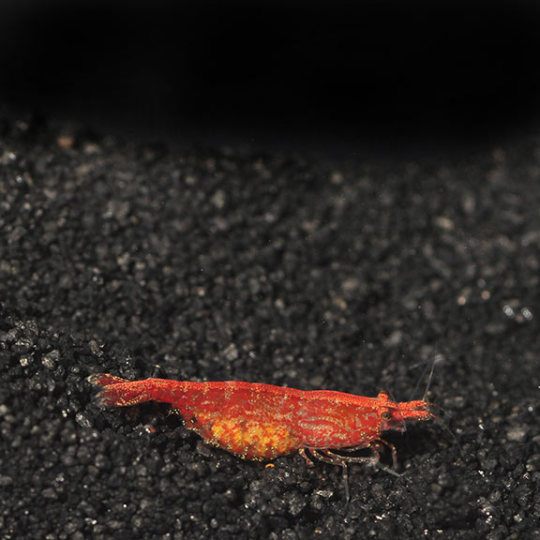
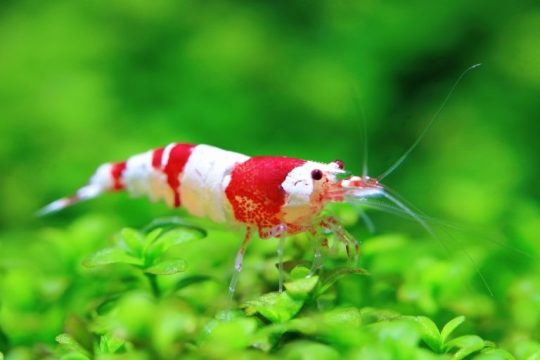


 BettSplendens Tumblr Evac