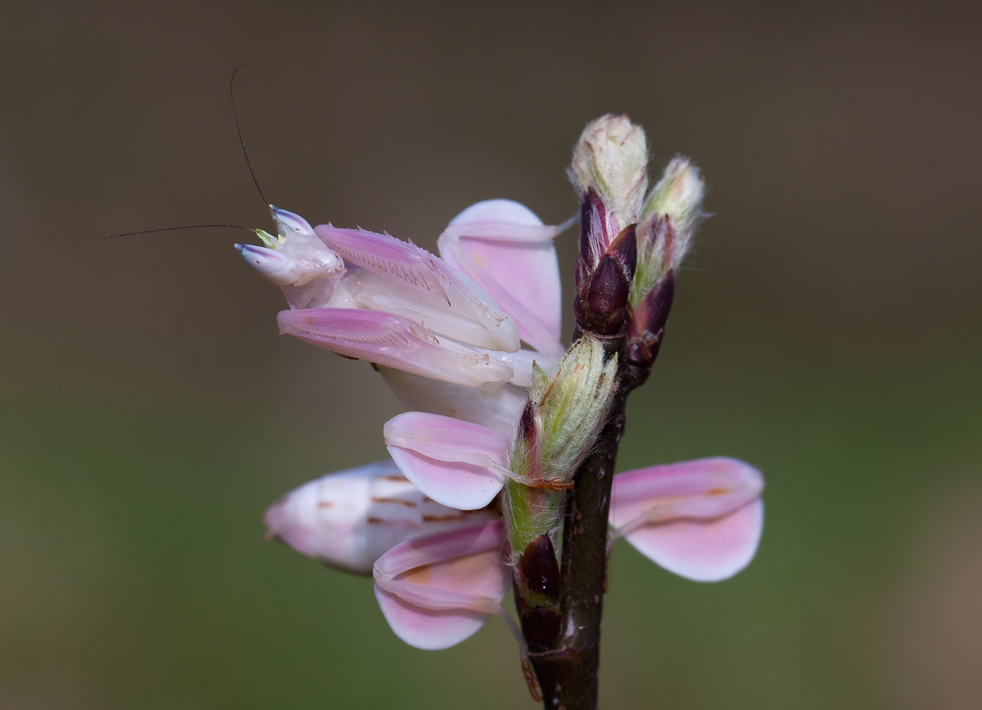
guess what, it’s time for an all-new exciting episode of Weird Biology! today we’re investigating this lovely flower that I just found. it was just sitting innocently on a tree branch and it’s a lovely shade of pink, so I-
hang on, it just moved.
what the fuck. lemme just…
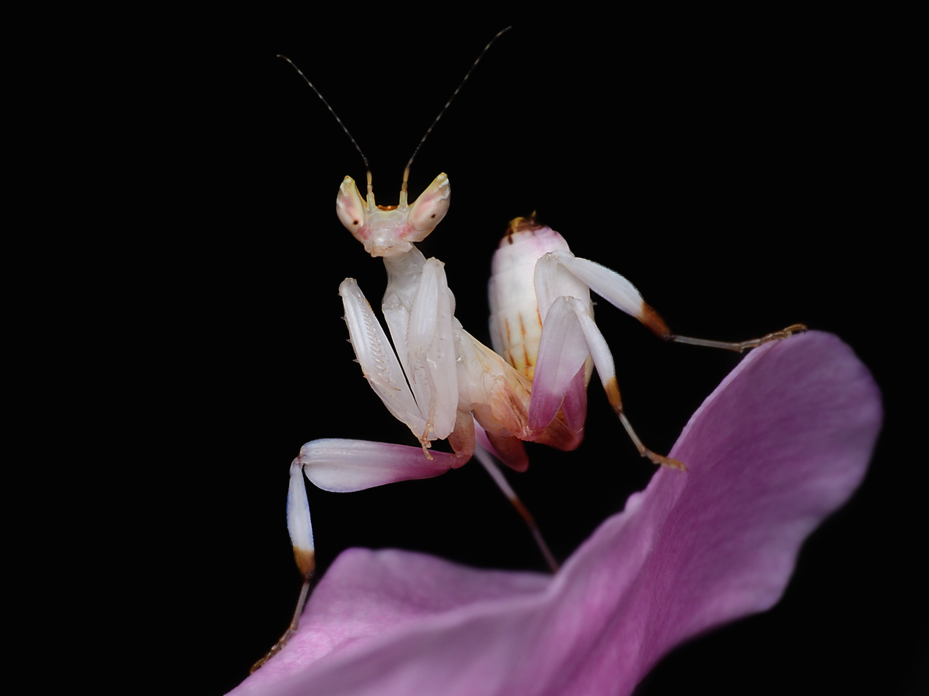
aaand it just stabbed me in the finger. sorry folks, turns out we aren’t dealing with a flower at all! it’s the frilly, fashionable master of disguise,
AHA! IT WAS ME ALL ALONG! STAB!
the first westerner to describe the Orchid Mantis in 1879 (a journalist from Australia) thought he was seeing a moving, carnivorous flower! obviously he was wrong, as flowers absolutely don’t do that! ha ha! (the point is, it’s an easy mistake to make. especially if you’re a journalist from 1879.)
the Orchid Mantis is a perfect flower mimic, with a dazzlingly sinister sense of fashion.
SO sinister.
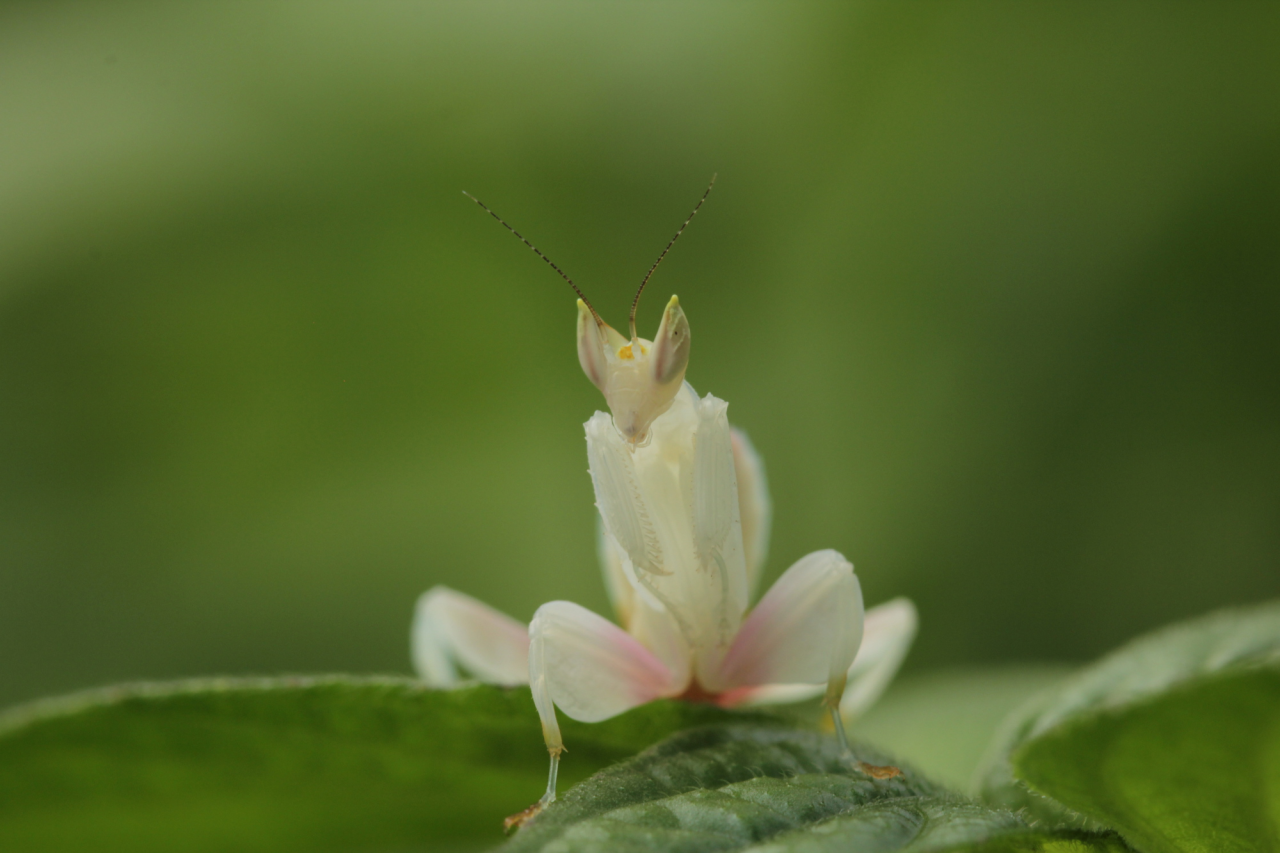
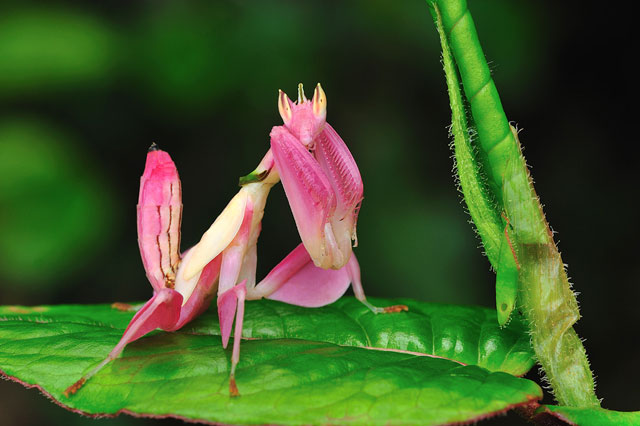
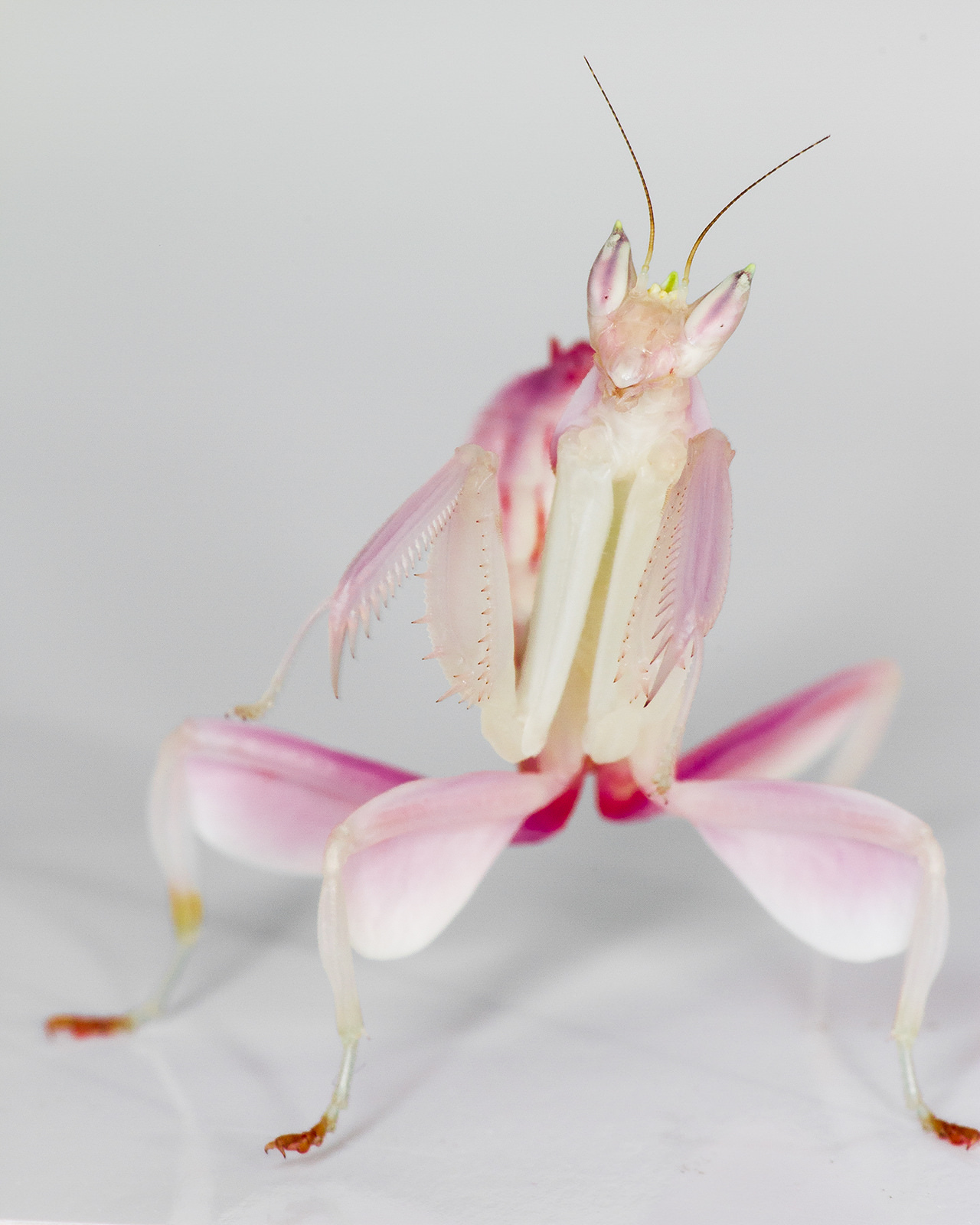
the Orchid Mantis is found in the rainforests of Southeast Asia, from Malaysia to Thailand. they are small and delicate, covered with High Femme pastel frills that conceal their deadly mantid forelegs. (mostly. it’s like seeing the outline of a switchblade under a fancy skirt.)
females grow to be about 3 inches long, while males barely reach half that. they range in color from delicate pinks to lacy purples to eggshell white to that obnoxious pale yellow you only see in Easter decorations.
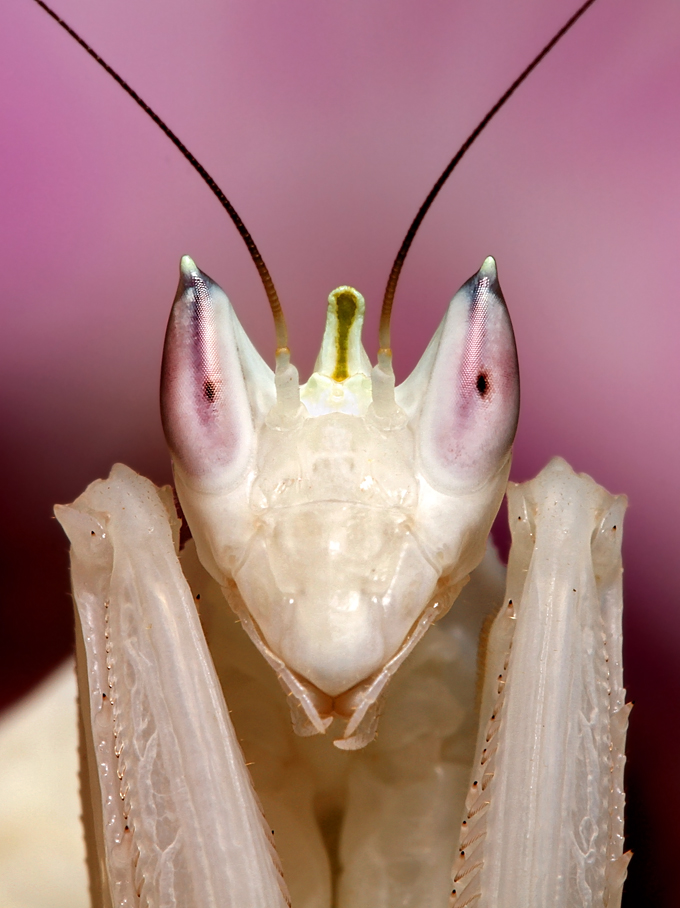
and except for the giant alarming eyeballs, they look exactly like, well. orchids.
THE BETTER TO SEE YOU WITH, MY DEAR.
like all praying mantids, the Orchid Mantis is a carnivore who feasts on the flesh and possibly souls of lesser insects. but with their fantastically flamboyant fashions, how are they supposed to hunt? well, the answer probably won’t surprise you!
because the Orchid Mantis looks so much like a flower, the pollinators come to it. butterflies, bees, moths, you name it. they buzz in, thinking they’ll get a mouthful of nectar and some pollen like good buggy citizens. and what does the Mantis do when these well-meaning helpful friends show up?
why, they prey.
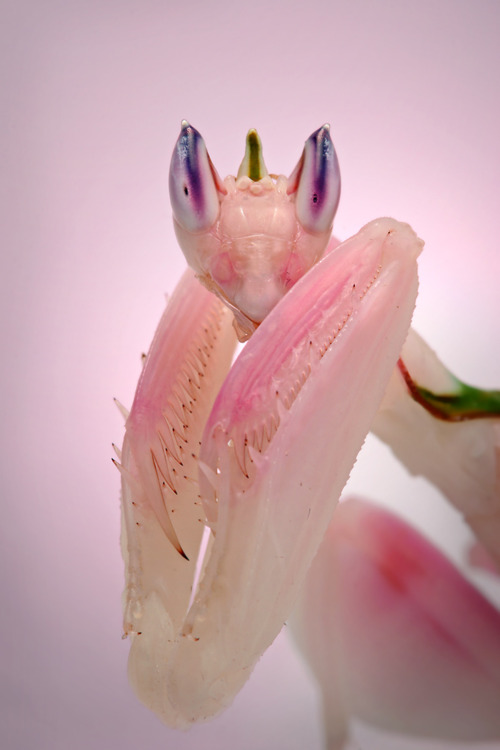
THE BETTER TO STAB YOU WITH, MY DEAR.
also like all praying mantids, the Orchid Mantis worships the silent gods of Slice n’ Dice. when a delicious butterfly or bee bumbles too close, the Mantis promptly stabs the fuck out of it with a lightning-fast strike, and chows down.
in other words, they’re three inches of Death Metal contained under a thin veneer of tea party.
maybe a tea party where the hostess stabs you in the chest.
when they aren’t victimizing kind and helpful insects who only wanted to see a cool flower, the Orchid Mantis goes about the business of continuing the species. since adults only live about 8 months in the wild, this is more of an urgent matter than you would expect.
because Orchid Mantises are pretty rare and not studied often, we’re not actually sure how the deed is done in the wild. (I’M FINE WITH THAT.) if it’s anything like captive breeding programs, most of the dudes just get straight-up eaten. the Orchid Mantis lady is in complete and terrifying control of the situation, and often prefers a snack to the gentle embrace of a lover.
mantids are just kind of like that.
role model?
if the dude mantis is successful in his efforts, the lady mantis will then go off and lay 50-100 eggs clustered on a stem surrounded by a gross protective foam. in 5 to 6 weeks, the baby mantises will emerge and begin eating each other immediately.
(mantises are HARDCORE.)
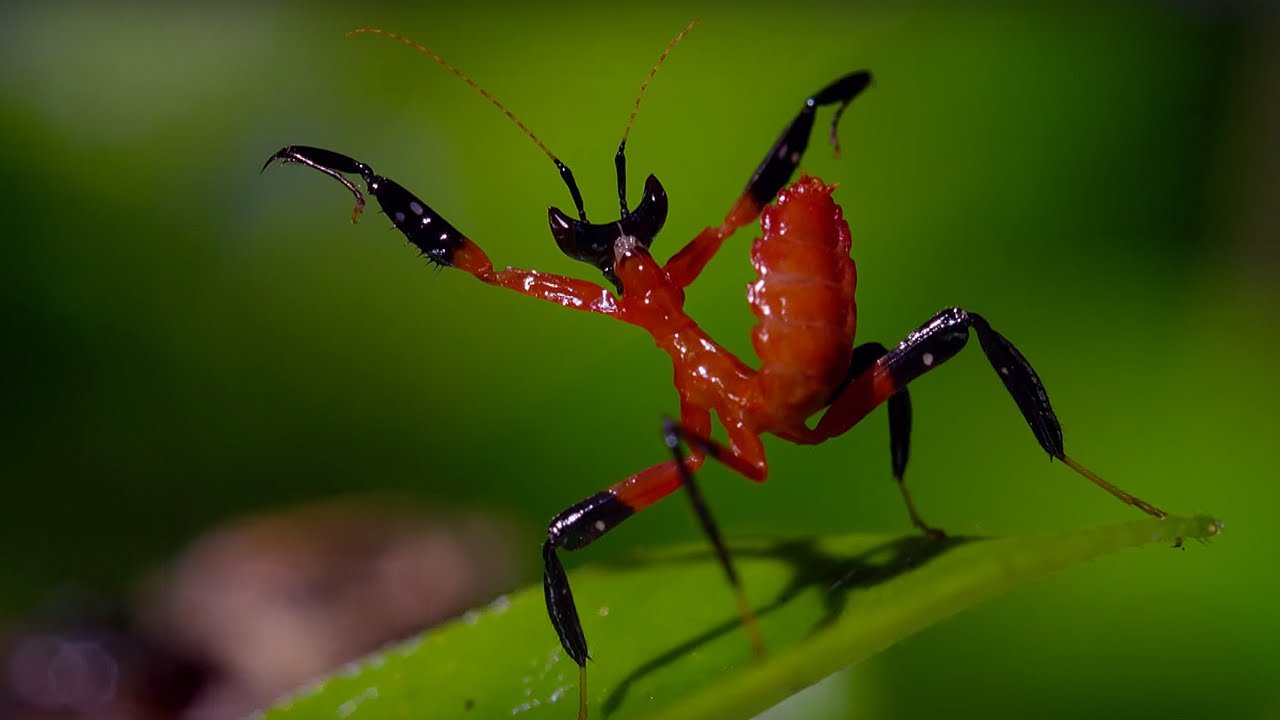
seriously though, the babies (which look like itty-bitty adults) are red and black when they hatch. they disperse rapidly into the underbrush, at least the ones who don’t get cannibalized by a sibling. (that was real. did you think that wasn’t real?)
in a few weeks, the babies will molt and grow out of their Goth phase, emerging in the true High Femme style of their parents.
WE WILL NEVER SLEEP! ‘CAUSE SLEEP IS FOR THE WEAK!
because Orchid Mantises are so rarely seen, we’re not actually sure how they’re doing in the wild. it is believed that they are under threat from habitat destruction, as many of the rain forests they live in are plowed over. these frilly creatures need protection and support if we want them to still lurk stabbily in the wild.
however, the Orchid Mantis is extensively bred in captivity for the pet trade. it is the most popular kind of Mantis in the pet trade (for very good reasons), and its beauty and stabby nature will likely be around for a long time yet.
whether you like it or not.
–
thanks for reading! you can find the rest of the Weird Biology series here.
if you enjoy my work, maybe buy me a coffee or check out my Patreon to see extra content and support Weird Biology.
I love how to my very tired brain this seems like some kind of deep passage about how home is where the heart is and I went “aw”, and scrolled down a good six posts before going “wait fuCKIGN MINUTE.”
Wait a minute, is the plover an actual animal? I always thought this scene was listing plumbers as migratory animals, and I was just like “yeah that checks out, it’s Monty Python after all. Probably a British joke I don’t get.”
Plovers are a migratory shorebird! there are many species of plover, but the Piping Plover is the most famous becuase of it’s ubiquitousness and FUCKING ADORABLE BABIES:
they lay their eggs in the sand, get crazy territorial, and when it’s cold out, they stuff thier babies into thier soft underfluff:
Which results in hilarity like this:
If you go to a beach and little birds with long legs are running back and forth right at the edge of the water, darting after the waves to probe furiously into the sand before running away from the waves, those are probably plovers. They eat little invertebrates that live in the wet sand, and, funnily enough, they can’t actually swim. See their little feets? No webbing. They aren’t waterproof, either, they just make do by avoiding water.
my 20g as of right now! really liking how it turned out
Nice! Love cherry barbs. There’s a few nice males in there.
For those unaware, those are cherry barbs. Much less aggressive than most species of barb, they do well in communities. Most of their chasing is for show, they don’t nip fins or bully. They have the best colors when they have plenty of cover, like here. Those especially bright red ones are males, and that really bright one to the left is probably the dominant male.
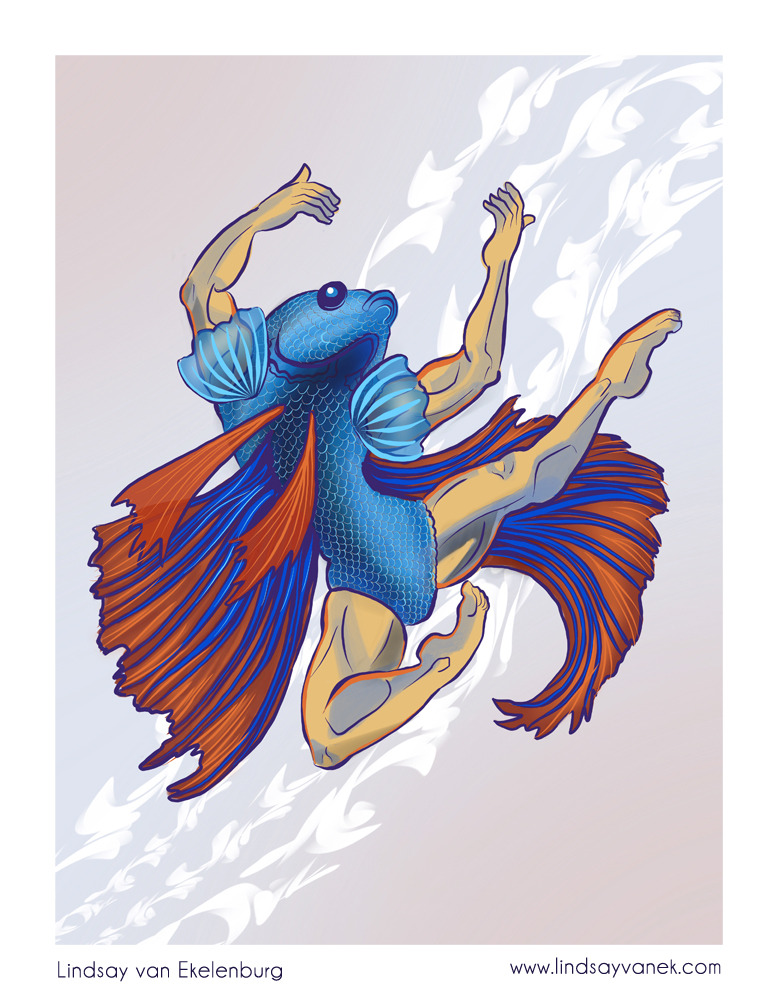
It’s the end of MerMay, and I am super late to the game, so I decided to draw this reverse merman who kinda turned into a ballerina wearing a betta fish costume but whatever, I love my strong and slightly terrifying son.



 BettSplendens Tumblr Evac