thelepidopteragirl:

khrysdiebee:

astronomy-to-zoology:

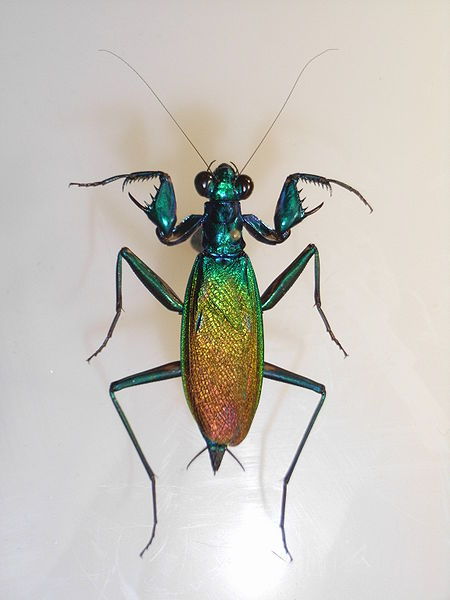
Metallyticus splendidus

…is an extraordinary species of Metallyticid mantis which is spread throughout Southeast Asia. M. splendidus is most well noted for its striking iridescent rainbow coloration and short body, these features are present because M .splendidus is a mimic of the colorful tiger beetles (Cicindelinae).

Classification

Animalia-Arthropoda-Insecta-Mantodea-Metallyticidae-Metallyticus-M, splendidus

Image: Notafly

wow!

OK I thought this was a fake when I first scrolled past, but it’s not and it’s sooo pretty!!!

tinysaurus-rex:

Pro tip: don’t listen to “animal rights” groups that tell you to give ALL of your eggs back to your hens. Too high protein can actually lead to kidney failure amongst other things, especially if you’re already feeding a an appropriate diet. If we gave ALL our eggs back to our chickens it would actually be pretty dangerous and unhealthy.

Flock feed mixes (around 16%-18% protein) should cover all the protein they need to make their eggs, free choice oyster shells takes care of the calcium, sunlight allows proper absorbtion of calcium. Giving them back their eggs doesn’t really benefit them unless their diet already doesn’t contain proper nutrition, in which case you should switch to a different feed instead of trying to supplement with their own eggs.

We always give excessively dirty eggs back to them, usually one a day but sometimes more. I like to mix up a big scrambled egg meal with bird seed and herbs about once a week during seasons where there aren’t many bugs out (early spring, late fall, winter).

And a friendly reminder, of course, that chickens really don’t care about eggs. I’ve had broody hens who were actively setting on a clutch of eggs launch out of her nest to eat an egg I accidentally dropped. My broody hens with chicks will do the same and call their chicks over to eat the eggs. Not all breeds of chickens go broody (want to have babies) and eggs only start developing after several days of incubation.

Chickens don’t know what eggs are, not really. Their instinct tells them what to do when they’re brooding, but you can get broody hens to take golf balls and anything that’s round and roughly the same size. They also learn very fast that the inside is edible if they get the chance. 

I got to hold a bird!

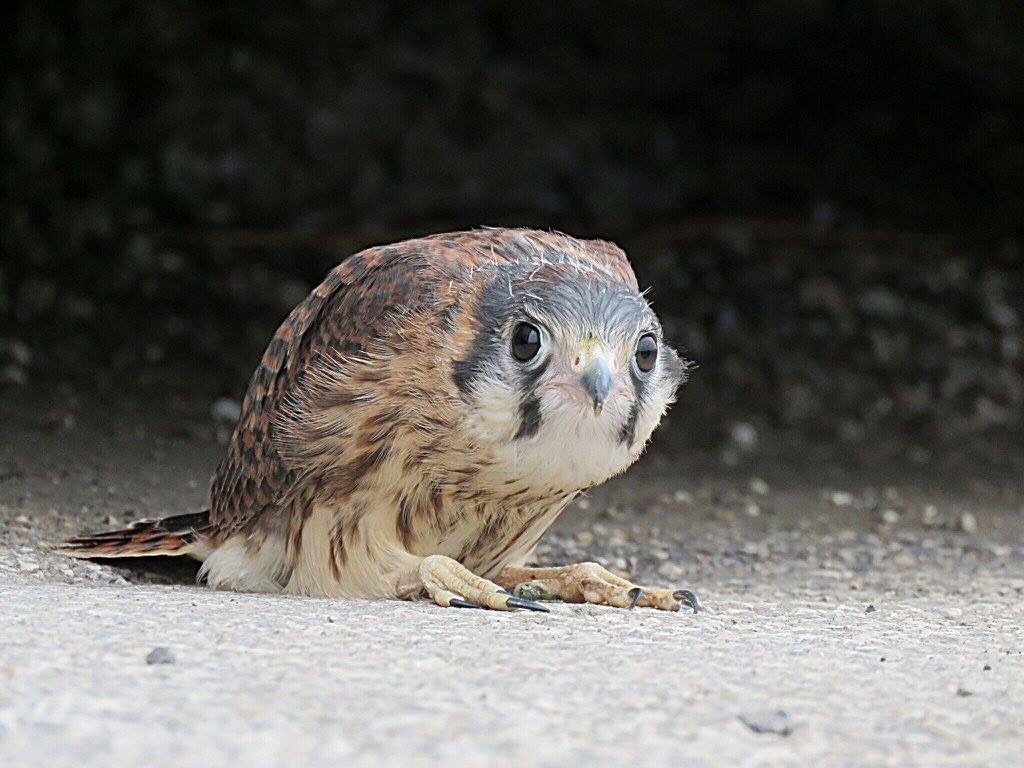
There’s a field sparrow nest inside our garage, and one of the fledgelings got stuck behind a stack of boxes. I pulled out the boxes and caught the little goof so it’d stop fluttering into spiderwebs, and I was trying to take it across the street to a vacant lot full of trees when it wiggled out of my hands and flew itself away. I was intending to get a pic of it, but it flew off before I could.

Tiny! Itty-bitty little thing, couldn’t have been more than a couple of ounces, and fluffy. 

Wondering if you have any info on raising tadpoles in general! Or know of anyone!

amazingpetenclosures:

Everything I’ve ever heard about raising tadpoles has been keeping track of water quality and not feeding them too much… XD Hopefully one of my followers can give you better advice haha

That’s it. Feed them tadpole food or betta (high-protein) food and plenty of veggies and greens, frozen first to make them soft and easy to nibble. Keep the water clean, and give them places they can lean on to have their faces out of the water as they start to grow legs. When the legs get bigger, make sure they can climb out of the water. A sponge filter is good but not mandatory if you keep up on water changes. They shouldn’t need a heater. Throwing some fallen leaves into the tank will grow bacteria and algae for the tads to eat.

For tiny tadpoles like most toads, you can keep several of them per gallon. For larger tadpoles like bullfrogs or leopards, at least 1 gallon per tad, preferably more. Keep an eye on them, they occasionally become cannibalistic, especially if crowded or low on protein. 

When they have all four limbs and are absorbing the tail, they don’t eat. As soon as they’re frogs/toads and that tail is totally gone, they need to eat. You can either give them flightless fruit flies or other small bugs, or release them. Be sure to release them very close to where you collected them.

If you buy a tadpole rather than collecting it, it’s yours. Releasing it risks spreading pathogens, so you better be set up to care for a frog.

Hello! I was wondering if you, or anyone you know, have any recommendations on pet millipede species? I’ve always loved the little guys, but I don’t really know where to start. For relevancy (and the concept of not being allowed to keep invasive species) I live in Oregon, if that would limit options. I wouldn’t be able to keep them anytime super soon, but I want to start my research early so when I someday have the space, I’ll be as prepared/educated as possible in the chosen species.

amazingpetenclosures:

As a part two I guess – I know that yellow spotted millipedes are probably my favorite (so far), because I’m used to seeing them around here natively and I’m not seeing anything on them being illegal to keep (though I would try to avoid wild caught for a number of reasons, including parasites) but I’m not sure if these would be considered a good species to keep for any reasons I might not find on most care sheets. Any and all opinions are very helpful, thank you!

Congrats on soon getting a new pet! And on doing your research, too, I’m glad to see things like this 🙂 My only advice would be to look into what is readily available in your area; go to expos, check out facebook groups and breeders, etc, and start doing more in depth research of those species. If none of those types interest you (which is totally fine!), finding a breeder online and having the animal shipped to you is always an option too. As for what may or may not be allowed, you might have to contact fish and game in your area, or another similar service.

The number one thing to remember with millipedes is to never let them dry out. They always need a source of moisture, and most species need their entire substrate to be varying degrees of moist. 

By and large, they’re easy pets, especially the commonly available ones. You give them a moist, soft substrate, some food, some warmth, and oxygen, and that should do the trick. Get a glass tank to keep them in, it’s easier to use heaters with. Petco has dollar-per-gallon sales, go buy a $10 10gal tank and that’ll fit any millipedes you want. 

I’d suggest setting up a generalized millipede tank, then going to an expo in hopes of picking up something there. AFAIK, you’d just have to adjust the moisture level slightly depending on what millipede you got, you could just do a generic setup in preparation. 

You could also buy a millipede at an expo and keep it in a small container with moist sphagnum moss or paper towels and some food for a few days while you got the tank set up. They aren’t hard to maintain temporarily.